
Nasal irrigation using a neti pot has become a popular method for managing sinus congestion, allergies, and postnasal drip. Advocates praise its ability to flush out mucus, allergens, and irritants from the nasal passages, offering relief without medication. But as more people adopt it into their daily routines, a critical question arises: is it truly safe to use a neti pot every day?
The answer isn’t a simple yes or no. While saline nasal irrigation is generally considered safe and effective when done correctly, daily use introduces potential risks—especially if hygiene, water quality, or underlying health conditions aren't properly managed. Understanding the balance between benefit and risk is essential for anyone considering this practice as part of their wellness routine.
How Nasal Irrigation Works
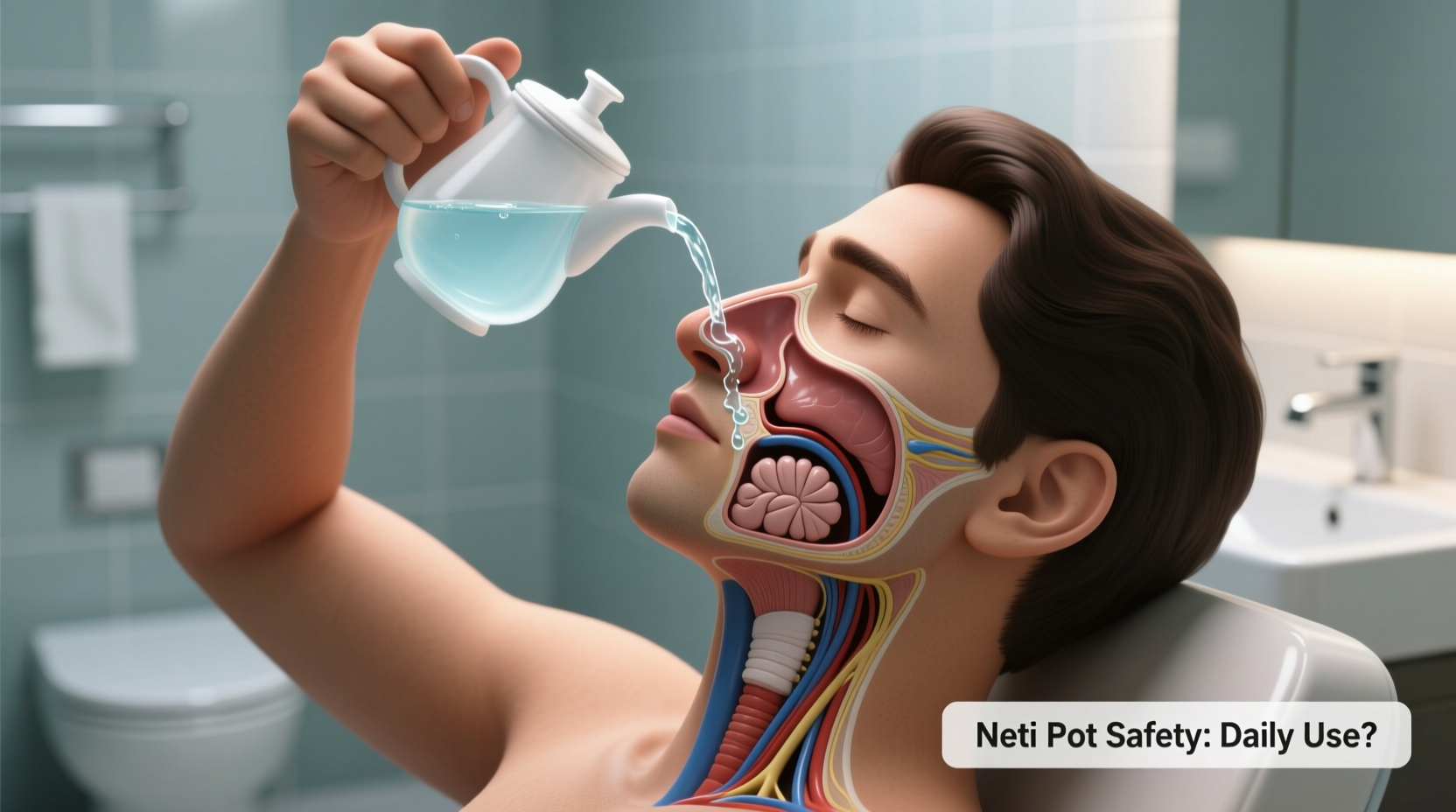
A neti pot resembles a small teapot and is designed to pour a saline solution through one nostril and out the other, rinsing the nasal cavity in the process. The saline solution—typically made from sterile or distilled water mixed with non-iodized salt and sometimes baking soda—helps thin mucus, reduce inflammation, and remove airborne particles like pollen, dust, and pollutants.
This process mimics the body’s natural clearance mechanisms. The nasal passages are lined with tiny hair-like structures called cilia that move mucus toward the throat to be swallowed or expelled. When these pathways become congested due to infection, allergies, or dry air, irrigation can help restore normal function.
According to the American Academy of Allergy, Asthma & Immunology (AAAAI), nasal irrigation can improve symptoms in patients with chronic rhinosinusitis, allergic rhinitis, and upper respiratory infections. However, they emphasize that proper technique and solution preparation are critical to avoid complications.
Benefits of Regular Nasal Irrigation
When used appropriately, nasal irrigation offers several well-documented benefits:
- Reduces sinus pressure and congestion: Clears blocked nasal passages, especially during colds or allergy season.
- Improves breathing: By removing excess mucus and debris, airflow improves significantly.
- Decreases reliance on medications: Many users report reduced need for decongestants or antihistamines.
- Supports recovery after surgery: ENT specialists often recommend irrigation following sinus or nasal procedures.
- Enhances sense of smell: Clearing olfactory pathways can improve smell sensitivity, which may be dulled by congestion.
A 2020 study published in The American Journal of Rhinology & Allergy found that participants who performed nasal irrigation twice weekly experienced fewer sinus infections over a six-month period compared to those who didn’t irrigate. However, the study did not advocate for daily use outside of specific medical guidance.
Risks of Daily Neti Pot Use
While occasional use is widely supported, daily nasal irrigation may disrupt the delicate ecosystem of the nasal mucosa. Overuse can lead to several adverse effects:
- Mucosal irritation: Frequent flushing may strip away protective mucus layers, leaving tissues vulnerable to drying, cracking, and infection.
- Altered microbiome: The nose hosts beneficial bacteria that help defend against pathogens. Excessive irrigation might disturb this balance.
- Salt buildup: Repeated exposure to saline solutions can cause minor crystallization in the nasal passages, leading to discomfort.
- Infection risk from improper hygiene: If the device isn’t cleaned thoroughly after each use, bacteria or fungi can grow and be reintroduced into the nasal cavity.
- Ear pressure or discomfort: Incorrect head positioning or forceful pouring can push fluid into the Eustachian tubes, causing ear fullness or pain.
Perhaps the most serious concern involves water safety. In rare but documented cases, individuals have contracted life-threatening infections such as Naegleria fowleri, a brain-eating amoeba, after using contaminated tap water in their neti pots.
“Using unsterilized tap water in a neti pot bypasses the body’s gastrointestinal defenses and introduces pathogens directly into the nasal cavity—a route that can have fatal consequences.” — Dr. Susan R. Hupp, Professor of Otolaryngology, Washington University School of Medicine
Do’s and Don’ts of Neti Pot Use
| Do’s | Don’ts |
|---|---|
| Use distilled, sterile, or boiled (then cooled) water | Never use untreated tap water |
| Clean the neti pot with hot, soapy water after each use | Don’t share your neti pot with others |
| Replace plastic models every 3–6 months | Don’t leave the device damp between uses |
| Tilt head sideways over sink and breathe through mouth | Don’t force the solution; let gravity do the work |
| Follow recommended frequency based on symptoms | Don’t irrigate more than once daily unless advised by a doctor |
Step-by-Step Guide to Safe Nasal Irrigation
If you choose to use a neti pot, follow this evidence-based protocol to minimize risks:
- Prepare your solution: Mix 1/4 to 1/2 teaspoon of non-iodized salt and optionally 1/4 teaspoon of baking soda into 8 ounces (240 ml) of lukewarm distilled or previously boiled water.
- Fill the neti pot: Pour the solution carefully into the spout.
- Position yourself: Lean over a sink, tilt your head at a 45-degree angle to one side, and place the spout gently into the upper nostril.
- Pour slowly: Allow the solution to flow into the upper nostril and drain out the lower one. Breathe through your mouth throughout.
- Switch sides: After emptying, blow your nose gently, then repeat on the other side.
- Clean the device: Wash the neti pot with hot, soapy water, rinse thoroughly, and allow it to air dry completely on a clean towel.
For best results, perform irrigation before bedtime or after being outdoors in polluted environments. Avoid doing it immediately before lying down to prevent post-drainage discomfort.
Who Should Avoid Daily Use?
Daily nasal irrigation isn’t suitable for everyone. Certain individuals should either avoid it altogether or only use it under medical supervision:
- People with frequent nosebleeds: Irritation from regular flushing may worsen bleeding tendencies.
- Those with eustachian tube dysfunction: Fluid may enter the middle ear, increasing risk of infection.
- Patients post-nasal surgery: Follow surgeon-specific instructions—some healing phases prohibit irrigation.
- Individuals with compromised immune systems: Higher susceptibility to opportunistic infections makes strict hygiene even more critical.
- Children under age 2: Not recommended due to anatomy and inability to coordinate breathing during use.
Even healthy adults should reassess daily use if they experience persistent dryness, burning sensations, or increased nasal discharge after irrigation.
Mini Case Study: When Routine Became Risky
Linda, a 42-year-old teacher from Ohio, began using a neti pot daily during allergy season to manage her seasonal rhinitis. She prepared her saline mix with tap water, believing municipal treatment made it safe. After three weeks of daily use, she developed severe headaches, neck stiffness, and fever. She was hospitalized and diagnosed with meningitis caused by Naegleria fowleri.
Although rare, her case made national news and highlighted a critical gap in public awareness. Linda survived after aggressive treatment but required months of rehabilitation. Her doctors confirmed that the likely source was contaminated tap water introduced via her neti pot.
This tragic example underscores why adherence to safety protocols—not just frequency—is vital. It also illustrates how a seemingly benign self-care habit can turn dangerous without proper knowledge.
Expert Recommendations on Frequency
Medical consensus does not support daily neti pot use for healthy individuals without symptoms. Instead, experts recommend a symptom-driven approach.
Dr. Jordan Krechmer, an otolaryngologist at the University of Pittsburgh Medical Center, advises: “Think of nasal irrigation like brushing your teeth—it’s preventive, but not something you need to do five times a day. For most people, two to three times per week during allergy season or when sick is sufficient.”
The U.S. Food and Drug Administration (FDA) echoes this caution, stating: “Nasal rinsing can be effective, but only when done properly. Overuse or improper use increases the chance of harm.”
Long-term daily users should consult an ENT specialist to evaluate whether continued use is medically justified and to monitor for mucosal changes.
Checklist for Safe and Effective Use
Before each use, ensure you’ve completed the following steps:
- ✅ Used sterile, distilled, or boiled-and-cooled water
- ✅ Measured salt accurately to avoid irritation
- ✅ Cleaned and dried the neti pot since last use
- ✅ Checked expiration date on saline packets (if pre-made)
- ✅ Positioned head correctly and breathed through mouth
- ✅ Disposed of leftover solution (do not store)
- ✅ Scheduled follow-up with doctor if using long-term
Frequently Asked Questions
Can I use my neti pot every day if I have allergies?
While some allergy sufferers find daily relief helpful, most allergists recommend limiting use to every other day or as needed. Continuous daily irrigation may impair the nose’s natural defense system. Consider alternating days or reducing frequency once symptoms improve.
What happens if I accidentally use tap water?
One-time exposure doesn’t guarantee infection, but it increases risk. Monitor for symptoms like headache, fever, nausea, or stiff neck within 1–9 days. Seek immediate medical attention if any develop. Going forward, always use safe water sources.
Are there alternatives to neti pots?
Yes. Saline sprays, squeeze bottles with controlled flow, and battery-powered pulsatile irrigators offer similar benefits with potentially greater ease of use. Some devices are better suited for children or those with difficulty tilting their heads.
Conclusion: Balancing Benefit and Safety
Nasal irrigation with a neti pot can be a powerful tool for managing nasal congestion and improving quality of life—but safety hinges on how, how often, and with what kind of water it’s used. Daily use is not inherently dangerous, but it carries diminishing returns and escalating risks if not medically indicated or performed with precision.
The goal should never be routine for routine’s sake, but rather targeted relief guided by symptoms and professional advice. When practiced responsibly—with sterile water, proper hygiene, and appropriate frequency—nasal irrigation remains a low-cost, drug-free option backed by science. But treating it casually, especially on a daily basis, undermines its benefits and invites preventable complications.




 浙公网安备
33010002000092号
浙公网安备
33010002000092号 浙B2-20120091-4
Comments
No comments yet. Why don't you start the discussion?