
In your 20s, your skin is typically at its healthiest—firm, resilient, and still producing collagen at a steady pace. Yet, this is also the decade when many begin introducing anti-aging ingredients like retinol into their routines. With dermatologists often recommending early intervention and influencers swearing by “preventative aging,” it’s natural to wonder: Is retinol really necessary in your 20s, or can you safely delay until later? The answer isn’t one-size-fits-all, but understanding the science, benefits, and potential drawbacks can help you make an informed decision.
The Science Behind Retinol and Skin Aging
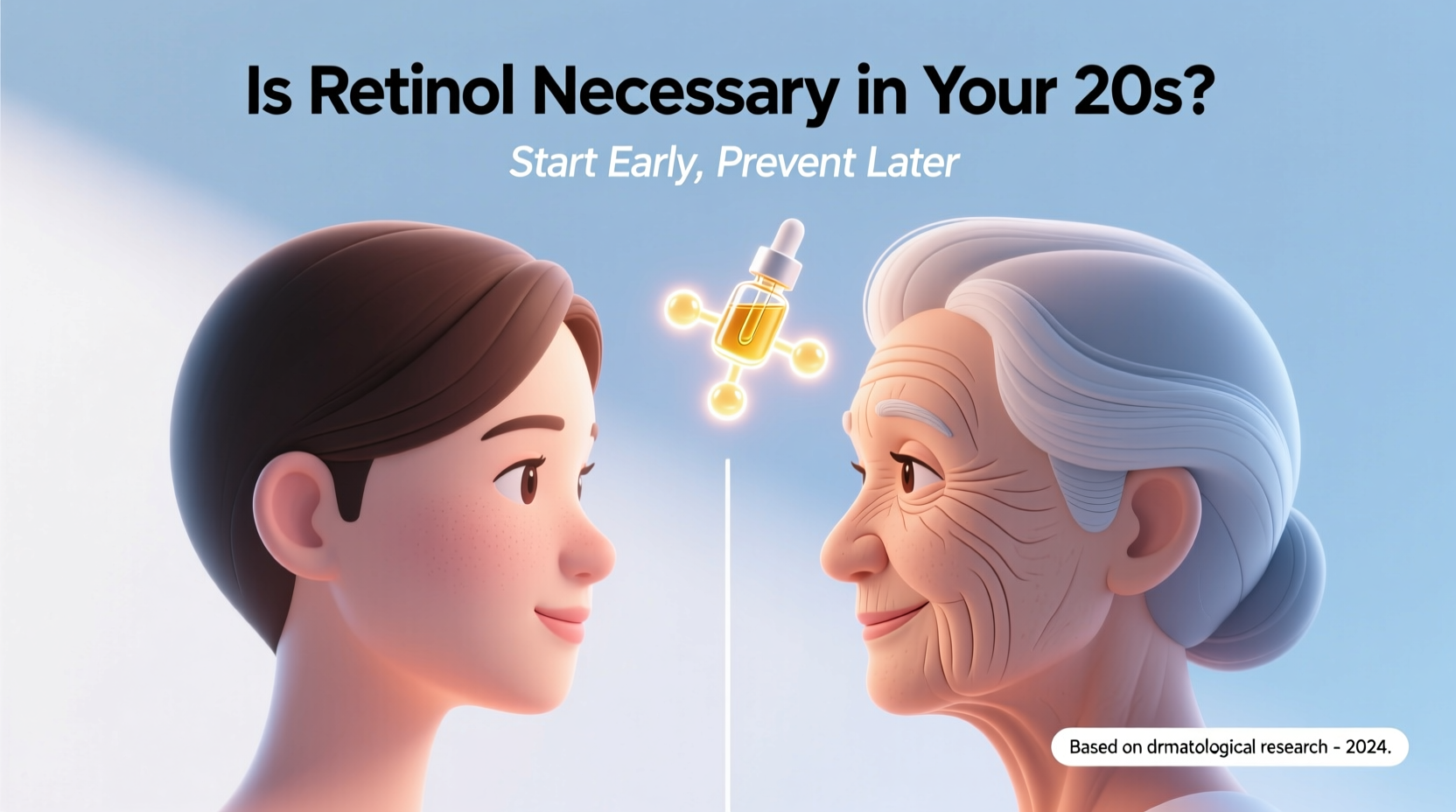
Retinol, a derivative of vitamin A, is one of the most researched skincare ingredients for improving skin texture, reducing fine lines, and increasing cell turnover. It works by binding to retinoic acid receptors in the skin, stimulating collagen production, accelerating exfoliation, and regulating sebum production. These mechanisms are beneficial not only for mature skin but also for younger individuals dealing with acne, uneven tone, or early signs of sun damage.
Starting in your mid-20s, collagen production begins to decline by about 1% per year. Environmental stressors like UV exposure, pollution, and lifestyle factors (such as poor sleep or smoking) accelerate this process. Retinol helps counteract these changes by supporting the skin’s structural integrity before visible signs of aging appear.
“Introducing retinol in your 20s can be a form of ‘pre-emptive maintenance’—not because your skin is failing, but because you’re optimizing its long-term resilience.” — Dr. Lena Patel, Board-Certified Dermatologist
Benefits of Starting Retinol in Your 20s
While retinol is often marketed as an anti-aging powerhouse, its advantages extend beyond wrinkle prevention. For those in their 20s, the benefits include:
- Improved acne control: Retinol unclogs pores and reduces breakouts by preventing dead skin cells from accumulating.
- Brighter, more even complexion: By speeding up cell turnover, retinol fades post-acne marks and evens out discoloration.
- Refined skin texture: Regular use smooths rough patches and minimizes the appearance of enlarged pores.
- Long-term photoprotection: While not a sunscreen, retinol strengthens the dermis, making skin more resistant to future UV damage.
Risks and Downsides of Early Retinol Use
Despite its benefits, retinol isn't without side effects—especially when introduced too aggressively. Common concerns include dryness, peeling, redness, and increased photosensitivity. In your 20s, when skin is already sensitive or prone to hormonal fluctuations, these issues can worsen existing conditions like rosacea or eczema.
Another consideration is overuse. Some individuals believe that “more is better” and apply high-strength retinoids daily, leading to a compromised skin barrier. This can result in increased transepidermal water loss, inflammation, and even accelerated aging due to chronic irritation.
Additionally, retinol is not recommended during pregnancy or breastfeeding due to potential teratogenic effects. If you're planning to conceive, starting retinol now may require discontinuation later, making the timing less strategic.
When Can You Safely Wait?
You don’t have to start retinol in your 20s—especially if your skin is healthy, clear, and showing no signs of premature aging. Delaying retinol use until your 30s is perfectly acceptable and may even be preferable for certain skin types.
Waiting allows you to focus on foundational skincare: consistent sun protection, hydration, and antioxidant support (like vitamin C). These elements are arguably more critical than retinol in early adulthood. As Dr. Amira Hassan, a clinical dermatologist, explains:
“The best anti-aging routine in your 20s is sunscreen every day. No retinol can compensate for cumulative UV damage.” — Dr. Amira Hassan, MD, FAAD
If your primary concern is acne, consider gentler alternatives like bakuchiol or azelaic acid before committing to retinol. These ingredients offer similar benefits with fewer side effects and are compatible with sensitive or reactive skin.
Step-by-Step Guide: How to Decide If Retinol Is Right for You Now
Making the decision to start retinol should be based on individual skin needs, not peer pressure or marketing trends. Follow this timeline to assess whether it's the right move for you:
- Evaluate your current skin concerns: Are you struggling with persistent acne, hyperpigmentation, or rough texture? Or is your skin balanced and blemish-free?
- Assess your sun protection habits: Are you wearing broad-spectrum SPF 30+ daily? Without this, retinol use is counterproductive.
- Test your skin’s tolerance: Introduce a mild exfoliant (like lactic acid) first. If your skin tolerates it well, it may handle retinol.
- Start low and slow: Choose an OTC retinol (not prescription tretinoin) at 0.25% strength. Apply once weekly for two weeks, then increase frequency gradually.
- Monitor for irritation: If redness, flaking, or tightness persists beyond four weeks, pause and rebuild your moisture barrier.
- Reassess after three months: Has your skin improved? Do the benefits outweigh the discomfort? Adjust accordingly.
Alternatives to Retinol for Preventative Skincare
If you're not ready for retinol—or prefer a gentler approach—several evidence-backed alternatives can support skin health in your 20s:
- Bakuchiol: A plant-based compound shown in studies to deliver retinol-like results with less irritation.
- Niacinamide (Vitamin B3): Reduces inflammation, regulates oil, and improves barrier function.
- Peptides: Signal the skin to produce more collagen without causing exfoliation.
- Vitamin C (L-ascorbic acid): A potent antioxidant that brightens skin and protects against environmental damage.
- Alpha Hydroxy Acids (AHAs): Glycolic or lactic acid gently exfoliates and improves tone without targeting deeper dermal layers.
Real-Life Example: Two Paths, One Decade
Consider two women in their mid-20s with different skincare journeys:
Sophia, 26 – Started retinol at 23: After battling hormonal acne since college, Sophia consulted a dermatologist who recommended a gentle retinol serum. She began using it twice a week, paired with a ceramide moisturizer and daily SPF. Within four months, her breakouts decreased, and her skin appeared smoother. Now, three years later, she uses retinol three times a week and reports minimal fine lines despite frequent sun exposure during outdoor activities.
Jamila, 28 – Waiting until her 30s: Jamila has always had balanced, resilient skin. Instead of retinol, she focused on daily sunscreen, double cleansing, and weekly hydrating masks. At 27, she noticed slight dullness and started incorporating a vitamin C serum. She plans to introduce retinol around age 32, when collagen loss becomes more pronounced. Her strategy emphasizes prevention through consistency rather than early intervention.
Both approaches are valid. The key difference lies in personal goals and skin behavior—not age alone.
Retinol Decision Checklist
Use this checklist to determine whether retinol makes sense for your routine now:
- ✅ I wear sunscreen every single day, even when cloudy or indoors near windows.
- ✅ My skin doesn’t react badly to new products or mild exfoliants.
- ✅ I struggle with acne, blackheads, or post-inflammatory marks.
- ✅ I’m willing to commit to a gradual introduction (once a week at first).
- ✅ I’m not pregnant, trying to conceive, or breastfeeding.
- ✅ I have realistic expectations—results take 8–12 weeks.
If you answered “no” to two or more, consider delaying retinol and focusing on foundational care instead.
Comparison Table: Retinol in 20s vs. Waiting Until 30s
| Factor | Start in 20s | Wait Until 30s |
|---|---|---|
| Primary Goal | Prevent early aging, treat acne | Address visible signs of aging |
| Skin Readiness | May require adjustment period | Often more stable baseline |
| Results Timeline | Gradual improvement over months | Faster visible impact on lines/texture |
| Risk of Irritation | Higher if introduced too quickly | Moderate, but easier to manage |
| Alternative Focus | Sunscreen, antioxidants, hydration | Same, plus earlier prep for aging |
Frequently Asked Questions
Can retinol cause premature aging if used too early?
No, retinol does not cause premature aging. However, improper use—such as skipping sunscreen or over-exfoliating—can lead to increased sun sensitivity and barrier damage, which may accelerate aging. When used correctly, retinol supports long-term skin health.
What’s the difference between retinol and tretinoin?
Retinol is an over-the-counter ingredient that must be converted by the skin into active retinoic acid. Tretinoin (also known as Retin-A) is a prescription-strength retinoid that works faster and more aggressively. It’s typically recommended for moderate-to-severe acne or advanced photoaging, not as a first-line option for young adults.
Do I need to use retinol forever once I start?
No. Some people use retinol consistently for years; others take breaks when their skin feels sensitized. You can pause and restart as needed. However, stopping will gradually reverse the benefits, so ongoing use is required to maintain improvements.
Conclusion: Make the Choice That Serves Your Skin
Retinol isn’t a mandatory milestone in your 20s—it’s a tool, not a requirement. Whether you choose to start now or wait depends on your skin’s needs, lifestyle, and long-term goals. What matters most is building a sustainable, science-backed routine grounded in sun protection, consistency, and self-awareness.
If you decide to try retinol, do so mindfully: begin slowly, pair it with soothing ingredients, and never skip sunscreen. If you choose to wait, invest in prevention through antioxidants, hydration, and healthy habits. Both paths can lead to radiant, resilient skin for decades to come.




 浙公网安备
33010002000092号
浙公网安备
33010002000092号 浙B2-20120091-4
Comments
No comments yet. Why don't you start the discussion?