
Sleep is a delicate balance of biological rhythms, environmental cues, and sensory input. In recent years, white noise has gained popularity as a tool to improve sleep quality—especially in noisy urban environments or households with irregular soundscapes. From smartphone apps to dedicated machines, millions use white noise to fall asleep faster and stay asleep longer. But does it truly support deep sleep, or could it inadvertently interfere with the brain’s natural sleep architecture? The answer isn’t binary; it depends on individual needs, usage patterns, and the type of sound used.
This article explores the science behind white noise and sleep, examines its impact on deep sleep stages and circadian rhythms, and provides actionable guidance for using sound effectively—without unintended consequences.
How White Noise Works in Sleep Regulation
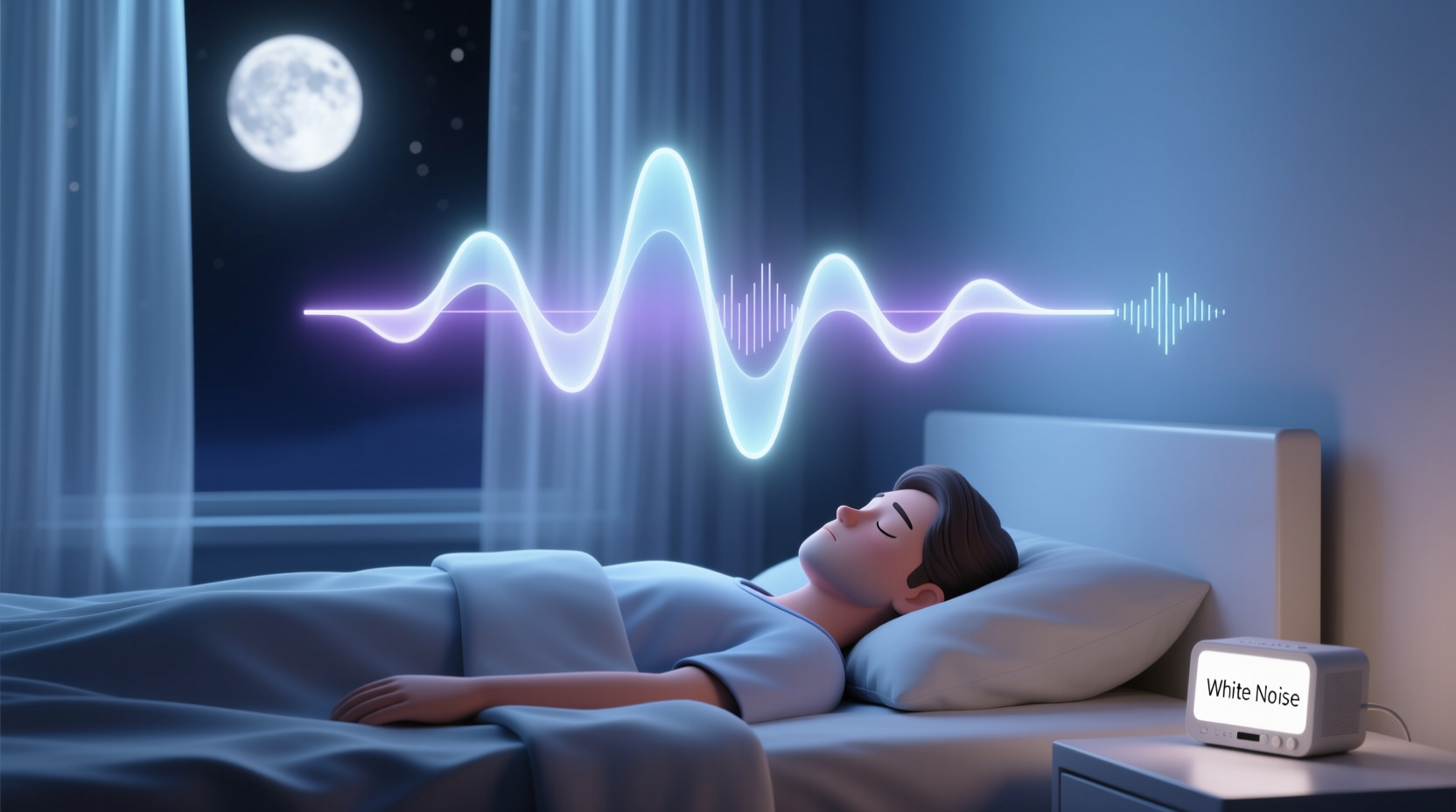
White noise is a consistent blend of sound frequencies across the audible spectrum, perceived as a steady \"shhh\" or hum. It functions by masking disruptive background sounds—such as traffic, snoring, or sudden noises—that might otherwise trigger micro-arousals during sleep. These brief awakenings, often unnoticed, fragment sleep cycles and reduce time spent in restorative phases like slow-wave (deep) sleep and REM.
The human brain remains partially alert during sleep, continuously monitoring the environment for threats. Sudden changes in sound can activate the auditory cortex and trigger stress responses, even if you don’t fully wake up. White noise creates a predictable sonic backdrop that reduces the contrast between ambient noise and abrupt disturbances, helping the brain remain in a stable state.
Studies suggest that continuous, low-level white noise can shorten sleep onset latency—the time it takes to fall asleep—by up to 40% in some individuals. This benefit is especially pronounced in high-noise environments, such as hospitals or cities. However, the long-term effects on sleep depth and rhythm regulation are more nuanced.
Impact on Deep Sleep: Enhancement or Interference?
Deep sleep, also known as slow-wave sleep (SWS), is critical for physical restoration, immune function, and memory consolidation. During this phase, brain activity slows into synchronized delta waves, heart rate drops, and tissue repair accelerates. Any disruption to this stage can diminish sleep quality, even if total sleep duration appears adequate.
Research on white noise's effect on deep sleep presents mixed findings. Some studies show that carefully calibrated pink or brown noise—variants with more emphasis on lower frequencies—can actually enhance slow-wave activity. A 2017 study published in Frontiers in Human Neuroscience found that older adults exposed to pink noise during sleep exhibited increased deep sleep duration and improved overnight memory retention.
However, standard white noise may not offer the same benefits. Its flat frequency distribution includes higher pitches that can be stimulating rather than soothing. When played too loudly or inconsistently, white noise may suppress delta wave formation or increase cortical arousal, particularly in sensitive individuals.
Moreover, dependency is a concern. Regular use of white noise may condition the brain to require external auditory input to initiate or maintain sleep. Over time, this can weaken the brain’s natural ability to self-regulate in silence, potentially making unassisted sleep more difficult.
“While sound masking can be helpful, we must distinguish between acute relief and chronic reliance. The goal should be supporting the brain’s innate sleep mechanisms—not replacing them.” — Dr. Lena Tran, Sleep Neurologist, Stanford Center for Sleep Sciences
Can White Noise Disrupt Circadian Rhythms?
Circadian rhythms are 24-hour biological cycles regulated primarily by light but influenced by other environmental cues—including sound. While light is the dominant zeitgeber (time-giver), auditory stimuli can modulate alertness and hormonal release, particularly cortisol and melatonin.
Continuous nighttime sound exposure—even at low levels—may subtly alter the timing and amplitude of these rhythms. For example, abrupt shutdown of white noise in the early morning can mimic an environmental shift, prompting premature awakening. Conversely, leaving it on all day may blur the distinction between night and day, confusing the body’s internal clock.
Children appear especially vulnerable. A 2023 review in Pediatrics highlighted concerns about prolonged white noise use in infants, noting potential risks to auditory development and sleep-wake cycle maturation. The American Academy of Pediatrics recommends limiting exposure and avoiding placement near cribs.
Adults with irregular schedules or shift work may also experience compounded disruptions when combining artificial light exposure with constant sound. The cumulative effect can desynchronize circadian timing, leading to poor sleep efficiency and daytime fatigue.
White Noise vs. Natural Sound Cycles
Natural environments rarely feature constant noise. Forests, oceans, and rural areas have rhythmic, variable sound patterns—waves lapping, wind rustling leaves—that align with biological expectations. In contrast, machine-generated white noise is monotonous and unchanging, which the brain may interpret as unnatural over time.
Some researchers argue that this lack of variation prevents full relaxation. The brain may remain in a low-level state of vigilance, anticipating change that never comes. This phenomenon, sometimes called “auditory monotony stress,” could undermine the restorative purpose of sleep.
Choosing the Right Sound Type: White, Pink, or Brown?
Not all noise is created equal. Understanding the differences between types can help optimize sleep support without unintended side effects.
| Type | Frequency Profile | Perceived Sound | Best For |
|---|---|---|---|
| White Noise | Equal energy across all frequencies | Static-like hiss (e.g., TV snow) | Moderate noise masking, short-term use |
| Pink Noise | More power in lower frequencies; decreases with higher pitch | Rainfall, steady wind | Enhancing deep sleep, memory |
| Brown Noise | Even stronger low-frequency emphasis | Thunder, waterfall | Calming anxiety, blocking bass-heavy noise |
For long-term sleep enhancement, pink or brown noise may be preferable due to their alignment with natural auditory patterns and deeper resonance with brainwave activity during slow-wave sleep. Many users report greater relaxation and fewer morning grogginess symptoms when switching from white to pink noise.
Actionable Guide: Using Sound to Support Healthy Sleep
To maximize benefits while minimizing risks, follow this step-by-step approach to integrating sound into your sleep routine.
- Assess Your Environment: Determine whether noise is truly disrupting your sleep. Keep a sleep log for one week, noting awakenings and potential triggers.
- Start with Silence: Try sleeping without any sound for a few nights. If you sleep well, external noise may not be necessary.
- Select the Right Sound Type: Opt for pink or brown noise if using sound regularly. Reserve white noise for temporary situations (e.g., travel).
- Control Volume and Placement: Keep speaker volume below 50 dB and place it at least six feet from the bed. Never use headphones or earbuds overnight.
- Use Timers or Smart Features: Set the sound to turn off after you’re likely asleep (e.g., 45–60 minutes) to avoid prolonged exposure.
- Limit Daily Use: Avoid playing noise during naps or daytime rest unless absolutely needed. Allow your brain regular exposure to natural silence.
- Monitor for Dependency: Every few weeks, test your ability to sleep without sound. If you struggle, gradually reduce usage over time.
Checklist: Healthy White Noise Practices
- ✅ Use only when external noise is disruptive
- ✅ Prefer pink or brown noise for nightly use
- ✅ Keep volume under 50 decibels
- ✅ Position device away from the head
- ✅ Use automatic shutoff timers
- ✅ Re-evaluate need monthly
- ❌ Don’t use in infants without pediatric guidance
- ❌ Avoid all-night playback
Real-World Example: Maria’s Shift to Pink Noise
Maria, a 38-year-old project manager living near a busy intersection in Chicago, had relied on white noise for five years to drown out late-night traffic. While it helped her fall asleep faster, she often woke feeling unrested and experienced frequent headaches upon waking.
After reading about pink noise research, she experimented with a nature-based pink noise track featuring gentle rainfall. She lowered the volume, placed the speaker across the room, and set a 45-minute timer. Within two weeks, she reported deeper sleep and reduced morning fatigue. After a month, she tested sleeping without any sound and found she could now tolerate occasional city noise without disturbance.
Her case illustrates how adjusting sound type and usage habits—not just adding noise—can lead to meaningful improvements in sleep quality and independence.
Frequently Asked Questions
Can white noise cause hearing damage over time?
When used at high volumes (above 60–70 dB) for extended periods, any sound—including white noise—can contribute to noise-induced hearing loss. To minimize risk, keep volume low and avoid placing speakers close to the ears. Occasional use at moderate levels is generally safe.
Is it okay to use white noise every night?
Occasional nightly use is acceptable for most adults, especially in noisy environments. However, long-term daily use may lead to dependency or reduced effectiveness. It’s advisable to periodically assess whether it’s still needed and consider alternatives like soundproofing or earplugs.
Does white noise affect children differently?
Yes. The developing auditory system in infants and young children is highly sensitive. Prolonged or loud white noise exposure may interfere with language acquisition and healthy sleep development. The American Academy of Pediatrics advises caution, recommending limited use and keeping devices at a safe distance from cribs.
Conclusion: Balancing Benefit and Biological Needs
White noise can be a valuable tool for improving sleep onset and reducing environmental disruptions—but it is not a universal solution. Its impact on deep sleep varies by individual and sound type, with emerging evidence favoring pink and brown noise for long-term use. More importantly, unchecked reliance on artificial sound may mask underlying issues or disrupt natural circadian and neural processes.
The goal should not be perfect silence or constant noise, but a balanced, adaptable sleep environment that supports the body’s innate rhythms. By using sound strategically—matching type, volume, and duration to actual need—you can harness its benefits without compromising sleep depth or long-term health.




 浙公网安备
33010002000092号
浙公网安备
33010002000092号 浙B2-20120091-4
Comments
No comments yet. Why don't you start the discussion?