
Switching from an iPhone to an Android device is never a casual decision—especially when you’ve invested years in Apple’s ecosystem. The iPhone 13 Pro remains a powerhouse: sleek design, reliable iOS updates, excellent build quality, and one of the best cameras on the market. But the Google Pixel 7, with its AI-driven features, clean Android experience, and aggressive pricing, has been turning heads. So, is it actually worth making the leap?
The answer depends on what you value most: seamless integration and long-term support (Apple), or cutting-edge software intelligence and customization (Google). Let’s examine both phones across key categories to see where each excels—and whether the Pixel 7 justifies leaving the Apple universe.
Design and Build Quality
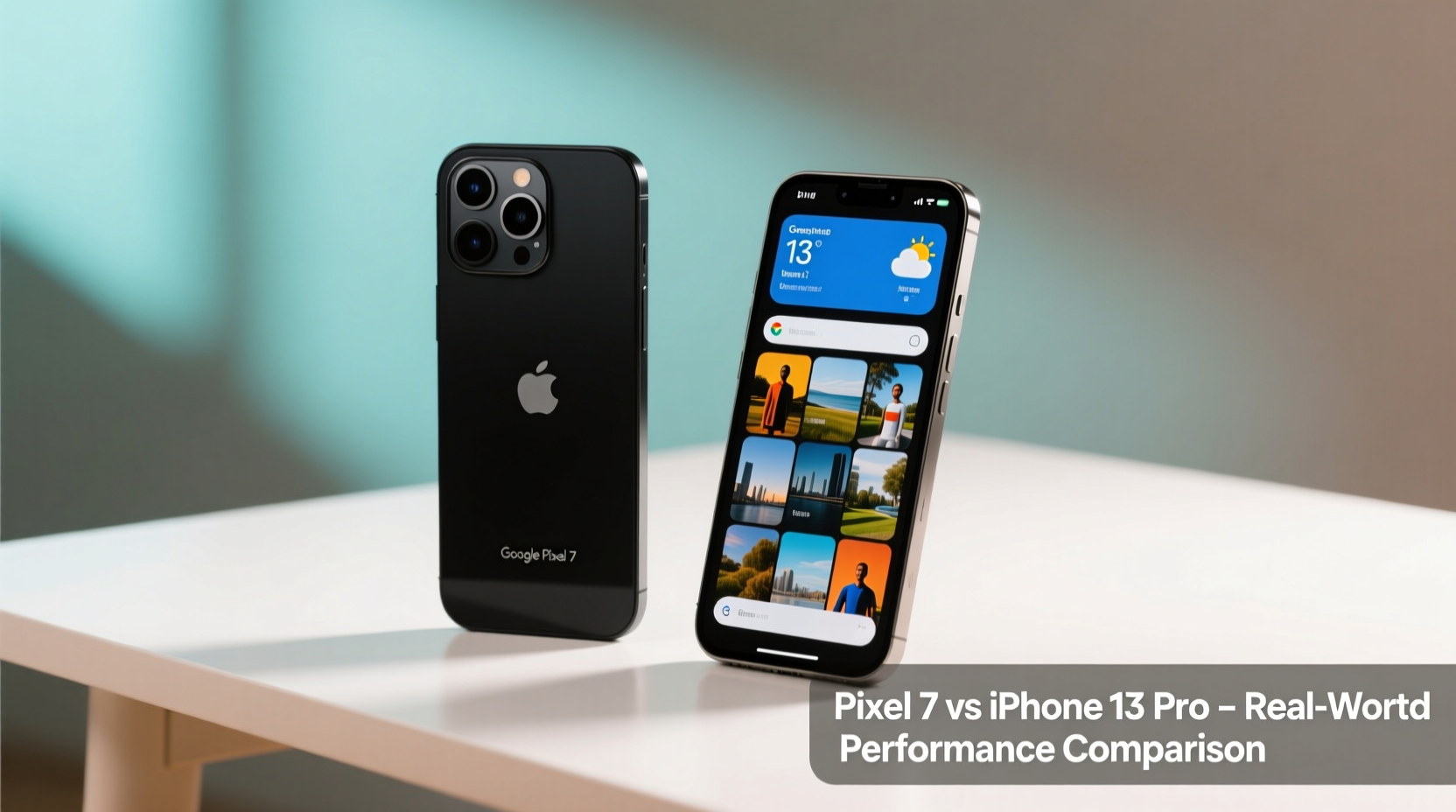
The iPhone 13 Pro sets a high bar for premium feel. Its surgical-grade stainless steel frame, flat edges, and Ceramic Shield front glass deliver a solid, luxurious heft. It’s also IP68-rated for dust and water resistance, tested deeper and longer than most Android counterparts.
The Pixel 7 uses recycled aluminum for its frame and a matte finish that resists fingerprints, but it lacks the same tactile prestige. Still, it feels sturdy, compact, and comfortable in hand. At 6.3 inches, it's slightly smaller than the iPhone 13 Pro’s 6.1-inch display—but the screen-to-body ratio is higher, giving more usable space in a similar footprint.
One notable difference: the Pixel 7 uses a rear-mounted fingerprint sensor instead of Face ID. While fast and accurate, it doesn’t match the effortless unlock experience of Apple’s facial recognition, especially when wearing masks or lying in bed.
Camera Performance: Computational Photography vs. Consistency
This is where things get interesting. Both phones take exceptional photos, but they approach photography differently.
The iPhone 13 Pro relies on hardware superiority—larger sensors, sensor-shift stabilization, and triple-lens versatility (wide, ultra-wide, telephoto). It produces natural color tones, excellent dynamic range, and consistent results across lighting conditions. Video recording, especially in Dolby Vision HDR, is unmatched in the Android world.
The Pixel 7, meanwhile, leans heavily into computational photography. With only two rear cameras (main and ultra-wide), it compensates using Google’s AI magic: Night Sight, Magic Eraser, Real Tone enhancements, and superior HDR processing. In low light, the Pixel often delivers brighter, cleaner shots than the iPhone. Portrait mode edge detection is sharper, and astrophotography mode turns night skies into detailed starfields.
However, the lack of a dedicated telephoto lens limits zoom capability. The iPhone offers 3x optical zoom; the Pixel relies on digital cropping, which degrades quality beyond 5x.
“Google’s software-first camera approach closes the hardware gap remarkably well, but Apple still wins for professional creators who need reliability over gimmicks.” — Marcus Tran, Mobile Photographer & Tech Reviewer
Software Experience: iOS vs. Stock Android with AI
iOS is known for its polish, predictability, and tight app integration. Notifications are organized, multitasking is intuitive, and the App Store maintains stricter quality control. Updates arrive instantly and are supported for five to six years—a gold standard in longevity.
The Pixel 7 runs stock Android with Google’s latest features: Material You theming, predictive app suggestions, Call Screen (which answers spam calls automatically), and Now Playing (which identifies background music without permission). These aren’t just conveniences—they redefine how a phone interacts with daily life.
For example, Live Translate transcribes conversations in real time during calls. Hold for Me lets you wait on hold without staying on the line. These AI tools solve real frustrations, even if they’re not used every day.
On the downside, Android fragmentation means some third-party apps look less refined. And while Pixels receive three years of OS updates and five years of security patches, that still falls short of Apple’s track record.
Performance and Battery Life
The iPhone 13 Pro packs the A15 Bionic chip—one of the fastest mobile processors ever made. Even under heavy loads like video editing or gaming, it rarely stutters. iOS optimization ensures smooth animations and near-instant app launches.
The Pixel 7 uses Google’s Tensor G2, designed specifically for machine learning tasks. It’s not quite as powerful in raw benchmarks, but it shines in voice recognition, photo processing, and language translation.日常 use feels snappy, though sustained performance can dip slightly during prolonged workloads.
Battery life is comparable: both last about a full day with mixed usage. The iPhone edges ahead in video playback (up to 22 hours), while the Pixel benefits from adaptive battery learning, which prioritizes apps you use most.
Charging is another divergence. The iPhone supports 20W wired and 15W MagSafe wireless charging. The Pixel 7 supports 30W wired and 23W wireless charging—but fast chargers are sold separately, unlike Apple, which includes a cable (but no wall adapter).
Key Differences at a Glance
| iPhone 13 Pro | Pixel 7 | |
|---|---|---|
| Operating System | iOS 17 (supports up to iOS 22+) | Android 13 (3 OS updates guaranteed) |
| Processor | A15 Bionic | Google Tensor G2 |
| Rear Cameras | Triple: 12MP Wide, Ultra-Wide, Telephoto (3x) | Dual: 50MP Main, 12MP Ultra-Wide |
| Front Camera | 12MP TrueDepth | 10.8MP |
| Battery Life | Excellent (22 hrs video) | Good (adaptive optimization) |
| Fingerprint Sensor | No (Face ID only) | Yes (under display) |
| Updates | ~6 years of support | 5 years security, 3 OS |
| Ecosystem Lock-in | iCloud, AirDrop, iMessage, AirPods | Google Photos, Gmail, Nest, YouTube |
Mini Case Study: Sarah’s Switch After Three Years on iPhone
Sarah had used iPhones since 2016. She loved iMessage, AirPods integration, and the way her iPad and Mac mirrored notifications. But after seeing a friend remove bystanders from a photo using Magic Eraser on a Pixel, she grew curious.
She bought a Pixel 7 primarily for the camera and AI tools. The first week was rocky—missing iMessage blue bubbles, getting used to Google Messages with RCS, and re-downloading apps. But within two weeks, she adapted. She now uses Live Translate during grocery calls with her Spanish-speaking neighbor and loves how Google Photos auto-organizes her family albums by people, pets, and places.
“I miss AirDrop,” she admits, “but Google’s Nearby Share works fine. And honestly, I don’t miss waiting 30 seconds for Portrait mode to process.”
Checklist: Is the Pixel 7 Right for You?
- ✅ You want smarter software features (Call Screen, Live Translate, Magic Eraser)
- ✅ You prioritize camera performance in low light and advanced photo editing
- ✅ You're comfortable switching messaging platforms (RCS instead of iMessage)
- ✅ You already use Google services (Gmail, Drive, Photos, Calendar)
- ✅ You prefer faster charging and lower upfront cost (~$200 less than iPhone 13 Pro)
- ❌ You rely heavily on FaceTime, AirDrop, or ecosystem continuity between Apple devices
- ❌ You record lots of video or need optical zoom
- ❌ You want maximum long-term software support
FAQ
Can I transfer my data easily from iPhone to Pixel 7?
Yes. Google provides the \"Move to Android\" app, which transfers contacts, messages, photos, calendars, and free apps over Wi-Fi. iCloud photos can be imported via the Google Photos app. However, iMessages remain green bubbles unless sent via SMS.
Will my AirPods work with the Pixel 7?
Yes, AirPods connect via Bluetooth and function as basic wireless earbuds. However, you lose automatic switching, spatial audio with head tracking, and battery level pop-ups that require iOS.
Does the Pixel 7 feel like a premium phone compared to the iPhone 13 Pro?
In hand, yes—it’s well-built and modern. But the materials don’t feel quite as luxurious. The iPhone’s weight and metal frame convey higher-end craftsmanship, while the Pixel emphasizes functionality and sustainability.
Conclusion: Making the Right Move for Your Lifestyle
The Google Pixel 7 isn’t objectively better than the iPhone 13 Pro—but it offers a compelling alternative for users ready to explore beyond Apple’s walled garden. If you value innovation, personalization, and intelligent software that anticipates your needs, the Pixel delivers unique advantages no iPhone can match.
But if you depend on seamless device handoffs, professional-grade video, or simply prefer a predictable, polished interface, sticking with iOS makes sense. There’s no universal winner—only what aligns with your habits, priorities, and digital lifestyle.




 浙公网安备
33010002000092号
浙公网安备
33010002000092号 浙B2-20120091-4
Comments
No comments yet. Why don't you start the discussion?