
In 2024, flagship smartphones from three years ago may seem outdated, but the Samsung Galaxy S21 Ultra remains a compelling device for certain users. Meanwhile, the iPhone 13 continues to hold its ground as Apple’s mid-tier offering with long-term software support. Choosing between them isn’t just about brand loyalty—it’s about real-world usability, longevity, ecosystem integration, and value. This breakdown examines both phones across key categories to help you make a confident decision based on your needs.
Performance: Flagship Power That Still Holds Up
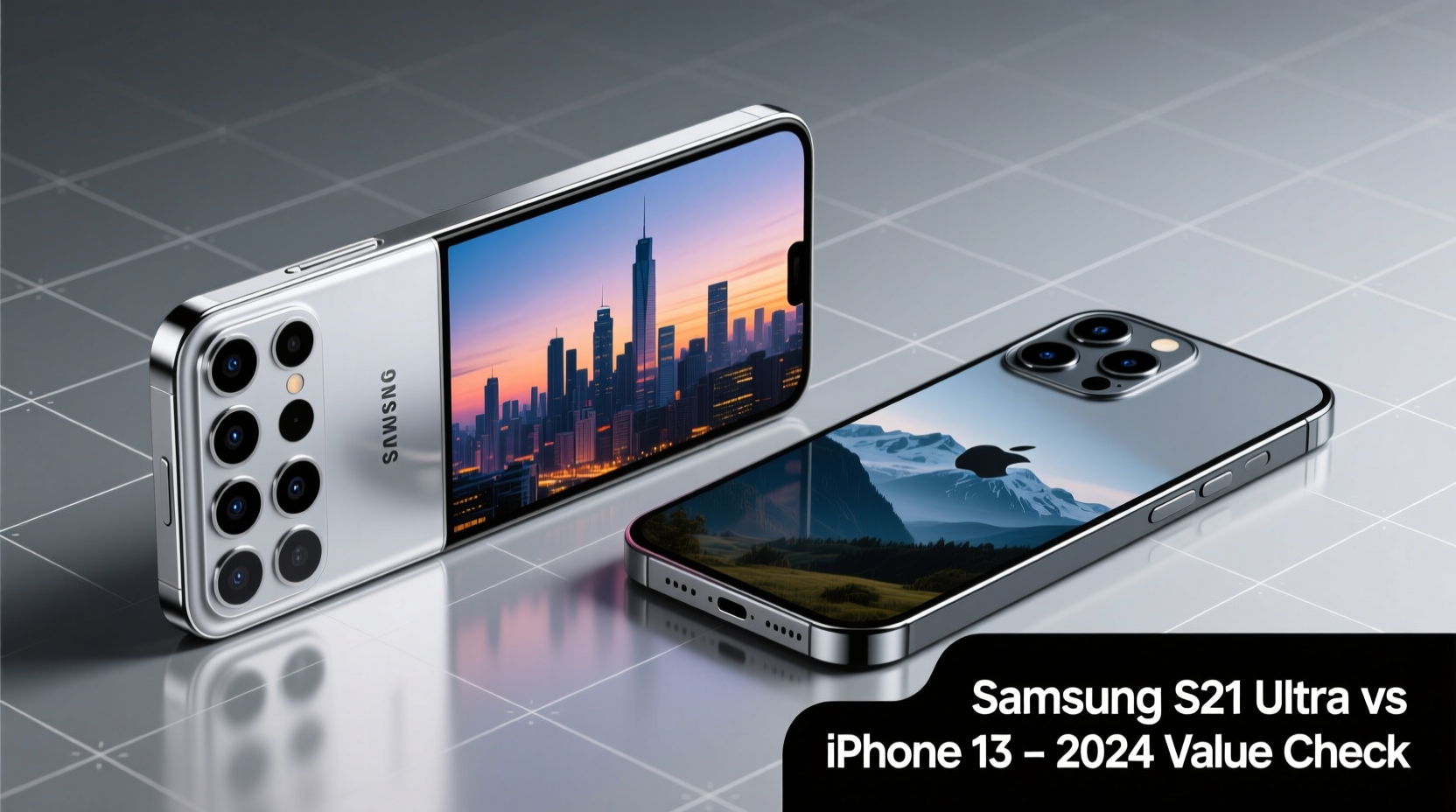
The Samsung S21 Ultra launched with the Exynos 2100 or Snapdragon 888 (depending on region), both of which were top-tier chips at the time. In 2024, they remain capable of handling everyday tasks, multitasking, and even high-end gaming—though not quite at the level of newer flagships like the S24 series or iPhone 15 Pro.
The iPhone 13, powered by Apple’s A15 Bionic chip, still outperforms most Android competitors in single-core efficiency and app optimization. iOS apps launch quickly, animations stay smooth, and background processes are managed efficiently. For users prioritizing long-term performance stability, the A15 holds up remarkably well—even against newer mid-range processors.
Camera Comparison: Versatility vs. Consistency
The S21 Ultra was a photography powerhouse in 2021, and much of that strength carries into 2024. Its quad-camera system includes:
- 108MP main sensor
- 12MP ultra-wide
- Dual telephoto lenses (3x and 10x optical zoom)
- Laser autofocus and 8K video recording
This setup allows for exceptional zoom quality—still unmatched by the iPhone 13’s dual 12MP system (wide and ultra-wide). While the iPhone lacks optical zoom beyond 2x digital, its computational photography delivers more consistent color science, dynamic range, and low-light performance without requiring manual tweaking.
Samsung’s camera interface is feature-rich but can feel overwhelming. The iPhone excels in point-and-shoot reliability, especially for social media content where minimal editing is preferred.
“Even in 2024, the S21 Ultra’s periscope lens gives it a unique edge for wildlife or distant subjects—but only if you know how to use Pro mode effectively.” — David Lin, Mobile Photography Analyst
Battery Life and Charging: Real-World Endurance
The S21 Ultra packs a 5,000mAh battery, which in 2021 offered all-day use under heavy loads. Today, after multiple charge cycles and potential battery degradation, actual endurance varies. With moderate use—browsing, messaging, streaming—it can still last a full day, though power users may need a midday charge.
It supports 25W fast charging, 15W wireless charging, and reverse wireless charging. These features remain useful, though slower than what newer models offer.
The iPhone 13, with its smaller 3,227mAh battery, benefits from Apple’s power-efficient architecture. It routinely achieves 14–16 hours of screen-on time, often outlasting the S21 Ultra despite the capacity difference. However, it only supports 20W wired and 15W MagSafe charging—no reverse charging.
| Feature | Samsung S21 Ultra | iPhone 13 |
|---|---|---|
| Battery Capacity | 5,000 mAh | 3,227 mAh |
| Fast Charging | 25W (wired) | 20W (wired) |
| Wireless Charging | 15W | 15W (MagSafe) |
| Reverse Charging | Yes | No |
| Average Screen-On Time | 8–10 hrs | 10–12 hrs |
Software Support and Longevity
This is where the two devices diverge significantly. Samsung promised four major Android OS updates and five years of security patches for the S21 series. As of 2024, the S21 Ultra has already received updates up to Android 14 with One UI 6.0—and is expected to receive one more OS update (Android 15) and security support through early 2026.
The iPhone 13, released the same year, will likely receive iOS updates until 2027 or beyond. Apple typically supports its devices for 5–6 years post-release, sometimes longer. This means the iPhone 13 will likely see two more major iOS versions, giving it a clear edge in long-term software relevance.
If you plan to keep your phone for three or more years, the iPhone 13 offers greater peace of mind regarding future compatibility with apps and services.
Display and Design: Brightness Meets Durability
The S21 Ultra features a 6.8-inch Dynamic AMOLED 2X display with a 120Hz adaptive refresh rate, QHD+ resolution, and peak brightness of 1,500 nits. Even in 2024, this screen is among the best ever put on a smartphone—perfect for outdoor visibility, HDR video, and immersive gaming.
The iPhone 13 uses a 6.1-inch Super Retina XDR OLED display with a standard 60Hz refresh rate and slightly lower peak brightness (up to 800 nits, 1,200 nits for HDR). While color accuracy is excellent, the lack of high refresh rate makes scrolling feel less fluid compared to the S21 Ultra.
On build quality, both phones are durable. The S21 Ultra has Gorilla Glass Victus and IP68 rating. The iPhone 13 uses Ceramic Shield front cover and also has IP68 resistance. However, real-world drop tests suggest the iPhone 13 survives more impacts unscathed due to its compact size and reinforced corners.
Mini Case Study: Sarah’s Upgrade Dilemma
Sarah, a freelance photographer, needed a reliable phone for travel and client work. She considered buying a used S21 Ultra for its superior zoom and pro-grade camera controls. After testing both devices, she chose the iPhone 13—not because it took “better” photos, but because her clients primarily viewed images on Instagram and Apple devices. The consistency of iPhone colors across platforms reduced her editing time by nearly 30%. She paired it with a lightweight Android tablet for occasional zoom shots, creating a hybrid solution that balanced performance and workflow efficiency.
Checklist: How to Decide Which Phone Is Right for You
Use this checklist to guide your decision:
- Do you prioritize camera zoom and manual control? → S21 Ultra
- Do you prefer seamless ecosystem integration (Mac, iPad, AirPods)? → iPhone 13
- Are you keeping the phone for 3+ years? → iPhone 13 (longer software support)
- Do you want the best possible display quality? → S21 Ultra
- Is budget a concern and are you buying used/refurbished? → Compare prices; S21 Ultra often costs less now
- Do you use Android-exclusive apps or features (e.g., Samsung DeX, sideloading)? → S21 Ultra
- Do you dislike frequent charging? → Test battery health if buying used S21 Ultra
Frequently Asked Questions
Can the S21 Ultra run modern games smoothly in 2024?
Yes, most modern games run well on high settings, though some intensive titles like Genshin Impact may cause thermal throttling over extended sessions, especially on the Exynos model.
Does the iPhone 13 support 5G?
Yes, the iPhone 13 supports 5G across all variants, including mmWave (in select models) and sub-6GHz networks. Coverage and speed depend on carrier and location.
Which phone holds resale value better?
The iPhone 13 generally retains higher resale value than the S21 Ultra, thanks to Apple’s reputation for longevity and consistent demand in the used market.
Final Verdict: Who Should Choose Which?
The Samsung S21 Ultra is still worth it in 2024—if you find it at a steep discount (under $300 used/refurbished) and value its standout features: the best-in-class display, versatile camera system, expandable functionality via DeX, and larger battery. Tech enthusiasts, photographers, and Android loyalists will appreciate its capabilities.
However, for most average users, the iPhone 13 is the smarter long-term investment. Its superior software support, tighter ecosystem integration, consistent camera output, and proven durability make it a safer choice. If you’re switching from Android, the transition tools (like Move to iOS) have improved significantly, minimizing friction.
Ultimately, your choice depends on priorities: cutting-edge hardware flexibility or long-term reliability and ecosystem cohesion.




 浙公网安备
33010002000092号
浙公网安备
33010002000092号 浙B2-20120091-4
Comments
No comments yet. Why don't you start the discussion?