
Experiencing light bleeding or spotting after your period ends is more common than many realize. While it’s often harmless and linked to natural hormonal shifts, persistent or unusual bleeding can sometimes point to an underlying condition. Understanding the difference between normal post-period spotting and signs that warrant medical attention is essential for maintaining reproductive health.
This article explores the most frequent causes of light bleeding after menstruation, identifies red flags, and provides practical guidance on when to consult a healthcare provider. Whether you’ve noticed occasional spotting or are tracking changes over time, this information will help you make informed decisions about your body.
Hormonal Fluctuations and Ovulation Spotting
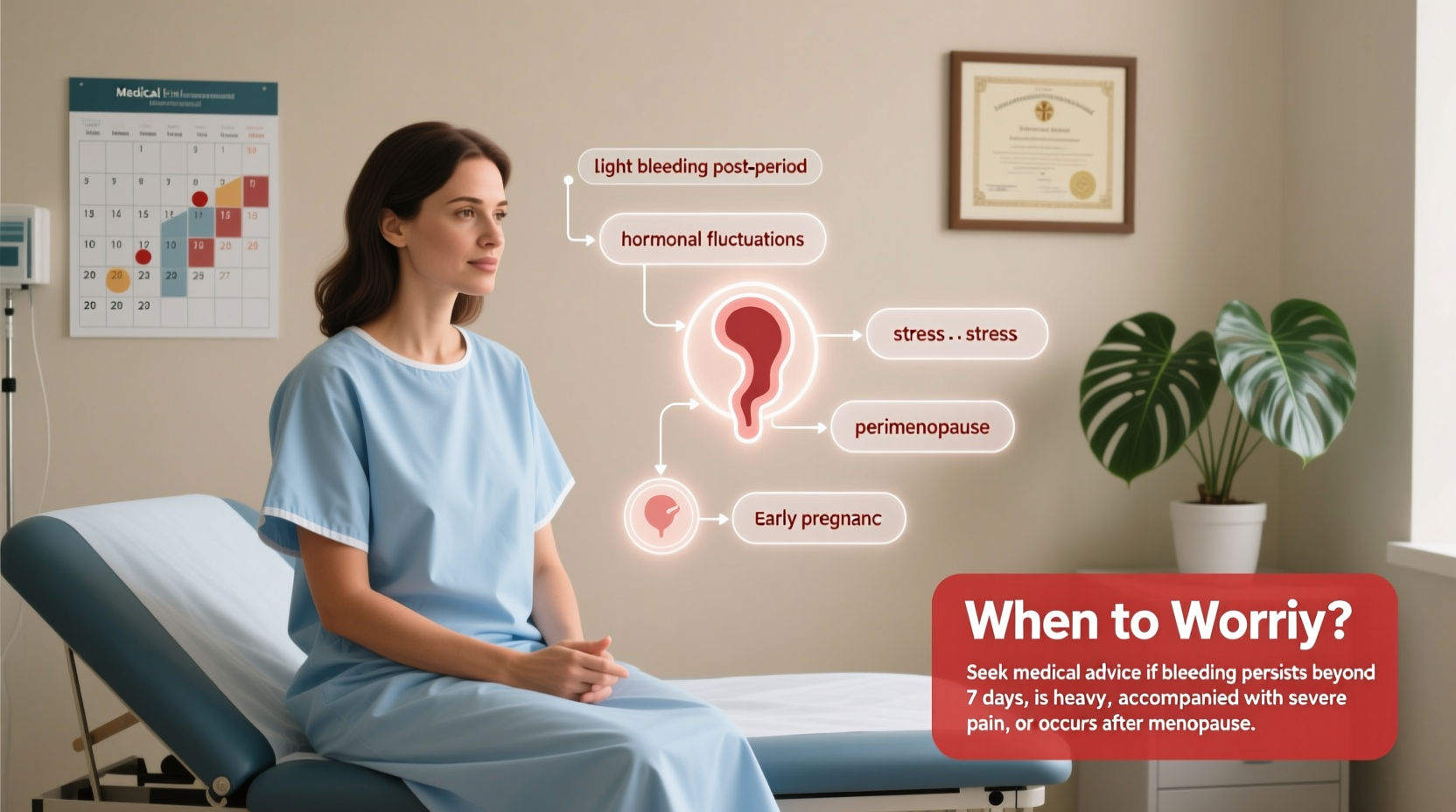
One of the most common reasons for light bleeding after a period is hormonal variation during the menstrual cycle. Estrogen and progesterone levels rise and fall throughout the month, influencing the stability of the uterine lining. A brief dip in estrogen just before ovulation—typically around day 14 in a 28-day cycle—can cause the endometrium to shed slightly, resulting in light pink or brown discharge.
This type of spotting usually lasts one to two days and may coincide with other ovulation signs like mild pelvic pain (mittelschmerz), increased cervical mucus, or breast tenderness. Because it occurs mid-cycle rather than immediately after menstruation, some women mistake it for leftover period blood.
Common Medical Causes of Post-Period Bleeding
Beyond hormonal shifts, several gynecological conditions can lead to post-menstrual spotting. While not all require treatment, recognizing their presence helps determine whether further evaluation is needed.
- Polyps: Small, benign growths on the cervix or inside the uterus can bleed easily, especially after intercourse or pelvic exams.
- Fibroids: Noncancerous tumors in the uterine muscle layer may disrupt normal bleeding patterns, causing prolonged periods or intermenstrual spotting.
- Endometriosis: Tissue similar to the uterine lining grows outside the uterus, leading to irregular bleeding, painful periods, and infertility.
- Adenomyosis: Endometrial tissue embeds into the uterine wall, causing heavy, prolonged periods and post-menstrual spotting.
- Infections: Pelvic inflammatory disease (PID), often caused by untreated STIs like chlamydia or gonorrhea, can result in abnormal vaginal bleeding.
“Any recurrent spotting outside of menstruation should be evaluated, especially if accompanied by pain or changes in cycle regularity.” — Dr. Lena Patel, OB-GYN Specialist
When Birth Control Plays a Role
Hormonal contraceptives are a frequent culprit behind breakthrough bleeding, particularly during the first three to six months of use. Methods such as oral pills, implants, hormonal IUDs (like Mirena or Kyleena), and injections alter the endometrial lining and hormone balance, which can lead to unpredictable spotting.
The severity and duration vary by method:
| Birth Control Method | Likelihood of Post-Period Spotting | Typical Duration |
|---|---|---|
| Combined Oral Contraceptives | Moderate | 1–3 months |
| Progestin-Only Pills (Mini-Pill) | High | Up to 6 months |
| Hormonal IUD | Very High initially | 3–6 months (resolves over time) |
| Nexplanon Implant | Very High | Can persist intermittently |
While this bleeding is generally not dangerous, sudden return of spotting after months of stable cycles on birth control may indicate missed pills, drug interactions, or other issues requiring assessment.
When to Worry: Red Flags and Warning Signs
Most cases of light bleeding after a period are benign, but certain symptoms suggest the need for prompt medical evaluation. These include:
- Spotting that lasts longer than seven days
- Heavy bleeding requiring pads or tampons every hour
- Severe pelvic pain or cramping unrelated to menstruation
- Foul-smelling vaginal discharge
- Bleeding after menopause
- Post-coital bleeding (bleeding after sex)
- Unexplained weight loss or fatigue
Additionally, women over 45 who experience new-onset irregular bleeding should be evaluated for endometrial hyperplasia or cancer, especially if they have risk factors like obesity, PCOS, or unopposed estrogen exposure.
Real Example: When Spotting Led to a Diagnosis
Sarah, a 38-year-old teacher, began noticing light brown spotting about five days after her period ended. At first, she dismissed it as stress-related. But when it occurred for four consecutive cycles and was followed by mild pain during intercourse, she scheduled a visit with her gynecologist.
An ultrasound revealed a small endometrial polyp. After a simple hysteroscopic removal, her cycles normalized completely. “I didn’t think a little spotting could mean anything serious,” she said. “But catching it early made all the difference.”
Step-by-Step Guide: What to Do If You Experience Post-Period Bleeding
- Track the pattern: Note the timing, color, and volume of bleeding across at least two cycles.
- Review medications: Assess whether hormonal birth control, supplements, or new prescriptions could contribute.
- Monitor for additional symptoms: Pay attention to pain, discharge, fever, or changes in urinary habits.
- Rule out pregnancy: Take a home pregnancy test—even if your period came—as implantation bleeding or early miscarriage can mimic post-period spotting.
- Schedule a clinical evaluation: See your healthcare provider if spotting persists beyond two cycles or includes warning signs.
FAQ
Is it normal to have brown discharge after my period?
Yes. Brown discharge is typically old blood leaving the uterus and is common for one to three days after menstruation ends. It’s usually nothing to worry about unless it lasts longer or is accompanied by odor or discomfort.
Can stress cause bleeding after my period?
Indirectly, yes. Chronic stress affects the hypothalamus, which regulates hormones like cortisol and those controlling the menstrual cycle. This disruption can lead to irregular shedding, including mid-cycle or post-period spotting.
Should I get tested for STIs if I have post-period bleeding?
If you’re sexually active and haven’t had recent STI screening, it’s a reasonable precaution. Infections like chlamydia often present with no symptoms but can cause inflammation and abnormal bleeding. Testing is quick and treatable with antibiotics.
Action Plan Checklist
Use this checklist to assess and respond to post-period bleeding:
- ☑ Track bleeding episodes in a journal or app
- ☑ Rule out pregnancy with a test if applicable
- ☑ Review current medications and birth control
- ☑ Note any pain, discharge, or systemic symptoms
- ☑ Schedule a doctor’s appointment if spotting continues beyond two cycles
- ☑ Request pelvic exam, ultrasound, or STI testing as needed
Conclusion
Light bleeding after your period is often a normal part of the menstrual cycle, especially when tied to ovulation or hormonal contraception. However, consistent or symptomatic spotting should never be ignored. By understanding the potential causes and knowing when to seek help, you empower yourself to maintain optimal reproductive health.




 浙公网安备
33010002000092号
浙公网安备
33010002000092号 浙B2-20120091-4
Comments
No comments yet. Why don't you start the discussion?