
When it comes to shaping the atmosphere of a room, few elements are as influential as the treatment of windows. They are not just portals to the outside world—they frame views, control light, and contribute significantly to emotional comfort. Two popular choices—lighted window silhouettes and curtains—offer distinct aesthetic and psychological effects. But when the goal is coziness, which option wins? The answer depends on more than just appearance; it involves light quality, texture, seasonality, and personal memory.
Coziness isn’t merely about physical warmth—it’s a sensory experience rooted in softness, intimacy, and emotional safety. It’s the feeling of being wrapped in a blanket on a rainy evening or seeing golden light spill from a cottage window into the night. Both silhouettes and curtains can evoke this sensation, but they do so in fundamentally different ways. Understanding their strengths allows homeowners to make intentional design decisions that align with their vision of comfort.
The Emotional Power of Lighted Window Silhouettes
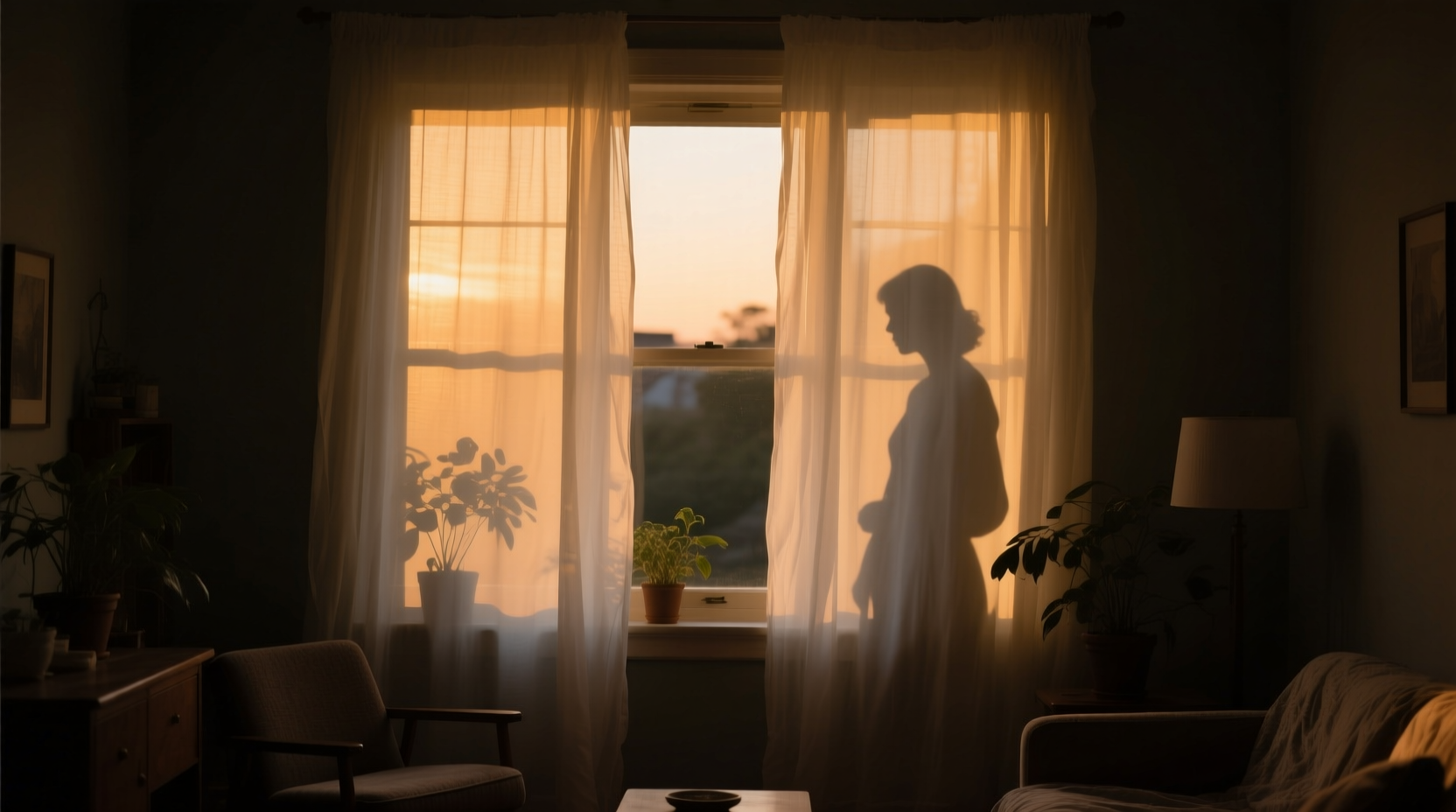
Lighted window silhouettes are decorative cutouts—often made of cardboard, plastic, or wood—placed against glass panes and illuminated from behind by small lights. Common during holidays, especially Christmas, they depict figures like reindeer, Santa, candles, or snowmen glowing softly against the dark. Their charm lies in nostalgia and simplicity.
What makes them feel cozy is their association with tradition and seasonal warmth. When dusk falls and these shapes begin to glow, they signal a pause in time—a return to slower rhythms, family gatherings, and quiet evenings. Unlike bright overhead lighting, silhouette lighting is indirect and diffused, casting gentle halos rather than sharp beams. This low-luminance glow mimics candlelight, triggering what psychologists call “biophilic responses”—innate human reactions to natural patterns of light and shadow.
Silhouettes also engage the imagination. Because they lack detail, viewers mentally fill in the gaps—projecting memories of past winters, childhood anticipation, or imagined stories behind each figure. This cognitive engagement deepens emotional resonance, making the space feel personally meaningful.
How Curtains Contribute to Physical and Visual Warmth
Curtains, by contrast, offer both functional and aesthetic benefits. Made from fabrics like velvet, linen, wool blends, or thermal weaves, they add texture, depth, and insulation to a room. Their contribution to coziness is tangible: heavy drapes reduce drafts, absorb sound, and trap heat near windows—sometimes improving energy efficiency by up to 25%, according to the U.S. Department of Energy.
Visually, curtains create enclosure. In psychology, the concept of “prospect and refuge” explains why humans feel safe in spaces where they can see outward while remaining sheltered. Curtains act as a soft boundary—offering visual privacy while maintaining connection to the outside. When drawn partially or fully closed, they shrink large rooms into intimate zones, reinforcing a sense of protection.
Fabric choice plays a crucial role. Thick materials like corduroy or tapestry weave absorb ambient noise and soften harsh lines. Even lightweight sheers contribute to coziness by diffusing daylight into a hazy, dreamlike glow. Color further amplifies mood: earth tones (terracotta, olive, mustard), deep jewel shades (burgundy, navy), or warm neutrals (cream, taupe) all enhance perceived warmth better than cool grays or stark whites.
“Textiles are among the most emotionally responsive design elements. A well-chosen curtain doesn’t just cover a window—it wraps the room in feeling.” — Lila Chen, Interior Psychologist and Author of *The Feeling of Home*
Comparative Analysis: Silhouettes vs Curtains
To determine which option fosters greater coziness, consider several key factors. The table below compares both options across dimensions relevant to atmospheric comfort.
| Factor | Lighted Silhouettes | Curtains |
|---|---|---|
| Ambiance | Nostalgic, whimsical, seasonal | Consistently warm, layered, inviting |
| Light Quality | Soft, directional glow from within | Diffused, filtered, adjustable |
| Texture & Depth | Flat; relies on light play | Rich fabric layers add tactile warmth |
| Seasonal Flexibility | Primarily used seasonally (e.g., winter holidays) | Year-round usability with fabric rotation |
| Energy Efficiency | None; purely decorative | High with thermal-lined or blackout versions |
| Emotional Resonance | Strong during specific times; memory-driven | Ongoing; supports daily comfort rituals |
This comparison reveals a nuanced truth: silhouettes excel at creating momentary, emotionally charged warmth—ideal for special seasons or storytelling moments. Curtains, however, provide sustained, multi-sensory comfort that supports everyday living.
Combining Both for Maximum Coziness
Rather than choosing one over the other, many designers recommend layering both elements strategically. This hybrid approach leverages the strengths of each.
For example, install floor-length thermal curtains in a warm-toned fabric as a base layer. During the holiday season, place lighted silhouettes on the inside of the window frame, either between the curtain and glass or just behind the sheer underlayer if using double hangings. When the curtains are slightly parted at night, the silhouette glows through like a secret revealed—adding narrative charm without sacrificing insulation.
This technique works particularly well in living rooms, entryways, or bedrooms facing sidewalks or gardens, where exterior visibility enhances curb appeal while maintaining interior comfort.
A Real-Life Example: The Winter Cottage Makeover
In late 2022, homeowner Mara Thompson renovated a 1920s lakeside cottage in Vermont intended for year-round rental. Her goal was to maximize guest comfort during long, dark winters. Initial feedback from early visitors noted the space felt “beautiful but distant”—a common critique of minimalist cabin designs.
Mara introduced heavyweight linen-cotton blend curtains in moss green across all main windows. She lined them with thermal backing and hung them close to the ceiling to elongate the walls and minimize cold air infiltration. Then, for December bookings, she added hand-cut plywood silhouettes of deer and evergreens, backlit with dimmable fairy lights.
Guest reviews transformed. One wrote: “It felt like stepping into a storybook. The curtains made the room feel hugged, and at night, seeing those glowing shapes against the snow… it was magic.” Occupancy rates increased by 38% in winter months compared to the previous year.
This case illustrates how combining physical comfort (curtains) with emotional storytelling (silhouettes) creates a deeper sense of coziness—one that resonates beyond aesthetics.
Step-by-Step Guide to Creating a Cozy Window Treatment
Follow this sequence to thoughtfully integrate either or both elements into your space:
- Assess your window’s function. Is it primarily for view, light control, insulation, or decoration?
- Determine your primary goal. Do you want year-round warmth or seasonal charm?
- Choose curtain fabric if needed. Opt for textured, medium-to-heavy materials in warm hues.
- Install hardware high and wide. Mount rods above the trim and extend beyond the frame to allow full pooling when open.
- Select silhouette themes (if applicable). Keep them simple and context-appropriate—avoid clutter.
- Test lighting placement. Ensure bulbs don’t overheat flammable materials and that shadows fall attractively.
- Evaluate at night. View the window from inside and outside after dark to assess glow and coverage.
- Adjust seasonally. Swap out silhouettes or rotate curtain linings based on time of year.
Checklist: Choosing Your Cozy Window Strategy
- ☐ Identify whether you prioritize daily comfort or seasonal delight
- ☐ Measure window dimensions for proper curtain sizing
- ☐ Select warm-color or textured fabric if choosing curtains
- ☐ Choose silhouette designs that reflect personal or cultural traditions
- ☰ Use warm-white LEDs (not blue-white) for lighting
- ☐ Ensure fire safety—keep lights away from flammable fabrics
- ☐ Consider automated timers for consistency
- ☐ Layer treatments if possible for maximum effect
Frequently Asked Questions
Can I use lighted silhouettes year-round?
While traditionally seasonal, some modern designs—such as abstract shapes, moons, or trees—can be adapted for non-holiday use. However, their flat, graphic nature may clash with efforts to create organic, lived-in warmth. For continuous coziness, curtains remain the superior choice.
Do sheer curtains provide any cozy effect?
Yes. Though lightweight, sheer curtains diffuse harsh sunlight into a soft, ethereal glow that reduces glare and adds movement. Paired with a solid drape or used alone in mild climates, they contribute to a gentle, serene atmosphere—especially when backlit by morning or sunset.
Are there fire risks with lighted silhouettes?
Potential risks exist if incandescent bulbs or faulty wiring are used near paper or cardboard. Always opt for cool-burning LED lights, check cords regularly, and never leave them unattended for long periods. Battery-operated models reduce electrical hazards significantly.
Final Thoughts: Coziness Is Layered
The question of whether lighted window silhouettes or curtains create a cozier effect doesn’t have a single answer—it depends on time, intention, and context. Silhouettes deliver powerful bursts of emotional warmth, often tied to memory and ritual. Curtains offer enduring, tactile comfort that supports well-being day after day.
True coziness emerges not from isolated decor choices, but from thoughtful layering—of light, texture, and meaning. A room dressed only in silhouettes may feel festive but hollow. One filled solely with curtains might be warm but lack personality. Together, they tell a fuller story: one of shelter and celebration, of safety and wonder.
Design your windows not just to look cozy, but to feel like home.




 浙公网安备
33010002000092号
浙公网安备
33010002000092号 浙B2-20120091-4
Comments
No comments yet. Why don't you start the discussion?