
Every bite of food you consume is composed of essential components that fuel your body, support cellular repair, and regulate vital processes. Among these, macronutrients stand out as the primary sources of energy and structural materials your body relies on daily. Unlike micronutrients—vitamins and minerals needed in small amounts—macronutrients are required in large quantities because they provide calories and form the backbone of your diet. Understanding what macronutrients are, their roles, and why they’re indispensable can transform the way you approach nutrition and long-term wellness.
What Are Macronutrients? A Clear Definition
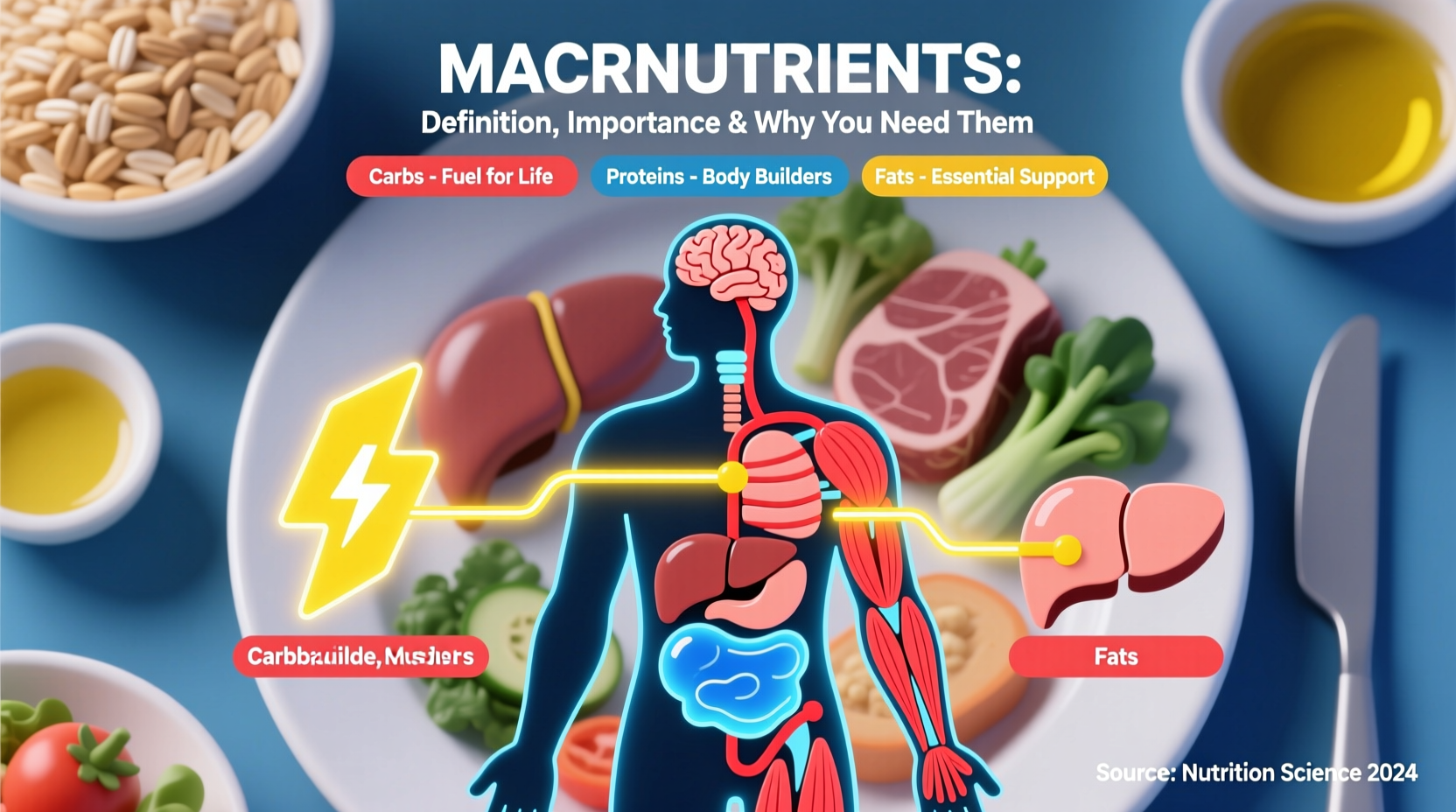
Macronutrients are nutrients that the human body needs in substantial amounts to function properly. They include carbohydrates, proteins, and fats—each playing a distinct role in sustaining life. The term “macro” means large, reflecting both the quantity required and the significant caloric contribution each provides:
- Carbohydrates: 4 calories per gram
- Proteins: 4 calories per gram
- Fats: 9 calories per gram (more than double the others)
These three categories make up the totality of your dietary intake when measured by energy. Alcohol, though not a true macronutrient, also provides calories (7 per gram), but it lacks nutritional value and is not essential.
Your body breaks down macronutrients during digestion into usable forms: glucose from carbohydrates, amino acids from proteins, and fatty acids from fats. These molecules then power everything from muscle contraction to brain activity and hormone synthesis.
The Role and Importance of Each Macronutrient
Carbohydrates: The Body’s Preferred Energy Source
Carbohydrates are the most efficient fuel for high-intensity activities and cognitive function. Found in foods like grains, fruits, vegetables, and legumes, they are classified into simple (sugars) and complex (starches and fiber) types. While simple carbs offer quick energy, complex carbohydrates provide sustained release and contribute to digestive health through fiber.
The brain alone uses about 120 grams of glucose per day under normal conditions. Without adequate carbohydrate intake, mental fatigue, irritability, and reduced physical performance can occur.
Proteins: Building Blocks for Growth and Repair
Proteins are made of amino acids, nine of which are essential—meaning your body cannot produce them and must obtain them from food. Protein supports muscle maintenance, enzyme production, immune function, and tissue repair. It's especially crucial during periods of growth, recovery from injury, or intense training.
High-quality protein sources include lean meats, fish, eggs, dairy, soy, legumes, and quinoa. Consuming protein at each meal helps stabilize blood sugar and promotes satiety, reducing overeating.
Fats: Essential for Hormones, Brain Health, and Absorption
Dietary fat has long been misunderstood. Far from being harmful, healthy fats are critical for absorbing fat-soluble vitamins (A, D, E, K), forming cell membranes, and producing steroid hormones like testosterone and estrogen. Omega-3 and omega-6 fatty acids are essential fats that must come from the diet, with omega-3s known for anti-inflammatory properties and cardiovascular protection.
Sources such as avocados, nuts, seeds, olive oil, and fatty fish like salmon deliver beneficial monounsaturated and polyunsaturated fats. Saturated fats, found in animal products and coconut oil, should be consumed in moderation, while trans fats—common in processed foods—are best avoided entirely.
“Macronutrients aren’t just about calories—they’re the foundation of metabolic health, hormonal balance, and long-term disease prevention.” — Dr. Lena Patel, Registered Dietitian and Nutritional Biochemist
Why You Need All Three Macronutrients Daily
Each macronutrient performs unique physiological functions that cannot be fully replaced by the others. Relying too heavily on one while neglecting another leads to imbalances that affect energy, mood, immunity, and body composition.
For example, very low-carb diets may lead to short-term weight loss but can impair athletic performance and disrupt sleep and hormonal cycles over time. Conversely, extremely low-fat diets hinder vitamin absorption and increase inflammation risk. Similarly, insufficient protein accelerates muscle loss, especially in older adults.
A balanced intake ensures metabolic flexibility—the ability to switch between fuel sources efficiently—and supports sustainable energy levels throughout the day.
Real-Life Example: Maria’s Energy Transformation
Maria, a 34-year-old teacher and part-time runner, struggled with afternoon crashes and slow recovery after workouts. She ate mostly salads with little dressing and avoided bread and rice, believing carbs were “bad.” After consulting a nutritionist, she began incorporating sweet potatoes, quinoa, grilled chicken, and avocado into her meals.
Within two weeks, her energy improved dramatically. She no longer needed caffeine to get through the afternoon, and her running times dropped. Blood work showed better iron absorption and stable blood sugar—all outcomes linked to a more balanced macronutrient profile.
How to Balance Your Macronutrients Effectively
There is no universal ratio that works for everyone. Individual needs depend on age, sex, activity level, health goals, and medical conditions. However, general guidelines from the Dietary Reference Intakes (DRI) recommend:
| Macronutrient | Acceptable Macronutrient Distribution Range (AMDR) |
|---|---|
| Carbohydrates | 45–65% of total daily calories |
| Protein | 10–35% of total daily calories |
| Fats | 20–35% of total daily calories |
To personalize your intake:
- Determine your daily calorie needs based on activity level and goals (e.g., weight loss, maintenance, or gain).
- Use the AMDR ranges to set target percentages.
- Convert grams using: calories ÷ calories per gram (e.g., 180g carbs = 720 kcal from carbs).
- Adjust based on how you feel—energy, hunger, performance, and sleep.
Frequently Asked Questions
Do I need to count macronutrients to be healthy?
No, tracking isn’t necessary for everyone. Many people thrive by focusing on whole, unprocessed foods and intuitive eating. However, macro counting can be useful for specific goals like building muscle, managing diabetes, or preparing for endurance events.
Can you get enough protein on a plant-based diet?
Yes. By combining various plant sources—such as beans, lentils, tofu, tempeh, seitan, nuts, and whole grains—you can meet your amino acid requirements. Including a variety of protein-rich plants throughout the day ensures adequate intake of all essential amino acids.
Are low-carb or keto diets dangerous without enough carbs?
For some individuals, particularly those with certain metabolic conditions or high physical demands, very low carbohydrate intake can lead to fatigue, constipation, nutrient deficiencies, and hormonal disruptions. While ketogenic diets have therapeutic uses (e.g., epilepsy, type 2 diabetes management), they should be approached with care and ideally under medical supervision.
Action Plan: Building a Balanced Plate
Instead of obsessing over numbers, use this simple checklist to ensure balanced macronutrient intake at each meal:
- ✅ Fill half your plate with colorful vegetables and/or fruits (carbohydrates + fiber)
- ✅ Add a palm-sized portion of lean protein (chicken, fish, beans, etc.)
- ✅ Include a source of healthy fat (olive oil, avocado, nuts, or seeds)
- ✅ Add a moderate portion of complex carbs if active (quinoa, brown rice, sweet potato)
- ✅ Drink water and listen to your hunger cues
This approach naturally aligns with recommended macronutrient distributions without requiring constant calculation.
Final Thoughts: Make Macronutrients Work for You
Understanding macronutrients isn't about restriction or rigid rules—it's about empowerment. When you know what your body needs and why, you can make informed choices that support your lifestyle, goals, and well-being. Whether you're an athlete, a busy parent, or someone managing a chronic condition, balancing carbohydrates, proteins, and fats lays the groundwork for lasting health.




 浙公网安备
33010002000092号
浙公网安备
33010002000092号 浙B2-20120091-4
Comments
No comments yet. Why don't you start the discussion?