
Magnesium is a critical mineral involved in over 300 enzymatic reactions in the body, including those that regulate sleep, muscle function, and nervous system balance. Despite its importance, nearly half of Americans don’t meet the recommended daily intake through diet alone. As a result, supplementation has become increasingly common—especially among people struggling with insomnia, nighttime restlessness, or poor sleep quality.
But not all magnesium supplements are created equal. Two of the most widely used forms—magnesium glycinate and magnesium citrate—are often compared for their benefits and tolerability. While both can support relaxation and better sleep, they differ significantly in how they’re absorbed, where they act in the body, and whether they cause gastrointestinal discomfort. For individuals seeking effective sleep support without digestive upset, understanding these differences is essential.
Why Magnesium Matters for Sleep
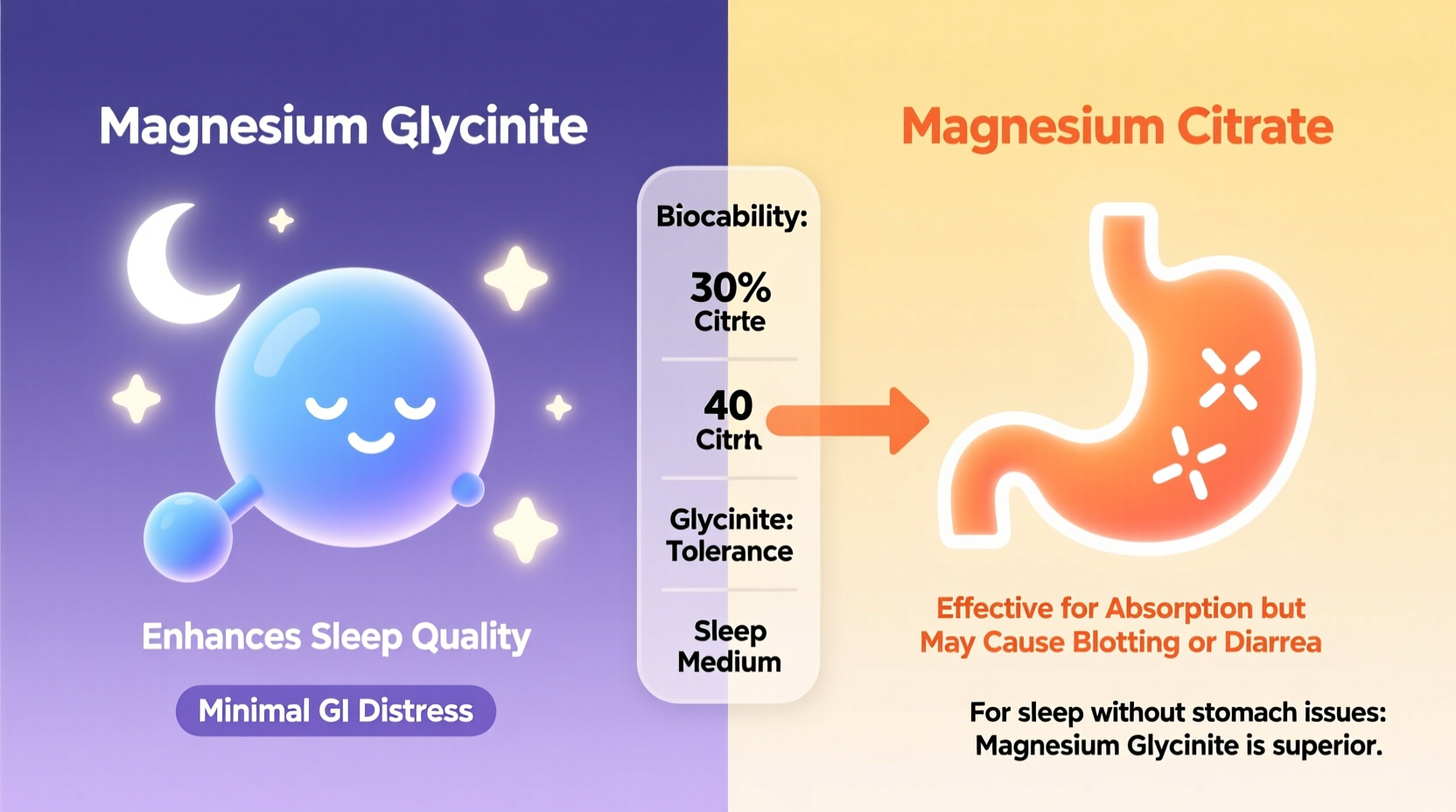
Magnesium plays a direct role in modulating neurotransmitters that influence sleep. It binds to gamma-aminobutyric acid (GABA) receptors, the same calming pathways targeted by many sleep medications and anti-anxiety drugs. GABA reduces neuronal excitability, helping quiet the mind and prepare the body for rest. Low magnesium levels have been linked to fragmented sleep, difficulty falling asleep, and even restless leg syndrome.
Beyond brain chemistry, magnesium also regulates melatonin production—the hormone responsible for signaling nighttime to the body. A deficiency can disrupt circadian rhythms, making it harder to fall asleep at a consistent time. Additionally, magnesium supports muscle relaxation, reducing physical tension that might otherwise keep you awake.
“Magnesium is one of the most underappreciated nutrients when it comes to sleep health. Correcting a deficiency can be as impactful as improving sleep hygiene.” — Dr. Laura Chen, Integrative Neurologist
Magnesium Glycinate: The Gentle Calming Agent
Magnesium glycinate is formed by binding magnesium to glycine, an amino acid with its own calming properties. This chelated form is highly bioavailable, meaning it’s efficiently absorbed in the small intestine without relying on stomach acid. Because of this, it causes minimal irritation to the digestive tract—making it ideal for sensitive individuals.
Glycine itself acts as an inhibitory neurotransmitter. Studies show that supplemental glycine improves subjective sleep quality and reduces daytime fatigue, even in people without diagnosed deficiencies. When combined with magnesium, the dual action enhances relaxation both mentally and physically.
Clinical research supports the use of magnesium glycinate for sleep improvement. In a randomized controlled trial published in the *Journal of Research in Medical Sciences*, older adults with insomnia who took 500 mg of magnesium nightly experienced significant increases in sleep duration, reduced sleep onset latency, and lower cortisol levels compared to placebo.
Magnesium Citrate: Effective but Potentially Disruptive
Magnesium citrate combines magnesium with citric acid. It’s one of the most common forms found in over-the-counter supplements due to its low cost and high solubility. While it’s well-absorbed in the gut, much of the magnesium ends up in the colon rather than being transported into the bloodstream. This leads to a strong osmotic effect—drawing water into the intestines—which explains why citrate is frequently used as a gentle laxative.
For some, this property can be beneficial, especially if occasional constipation interferes with comfort at night. However, for others, especially those with sensitive digestion or irritable bowel syndrome (IBS), magnesium citrate may cause bloating, gas, cramping, or diarrhea—all of which are counterproductive to achieving restful sleep.
While magnesium citrate does raise serum magnesium levels and may contribute to relaxation, its primary action is more systemic and less targeted toward neurological calmness compared to glycinate. Because it doesn't include a calming amino acid like glycine, its sleep-supporting effects are indirect and largely dependent on correcting overall deficiency.
Comparing Key Differences: Glycinate vs Citrate
| Feature | Magnesium Glycinate | Magnesium Citrate |
|---|---|---|
| Bioavailability | High – easily absorbed in small intestine | Moderate – good solubility but lower net retention |
| Digestive Tolerance | Excellent – rarely causes GI upset | Poor to moderate – may cause loose stools or diarrhea |
| Sleep Support Mechanism | Direct – enhances GABA activity via glycine + magnesium | Indirect – corrects deficiency, may relax muscles |
| Laxative Effect | None | Strong – commonly used for constipation relief |
| Best For | Sleep issues, anxiety, muscle cramps, sensitive stomachs | Constipation, general supplementation, short-term use |
| Dosage Range (Elemental Mg) | 100–400 mg per day | 100–350 mg per day |
Real-World Example: Sarah’s Sleep Struggles
Sarah, a 38-year-old project manager, had been waking up multiple times each night and felt groggy in the mornings despite going to bed early. She read about magnesium helping with sleep and started taking a 400 mg magnesium citrate tablet every evening. Within two days, she noticed increased bathroom trips at night and mild abdominal cramping. Although she felt slightly more relaxed, the disrupted sleep from frequent urination and digestive discomfort canceled out any benefit.
After consulting her naturopath, she switched to 200 mg of magnesium glycinate taken an hour before bed. Within a week, her nighttime awakenings decreased, she fell asleep faster, and—critically—she no longer experienced stomach issues. “It was like switching from a noisy fan to white noise,” she said. “The citrate kept me aware of my body; the glycinate helped me forget it and just drift off.”
Choosing the Right Form for Your Needs
Selecting between magnesium glycinate and citrate depends on your goals and tolerance. If your primary concern is improving sleep quality and you want a supplement that won’t interfere with digestion, magnesium glycinate is the superior choice. Its dual mechanism—magnesium plus glycine—targets the nervous system directly, promoting deeper, more restorative sleep without unwanted side effects.
Magnesium citrate may still be appropriate if you struggle with occasional constipation alongside sleep issues, but it should be used cautiously. Taking it earlier in the evening (rather than right before bed) may reduce nocturnal bathroom visits. However, long-term nightly use can lead to dependency or electrolyte imbalances, particularly in older adults.
Checklist: How to Choose the Best Magnesium for Sleep
- ✅ Identify your main goal: Is it sleep, digestion, or both?
- ✅ Assess your digestive sensitivity: Do you experience bloating or diarrhea easily?
- ✅ Look at the label: Check for “glycinate” or “bisglycinate” and avoid fillers like magnesium oxide.
- ✅ Start low: Begin with 100–200 mg of elemental magnesium to assess tolerance.
- ✅ Time it right: Take glycinate 30–60 minutes before bedtime for best results.
- ✅ Monitor symptoms: Track changes in sleep quality, mood, and digestion over 2–4 weeks.
Step-by-Step Guide to Starting Magnesium Supplementation
- Evaluate your current sleep patterns: Keep a simple log for 3–5 nights noting when you fall asleep, wake up, and how rested you feel.
- Rule out other causes: Consider factors like caffeine, screen time, stress, or medical conditions (e.g., sleep apnea) that could be contributing to poor sleep.
- Choose magnesium glycinate: Select a reputable brand offering 100–200 mg of elemental magnesium per capsule.
- Begin with a low dose: Take one capsule 30–60 minutes before bed for the first 3 nights.
- Monitor response: Note any improvements in sleep onset, depth, or morning alertness, as well as any digestive changes.
- Adjust dosage if needed: After a week, increase to 200–400 mg total if benefits are modest and no side effects occur.
- Reassess after 4 weeks: Determine whether sleep quality has improved sustainably and whether continued use is beneficial.
Frequently Asked Questions
Can I take magnesium citrate for sleep if I don’t have stomach issues?
You can, but it’s not ideal. Even in people with healthy digestion, higher doses of magnesium citrate may cause loose stools over time. While it will help correct deficiency, it lacks the targeted neurological support of glycinate. If sleep is your main goal, glycinate remains the better option.
How long does it take for magnesium glycinate to improve sleep?
Some people notice subtle improvements within 3–5 days, especially if they were deficient. More significant changes in sleep continuity and depth typically emerge after 2–4 weeks of consistent use. Individual results vary based on baseline levels, diet, and lifestyle factors.
Is it safe to take magnesium glycinate every night?
Yes, for most people, nightly use of magnesium glycinate at recommended doses (up to 400 mg elemental magnesium) is safe and well-tolerated. Long-term use has not been associated with adverse effects in clinical studies. However, individuals with kidney disease should consult a healthcare provider before starting any magnesium supplement.
Final Thoughts and Recommendation
When comparing magnesium glycinate and citrate for sleep support, the evidence clearly favors glycinate—particularly for those who want effective results without gastrointestinal side effects. Its superior absorption, calming synergy with glycine, and gentle profile make it the top choice for addressing insomnia, nighttime anxiety, and muscle tension.
Magnesium citrate has its place, especially for short-term use in cases of constipation or acute deficiency. But as a nightly sleep aid, its laxative effect often undermines its benefits, leading to disrupted rest rather than improved quality.
If you’ve tried magnesium before and stopped due to stomach discomfort, consider giving magnesium glycinate a try. Many people discover that the right form makes all the difference—not just in how well they sleep, but in how they feel upon waking.




 浙公网安备
33010002000092号
浙公网安备
33010002000092号 浙B2-20120091-4
Comments
No comments yet. Why don't you start the discussion?