
For athletes across sports like football, baseball, lacrosse, and track, eye black is more than a visual signature—it’s a functional tool designed to reduce glare from sunlight and stadium lighting. When applied correctly, it enhances visual clarity, improves focus, and contributes to a commanding presence on the field. Yet, many still treat it as an afterthought, applying it haphazardly without understanding its full potential. Mastering eye black goes beyond tradition; it combines science, precision, and personal expression into one powerful pre-game ritual.
The Science Behind Eye Black: Why It Works
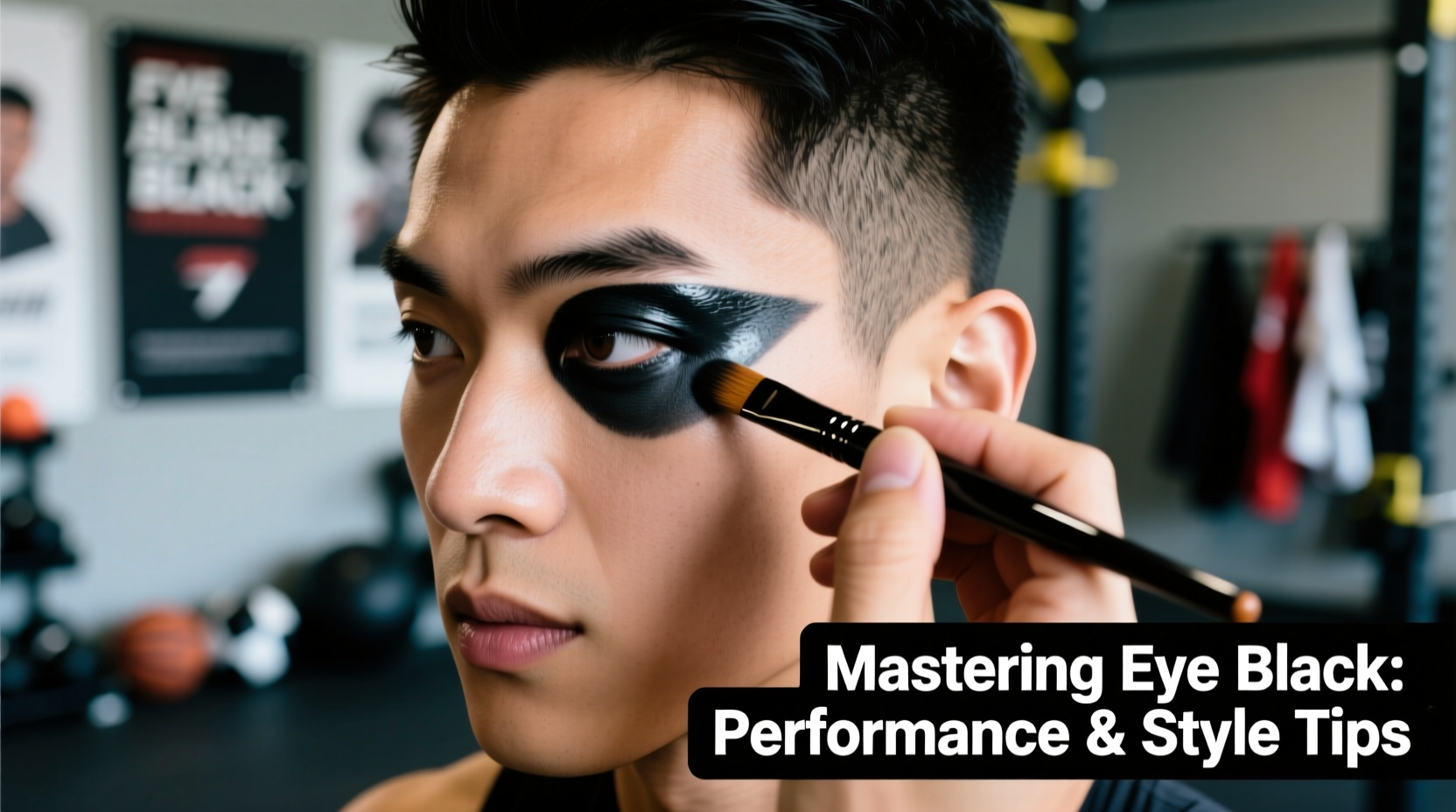
Eye black grease or strips are used primarily to absorb light rather than reflect it. The dark pigment—typically carbon-based—reduces glare by minimizing the amount of ambient light that reflects off the cheekbones and enters the eyes from below. This is especially useful in bright outdoor conditions where overhead sun creates contrast issues for depth perception and tracking fast-moving objects like balls.
A 2003 study conducted at the University of Pennsylvania found that subjects wearing eye black demonstrated improved contrast sensitivity under direct sunlight compared to those without it. While not a substitute for sunglasses, which can distort color and depth, eye black offers a subtle yet measurable advantage in visual performance.
“Eye black isn’t just cosmetic—it’s a low-tech solution with real optical benefits, particularly during midday games.” — Dr. Lena Pruitt, Sports Vision Specialist
Understanding this foundation allows athletes to move beyond superstition and apply eye black with intention, optimizing both function and form.
Choosing the Right Type: Grease vs. Strips vs. Tape
There are three primary forms of eye black, each with distinct advantages depending on sport, environment, and preference:
| Type | Pros | Cons | Best For |
|---|---|---|---|
| Grease (Traditional) | Fully customizable shape, high glare reduction, inexpensive | Can smudge, requires reapplication, messy removal | Football, Baseball (outdoor), Hot climates |
| Adhesive Strips | Clean application, consistent shape, no smudging | Less coverage, may peel in sweat, limited customization | TV appearances, Youth leagues, Quick prep |
| Tape or Transfer Designs | Stylish patterns, logos, messages, long-lasting | Potential irritation, higher cost, less breathable | Motivational messaging, Branding, Special events |
While traditional grease remains the gold standard for maximum functionality, adhesive options offer convenience and consistency—ideal for athletes prioritizing clean presentation without sacrificing all performance benefits.
Step-by-Step Guide to Perfect Application
Applying eye black effectively requires attention to detail. Follow this six-step process for optimal results:
- Cleanse the Skin: Wash your face with a gentle cleanser to remove oil and residue. Dry thoroughly—moisture prevents proper adhesion.
- Mark Placement: Use your fingertip or a stencil to identify the ideal spot: approximately 1 inch below the outer corner of each eye, extending diagonally downward about 2–3 inches.
- Apply Evenly: Scoop a small amount of grease with a clean applicator or finger. Spread in a smooth, even line using downward strokes. Avoid thick clumps.
- Symmetry Check: Look straight ahead in a mirror. Adjust both sides until they match in length, angle, and thickness.
- Set if Needed: In extremely hot or humid conditions, lightly dust around the edges with translucent powder to minimize migration.
- Final Inspection: Blink several times and simulate game movements (e.g., squinting, sweating) to ensure stability before heading out.
For strip users, align the adhesive so the top edge sits just below the zygomatic bone. Press firmly along the entire length to prevent lifting during play.
Enhancing Style Without Sacrificing Function
Modern athletes use eye black as a canvas for self-expression. Messages like “RIP” for lost loved ones, initials, team slogans, or national flags have become common. However, decorative elements should never compromise visibility or comfort.
- Keep designs minimal and avoid covering large areas near the eyes.
- Use non-toxic, dermatologically tested products when applying custom transfers.
- Align patterns symmetrically to maintain a balanced appearance.
- In regulated sports, verify league rules—some prohibit written messages or symbols.
Style and substance aren't mutually exclusive. A clean, well-placed stripe conveys discipline and focus, while a meaningful symbol adds emotional weight to performance.
Common Mistakes and How to Avoid Them
Even experienced athletes make errors that diminish effectiveness or create distractions. Below are frequent missteps and their solutions:
| Mistake | Consequence | Solution |
|---|---|---|
| Applying too close to the eye | Irritation, risk of transfer to eyeball | Stay at least ½ inch below the cheekbone |
| Using excessive product | Smudging, dripping, unprofessional look | Start small—you can add, but can’t remove easily |
| Ignoring skin type | Breakouts, poor adhesion on oily skin | Use hypoallergenic formulas; blot excess oil beforehand |
| Skipping removal | Clogged pores, acne, staining | Wash off immediately post-game with facial cleanser |
“I once saw a player spend ten minutes wiping grease from his brow between drives. A little prep saves big time—and keeps you looking sharp.” — Marcus Daley, High School Football Coach
Real-World Example: From Rookie Error to Game-Day Ritual
Jalen Reed, a sophomore wide receiver at Lincoln High, struggled with afternoon sun glare during games. Early in the season, he smeared eye black unevenly—sometimes skipping it altogether. After dropping two catchable balls due to misjudged trajectories, his coach suggested refining his routine.
Jalen began practicing application at home using a mirror and stopwatch. He switched to a matte-finish grease formulated for long wear and started incorporating a quick symmetry check into his pre-game warm-up. Within three weeks, teammates noticed not only cleaner lines but sharper route running. By midseason, he credited his improved focus partly to the mental cue that precise eye black provided—a signal that he was locked in.
His transformation wasn’t just physical; it was psychological. The act of deliberate preparation elevated his mindset, turning a simple smear of grease into a ritual of readiness.
FAQ: Your Eye Black Questions Answered
Can eye black improve night vision?
No, eye black is designed to reduce glare from bright light sources, not enhance low-light vision. Its benefits are most pronounced in daylight or under intense artificial lighting.
Is homemade eye black safe?
Not recommended. DIY versions using charcoal or shoe polish may contain irritants or toxins. Always use products specifically formulated for facial use and approved by dermatological standards.
How do I remove stubborn eye black?
Use a gentle facial cleanser or makeup remover wipe. For grease, apply circular motions with a soft cloth. Avoid harsh scrubbing, which can irritate sensitive skin.
Conclusion: Elevate Your Game, One Stripe at a Time
Mastering eye black application is about more than aesthetics—it's about harnessing a simple tool to sharpen focus, reduce environmental distractions, and project confidence. Whether you're drawing your first line of grease or refining a decade-long routine, precision matters. Every detail, from product choice to placement, contributes to peak performance and professional presence.




 浙公网安备
33010002000092号
浙公网安备
33010002000092号 浙B2-20120091-4
Comments
No comments yet. Why don't you start the discussion?