
Making ice cream at home is more than a kitchen experiment—it’s an art that blends science, patience, and creativity. With the right techniques, even a simple custard base can transform into silky, rich scoops that rival any premium brand. Whether you have an ice cream maker or are working with basic household tools, mastering homemade ice cream opens the door to endless flavor combinations and a deeper appreciation for texture and balance.
The Science Behind Smooth Ice Cream
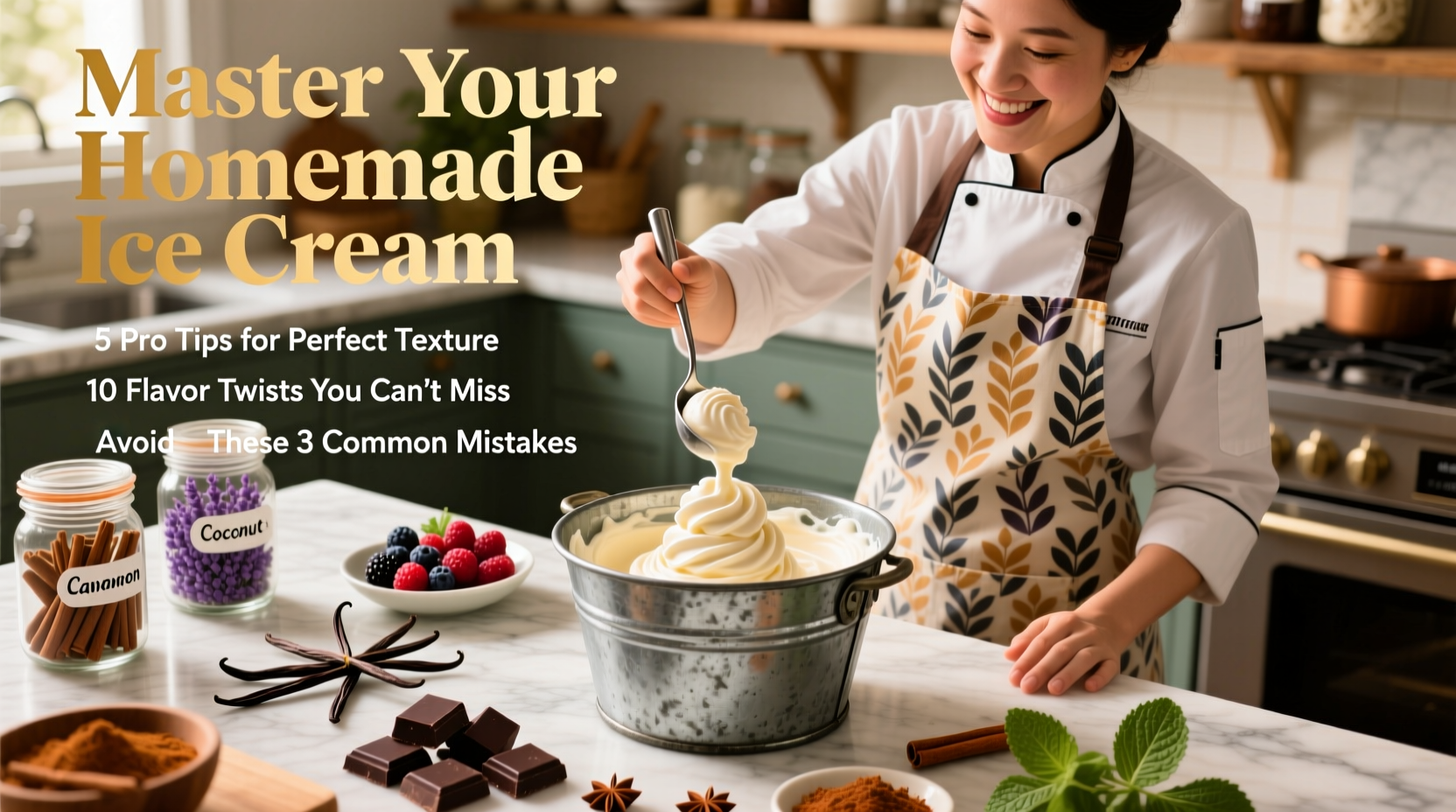
The quality of homemade ice cream hinges on understanding fat, sugar, air, and temperature. Fat—usually from heavy cream and egg yolks—provides richness and helps stabilize the mixture. Sugar not only sweetens but also lowers the freezing point, preventing the ice cream from becoming a solid block. Air, incorporated during churning, gives lightness. Too little, and it’s dense; too much, and it melts too quickly.
Temperature control is critical. The faster the base freezes, the smaller the ice crystals, resulting in a smoother texture. This is why pre-chilling your mixture and using a well-frozen ice cream machine bowl makes such a difference.
Essential Equipment and Alternatives
A dedicated ice cream maker simplifies the process, but it’s not mandatory. Here’s what you need based on your setup:
| Equipment | Best For | Alternative Methods |
|---|---|---|
| Electric Ice Cream Maker | Consistent churning, large batches | N/A |
| Freezer-Safe Container + Fork | No-machine method | Stir every 30 minutes for 3–4 hours |
| Blender or Food Processor | Sorbet or frozen banana-based creams | Blend frozen fruit with liquid sweeteners |
| Thermometer | Custard-based recipes | Use visual cues like coating the back of a spoon |
If you don’t own a machine, the “stir-and-freeze” method works surprisingly well. Pour the chilled base into a shallow metal pan, freeze for 30 minutes, then stir vigorously with a fork to break up ice crystals. Repeat every half hour until set.
Step-by-Step Guide to Classic Vanilla Bean Ice Cream
This foundational recipe yields about 1 quart and serves as a blank canvas for customization.
- Heat 2 cups heavy cream, 1 cup whole milk, and 1 split vanilla bean (scraped) in a saucepan until steaming but not boiling.
- In a bowl, whisk 6 egg yolks with ¾ cup granulated sugar until pale and thick.
- Slowly temper the yolks by pouring a ladle of hot cream into them while whisking constantly. Then pour the mixture back into the saucepan.
- Over low heat, cook gently, stirring constantly, until the custard coats the back of a spoon (about 170°F / 77°C).
- Strain through a fine-mesh sieve into a clean bowl. Stir in 1 teaspoon vanilla extract.
- Cover and refrigerate for at least 4 hours or overnight.
- Churn in an ice cream maker according to manufacturer’s instructions (typically 20–25 minutes).
- Transfer to a lidded container, press parchment paper on the surface, and freeze for 4+ hours before serving.
Creative Flavor Ideas and Mix-In Strategies
Once you’ve mastered the base, experimentation begins. The key is balancing intensity and texture. Strong flavors should be concentrated; mix-ins must complement the creaminess without sinking or freezing solid.
- Salted Caramel Swirl: Drizzle warm salted caramel sauce into the churned ice cream during the last minute of churning.
- Mint Chocolate Chip: Use high-quality peppermint extract (start with ½ tsp) and fold in chopped dark chocolate after churning.
- Lemon Curd Ripple: Swirl in homemade lemon curd for tangy bursts in a creamy base.
- Coffee Toffee: Steep coarsely ground coffee in warm cream, strain, and add crushed toffee bits.
- Bourbon Peach: Simmer ripe peaches with a splash of bourbon, purée, and layer into vanilla base.
For swirls, use a slightly thicker sauce than you think necessary—thin ones disappear into the cream. Fold in chunky ingredients gently to avoid deflating the churned mixture.
“Homemade ice cream allows for precision in flavor development. You’re not just making dessert—you’re crafting experience.” — Clara Nguyen, Artisan Gelato Chef
Avoiding Common Pitfalls
Even experienced home cooks encounter issues. Recognizing these problems early improves consistency.
| Issue | Causes | Solutions |
|---|---|---|
| Grainy or icy texture | Insufficient chilling, slow freezing | Chill base longer; use shallow pans for faster freezing |
| Too hard when frozen | Low fat/sugar, no stabilizer | Add 1 tbsp alcohol or 1 tsp corn syrup |
| Weird metallic taste | Over-churning or poor-quality machine | Follow recommended churn time; clean machine thoroughly |
| Separation or buttering | Over-churning high-fat bases | Stop churning once soft-serve consistency is reached |
Real Example: From Failed First Batch to Family Favorite
Jamie, a home baker in Portland, tried making ice cream for her daughter’s birthday. Her first attempt—using a boiled custard she didn’t chill—resulted in a gritty, yellow slush. Discouraged, she researched further and learned about tempering and resting. On her second try, she chilled the base for 12 hours and added a bit of corn syrup. The result? A velvety chocolate-hazelnut ice cream that became a summer staple. Now, she hosts monthly “ice cream nights” with rotating flavors voted on by her kids.
Her turnaround wasn’t magic—it was attention to detail and willingness to learn from mistakes.
Checklist: Perfect Homemade Ice Cream in 7 Steps
- ▢ Choose your base: custard, Philadelphia-style (no eggs), or vegan (coconut milk)
- ▢ Measure ingredients precisely, especially sugar and fat
- ▢ Heat and temper custards carefully if using eggs
- ▢ Chill the base for at least 4 hours (overnight preferred)
- ▢ Pre-freeze your machine bowl for 24 hours
- ▢ Churn until soft-serve consistency (don’t overdo it)
- ▢ Store in an airtight container with parchment pressed on top
Frequently Asked Questions
Can I make ice cream without an ice cream maker?
Yes. Use the “stir-and-freeze” method: pour the chilled base into a shallow dish, freeze for 30 minutes, then stir vigorously with a fork to disrupt ice formation. Repeat every 30 minutes for 3–4 hours. The result is slightly denser but still delicious.
Why does my ice cream get icy after a few days?
Temperature fluctuations in the freezer cause ice crystals to grow. To prevent this, store ice cream in the back of the freezer (not the door), use airtight containers, and place a piece of parchment directly on the surface to limit air exposure.
How can I make dairy-free ice cream creamy?
Use full-fat coconut milk or cashew cream as a base. Add 1 tablespoon of cornstarch or arrowroot during heating to improve texture. Avoid watery plant milks like almond unless combined with thickeners.
Final Thoughts and Inspiration
Mastering how to make ice cream at home isn’t about perfection—it’s about exploration. Every batch teaches something new, whether it’s the ideal sugar ratio for strawberry or how mint extract behaves over time. The joy lies in the process: smelling vanilla beans bloom in warm cream, watching the mixture thicken on the stove, and seeing loved ones’ faces light up with the first spoonful.
Start with a classic, refine your technique, then branch out. Try infusing tea, roasting stone fruits, or folding in homemade cookie dough. Your freezer doesn’t just hold dessert—it holds possibility.




 浙公网安备
33010002000092号
浙公网安备
33010002000092号 浙B2-20120091-4
Comments
No comments yet. Why don't you start the discussion?