
Sharing a link on Facebook might seem straightforward—paste the URL, add a comment, hit post. But if your goal is real engagement, not just visibility, the approach matters far more than you think. Whether you're promoting a blog, product, event, or cause, the way you share a link can determine whether it's ignored, scrolled past, or shared further by others. With over 2.9 billion monthly active users, Facebook remains one of the most powerful platforms for digital outreach. Yet, only a fraction of posts achieve meaningful interaction. The difference lies in strategy.
This guide breaks down the practical, proven methods for sharing Facebook links in a way that captures attention, encourages clicks, and drives conversations. From optimizing timing to crafting compelling text, every detail contributes to performance.
Why Most Shared Links Fail to Gain Traction
Many users assume that simply posting a link equates to promotion. In reality, over 70% of shared links receive little to no engagement, according to social media analytics firm Rival IQ. Common pitfalls include vague captions, poor timing, lack of context, and failure to align with audience interests.
Facebook’s algorithm prioritizes content that sparks meaningful interactions—comments, reactions, shares. A plain link dump with “Check this out” does not qualify. Instead, successful link-sharing integrates storytelling, relevance, and intent.
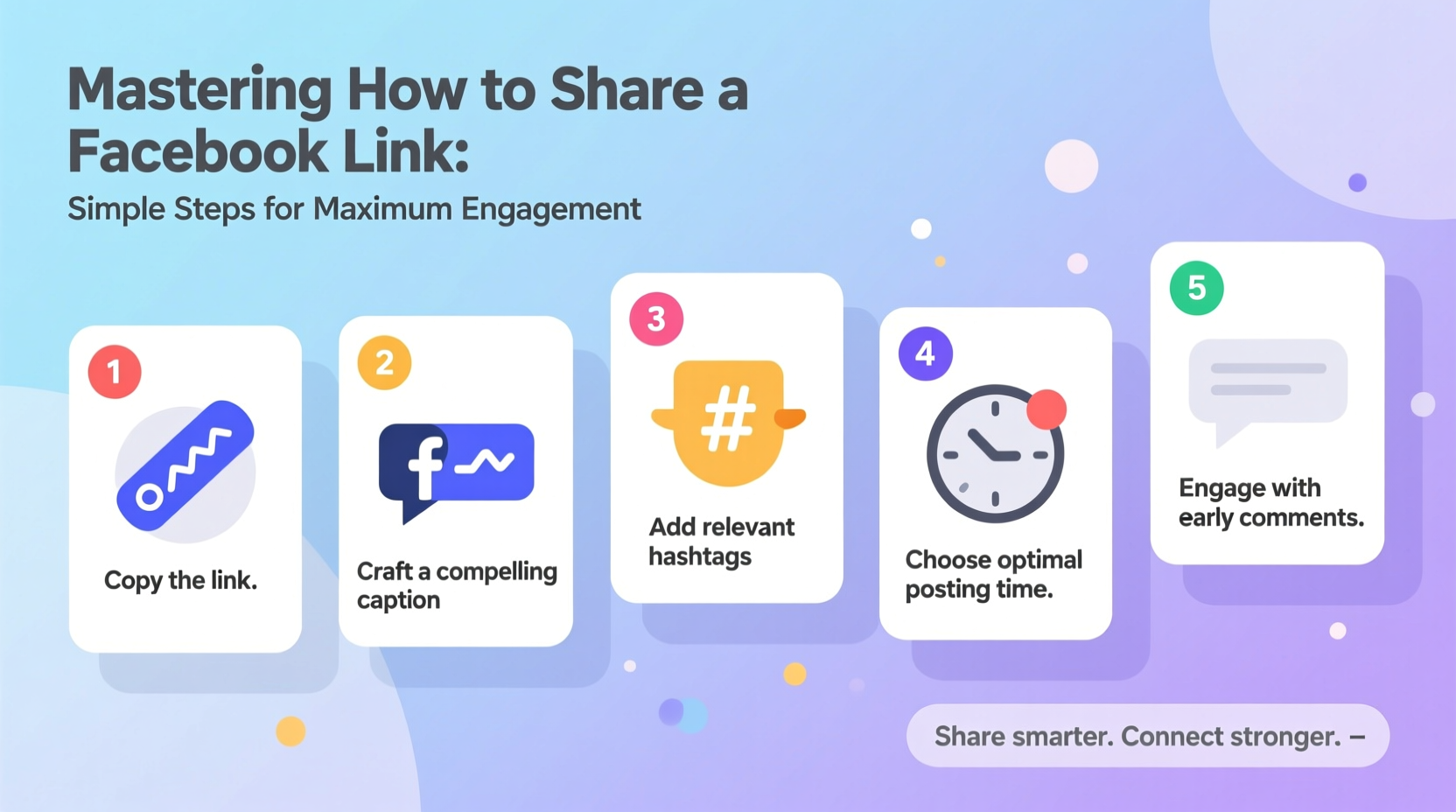
A Step-by-Step Guide to Sharing a High-Engagement Facebook Link
- Craft a compelling caption: Begin with a hook—a question, bold statement, or relatable observation. For example, instead of “New blog post,” try “I made this mistake for years—here’s what actually works.”
- Add context: Explain why the link is relevant. Share a personal insight, statistic, or short takeaway that previews the content.
- Use concise, action-oriented language: Phrases like “Learn how,” “Discover why,” or “See the results” encourage engagement.
- Tag relevant people or pages: If the content references someone, tag them. This increases visibility through their network.
- Choose the optimal time to post: Data shows peak engagement occurs Tuesday through Thursday between 9 AM and 3 PM local time.
- Encourage interaction: End with a question: “Have you tried this?” or “What would you add?” This prompts comments, which signal quality to Facebook’s algorithm.
- Pin the post (for Pages): If managing a business or community page, pinning the link post keeps it at the top of your profile for greater exposure.
Optimizing Your Post for Algorithmic Visibility
Facebook’s algorithm favors content that keeps users on the platform longer and promotes interaction. Simply sharing a link isn’t enough—you must structure the post to trigger engagement signals.
The preview image and headline pulled from the URL are automatically generated, but you can control them using tools like Facebook’s Sharing Debugger. Updating metadata ensures your link displays an attractive image and accurate title—not a random screenshot or broken text.
| Element | Best Practice | Common Mistake |
|---|---|---|
| Caption Length | 1–2 sentences + question | Overly long or too vague |
| Link Preview | Clear image, readable headline | Low-res image, truncated title |
| Posting Time | Tue–Thu, 9 AM–3 PM | Weekends, late nights |
| Call to Action | “What do you think?” or “Save this for later” | No CTA |
“We’ve seen a 3x increase in click-through rates just by rewriting captions to focus on user benefit rather than self-promotion.” — Dana Reyes, Social Media Strategist at Bloom Digital
Real Example: How a Small Blog Tripled Its Traffic
Sophie runs a wellness blog focused on sustainable living. She used to share new articles with a simple message: “My latest post is live!” Engagement was minimal—usually 2–3 likes and no comments.
After revising her approach, she began sharing with context: “I used to buy plastic-wrapped produce without thinking—until I learned how much waste one household creates weekly. I switched to three simple swaps (one costs under $5) and cut my kitchen trash in half. Here’s exactly how I did it.”
She followed up with a question: “Which swap would be easiest for you to try?” Within 48 hours, the post received 147 likes, 32 comments, and 18 shares. Her blog traffic from Facebook increased by 220% that week.
The change wasn’t in the content—it was in the framing.
Essential Checklist Before Sharing Any Facebook Link
- ✅ Verify the link works and redirects properly
- ✅ Use Facebook’s Sharing Debugger to refresh and preview the thumbnail and title
- ✅ Write a custom caption that adds value beyond the headline
- ✅ Include a clear reason for clicking (“You’ll learn X,” “This solved Y for me”)
- ✅ Add a conversational prompt to invite comments
- ✅ Tag relevant individuals, organizations, or communities if applicable
- ✅ Schedule or post during high-engagement windows (Tue–Thu, mid-morning to early afternoon)
- ✅ Monitor responses and reply to comments within the first few hours
Frequently Asked Questions
Can I edit a shared link after posting?
Yes, but with limitations. You can edit the caption, tags, and audience, but you cannot change the URL itself. If the wrong link was shared, delete the post and re-share with the correct one. Use Facebook’s Sharing Debugger to refresh metadata if the preview appears incorrectly.
Why doesn’t my link show a preview image?
This usually happens when the website lacks proper Open Graph tags or when Facebook hasn’t cached the content yet. Use the Facebook Sharing Debugger to fetch updated information. Also, ensure the linked page has a valid, publicly accessible image (recommended size: 1200×630 pixels).
Should I use hashtags when sharing a link?
Sparingly. One to two relevant hashtags can improve discoverability, especially for public posts. Overuse (more than three) appears spammy and may reduce reach. Focus on niche-specific tags like #SustainableLiving or #DigitalMarketingTips rather than generic ones like #love or #viral.
Final Thoughts: Turn Passive Shares Into Active Conversations
Sharing a Facebook link is not a technical checkbox—it’s a communication opportunity. Every post should aim to inform, resonate, or inspire action. When done right, a single well-crafted share can spark discussions, introduce your content to new audiences, and strengthen your online presence.
The most effective shares don’t feel like promotions. They feel like recommendations from a trusted friend. That authenticity comes from intentionality: knowing your audience, respecting their time, and offering something worth their attention.




 浙公网安备
33010002000092号
浙公网安备
33010002000092号 浙B2-20120091-4
Comments
No comments yet. Why don't you start the discussion?