
Dressing well for social events isn’t about extravagance—it’s about precision. The right outfit communicates confidence, attention to detail, and respect for the occasion. Among the most versatile yet underutilized pieces in a modern man’s wardrobe is the short coat. Whether it’s a tailored overcoat, a sleek bomber, or a minimalist trench, a well-chosen short coat can define your silhouette and elevate your entire look. But wearing one effectively requires more than just throwing it on over a suit. It demands coordination, proportion awareness, and an understanding of context.
From rooftop cocktail parties to intimate dinners and gallery openings, social events demand sartorial balance—style without stiffness, elegance without effort. This guide breaks down how to master that balance using the short coat as your anchor piece.
The Role of the Short Coat in Modern Social Dressing
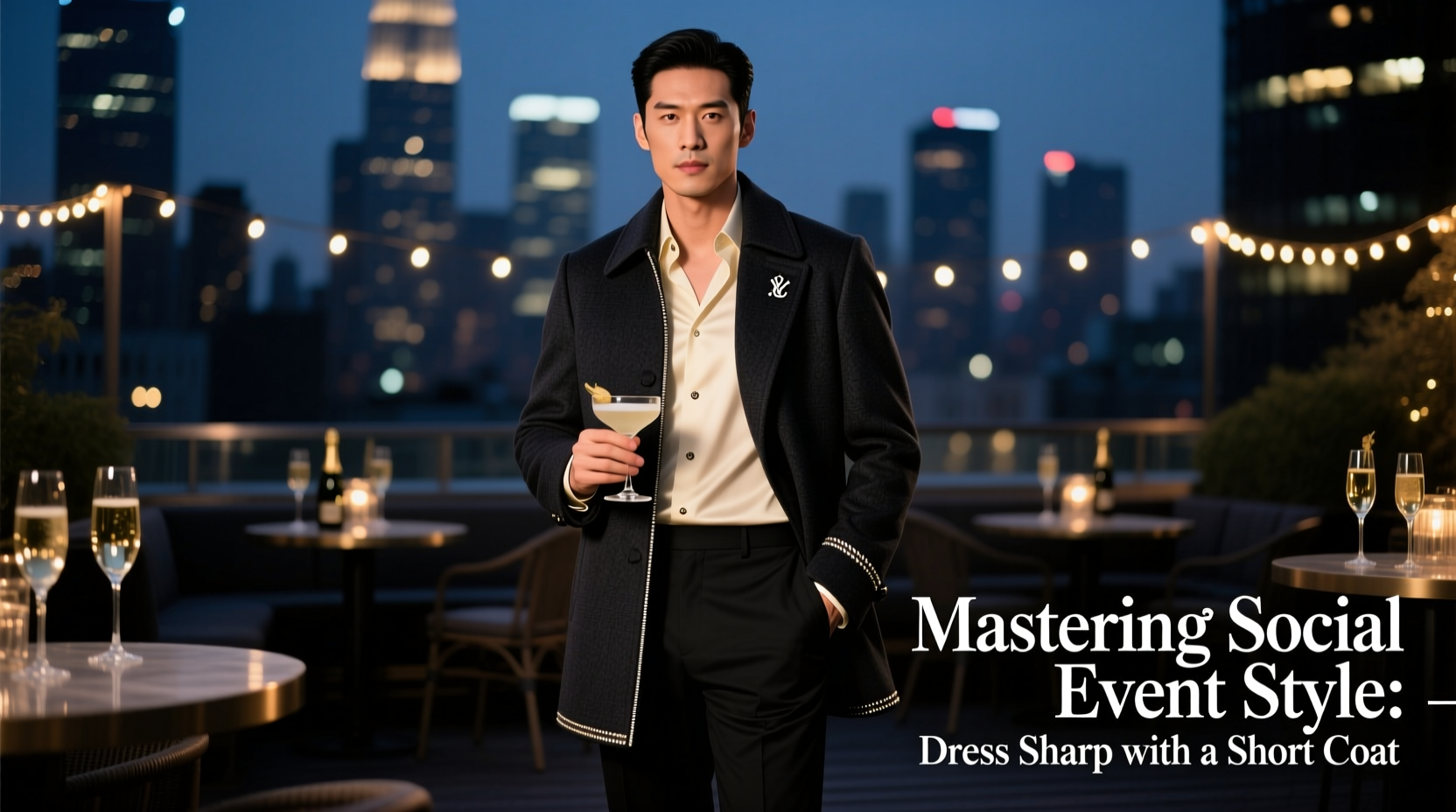
A short coat—typically ending at or above the hip—offers mobility and visual lightness compared to longer overcoats. Its cropped length draws attention to the waist and shoulders, emphasizing structure and posture. Unlike full-length coats that can dominate a frame, a short coat integrates seamlessly into layered ensembles, making it ideal for transitional weather and indoor-outdoor settings common at social gatherings.
Historically, short coats have been staples in military, aviation, and urban fashion—from the classic pea coat to the aviator jacket. Today, designers reinterpret them in wool blends, technical fabrics, and even vegan leathers, broadening their appeal across formality levels. When chosen wisely, a short coat doesn’t just protect from the elements; it becomes part of your identity in a room.
“Fit is everything. A short coat should enhance your shape, not fight it. One inch too long or too tight ruins the effect.” — Julian Reed, Menswear Stylist & Creative Director at Reed & Oak
Choosing the Right Short Coat for the Occasion
Not all short coats are created equal. The key is matching the style to the event’s tone and environment.
- Cocktail Events: Opt for a structured wool or cashmere-blend short coat in navy, charcoal, or black. Look for clean lines, minimal hardware, and a tailored fit that mirrors your suit’s shoulders.
- Casual Gatherings: A leather bomber, field jacket, or chore coat works well. These add edge without overwhelming smart-casual attire like chinos and Oxford shirts.
- Winter Soirées: Choose insulated materials—such as melton wool or shearling-lined designs—with water-resistant finishes. Darker tones project sophistication in low lighting.
Material Matters: What Works Best
Fabric determines both durability and aesthetic impact. Consider these options:
| Material | Best For | Avoid If |
|---|---|---|
| Wool/Cashmere Blend | Formal events, cold weather | Rainy environments (absorbs moisture) |
| Technical Nylon | Urban settings, unpredictable weather | Black-tie adjacent events (can look sporty) |
| Leather (Lambskin or Cowhide) | Cocktail hours, evening outings | Very hot climates (retains heat) |
| Cotton Twill | Spring/summer soirées, garden parties | Heavy rain or wind |
Perfect Pairing: Coordinating Your Outfit Around the Coat
The short coat should complement, not compete with, the rest of your ensemble. Think of it as the punctuation mark at the end of a well-written sentence—emphasizing, not interrupting.
Start with the base layer: a well-fitted shirt or sweater. For formal settings, pair a crisp white dress shirt with a dark tie and slim-fit trousers. Add a waistcoat if the venue leans traditional. Over this, the short coat acts as a finishing shell—visible only at the collar, cuffs, and hem, framing your torso without concealing your outfit.
In smart-casual contexts, try a merino turtleneck with selvedge denim and Chelsea boots. A matte-finish bomber or Harrington jacket completes the look with understated polish.
Proportions That Work
Because short coats sit higher on the body, they highlight midsection proportions. Follow these guidelines:
- The hem should end between the top of the thigh and bottom of the ribcage.
- Sleeves must allow full wrist exposure when arms are down—no riding up over shirt cuffs.
- Shoulders should align exactly with your natural shoulder line; no drooping or padding bulges.
- Button stance (position of the main closure) should fall at your natural waist for a balanced silhouette.
“When I styled a client for a charity gala last winter, we used a midnight-blue short wool coat over a midnight tuxedo. Same color family, different textures. The result? He looked intentional, not overdressed.” — Lena Torres, Personal Stylist & Contributor, *Style Quarterly*
Step-by-Step Guide: Building Your Event Look with a Short Coat
Follow this five-step process to ensure cohesion and impact:
- Assess the Dress Code: Is it black tie optional, cocktail, or creative casual? Adjust fabric and formality accordingly.
- Select Base Layers: Begin with shirt, tie (if needed), and trousers. Ensure all pieces are wrinkle-free and properly fitted.
- Add Mid-Layer (Optional): A cardigan, vest, or lightweight blazer adds depth in cooler settings.
- Choose the Short Coat: Match its color to either your trousers or shoes for continuity. Navy coats go with gray suits; black bombers work with dark denim.
- Final Touches: Pocket square, watch, polished shoes. Avoid bulky gloves or oversized bags that disrupt the streamlined look.
Real Example: James at the Art Gallery Opening
James was invited to a downtown art gallery launch—a semi-formal event with wine, conversation, and curated visuals. He wanted to look put-together but not stiff. His solution?
He wore a charcoal merino sweater tucked into high-waisted taupe trousers with brown suede loafers. Over this, he draped a caramel-hued suede trucker-style short coat with horn buttons. The coat’s earthy tone warmed up the monochrome base, while its rugged texture contrasted elegantly with the smooth knitwear. He carried a slim leather portfolio instead of a bag, reinforcing a clean profile.
Multiple guests commented on his look. “You look like you stepped out of a magazine,” one said. James hadn’t spent extravagantly—he’d simply coordinated thoughtfully around a single standout piece: the short coat.
Dos and Don’ts of Wearing a Short Coat to Social Events
| Do | Don’t |
|---|---|
| Match your coat’s formality to the event | Wear a puffer jacket to a wine tasting |
| Ensure the coat fits snugly through the chest | Let it gape open when buttoned |
| Use it to transition between indoor and outdoor spaces | Keep it on during dinner unless extremely cold |
| Store it on a wide wooden hanger overnight | Fold it tightly in a hotel closet |
| Coordinate metal accents (buttons, belt buckle) | Mix gold and silver hardware carelessly |
FAQ
Can I wear a short coat with a suit?
Yes—provided the coat is tailored and made from a refined material like wool or cashmere. Avoid casual styles like denim or nylon jackets. The coat should be slightly looser than the suit to allow comfortable layering without distorting the suit’s shape.
Is a short coat appropriate for black-tie events?
Only if it’s a formal over-jacket in black or midnight navy, worn briefly outdoors. Inside, remove it. Traditional opera coats or cape-style wraps are more suitable for full black-tie adherence.
How do I keep my short coat looking fresh?
Brush wool coats weekly with a garment brush. Spot-clean stains immediately. Store on a proper hanger in a breathable cotton garment bag. Leather versions need periodic conditioning to prevent cracking.
Checklist: Preparing Your Short Coat for a Social Event
- ✔️ Confirm the event’s dress code
- ✔️ Steam or press the coat to remove wrinkles
- ✔️ Check for loose buttons or fraying seams
- ✔️ Polish shoes that match the coat’s tone
- ✔️ Test layering with your intended outfit (sit, move, raise arms)
- ✔️ Pack a compact lint roller for quick touch-ups
Conclusion: Own the Room with Intentional Style
Dressing sharp at social events isn’t about following trends—it’s about mastering fundamentals with confidence. The short coat, when selected and worn with purpose, becomes more than outerwear. It’s a statement of control, timing, and personal flair. From the precision of the fit to the harmony of textures and tones, every detail contributes to how you’re perceived.
You don’t need a closet full of coats. You need one excellent short coat—and the knowledge to wear it right. Start small: refine one look, test it at a low-stakes gathering, then build from there. Style grows through practice, not perfection.




 浙公网安备
33010002000092号
浙公网安备
33010002000092号 浙B2-20120091-4
Comments
No comments yet. Why don't you start the discussion?