
A well-set table does more than hold plates and cutlery—it sets the tone for the entire meal. Whether hosting a relaxed brunch or an elegant dinner party, the way you arrange your table communicates thoughtfulness, respect for your guests, and attention to detail. Mastering table settings is not about rigid rules but understanding principles that adapt to your style and occasion. With the right foundation, you can confidently create arrangements that are both functional and beautiful.
The Foundation: Understanding Place Settings
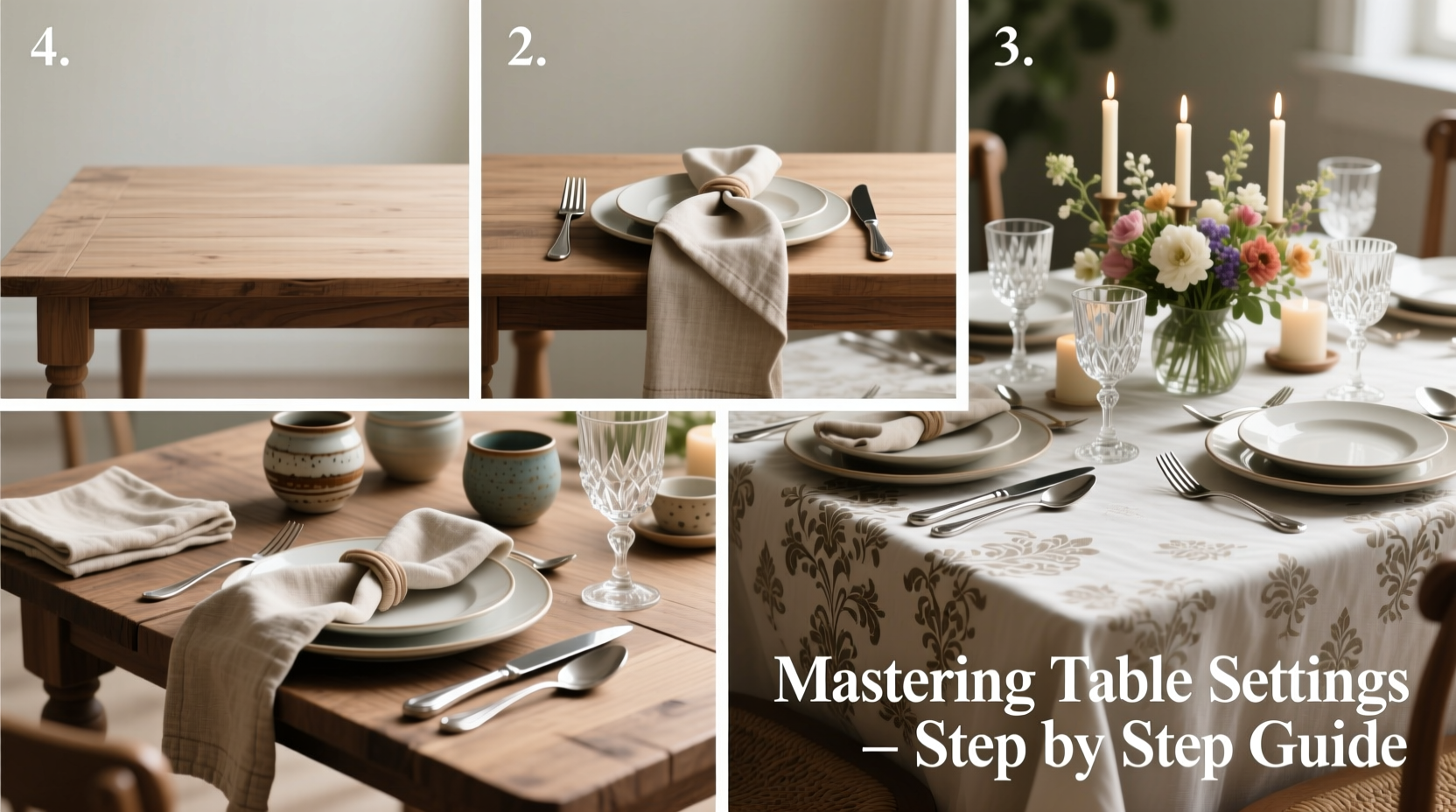
Every table setting begins with a place setting—the arrangement of dishes, glassware, and utensils for one guest. There are three primary types: informal (casual), formal, and buffet-style. The key difference lies in the number of elements and their placement.
In a casual setting, simplicity reigns. You’ll typically include a dinner plate, fork, knife, spoon, and one glass. A formal setting expands this to multiple courses, each with its own utensils and glassware. The guiding principle is “work from the outside in”—meaning the outermost utensil is used first, progressing inward as the meal advances.
Step-by-Step Guide to Setting a Table
Follow this logical sequence to build a balanced and correct table setting, whether casual or formal.
- Start with a clean tablecloth or runner. Choose fabric based on formality—linen for elegance, cotton for casual meals.
- Place the charger (if using). This decorative base goes under the dinner plate in formal setups. Remove it before dessert in multi-course meals.
- Center the dinner plate. Position it about an inch from the bottom edge of the table.
- Arrange flatware in order of use. Forks go to the left, knives and spoons to the right. Dessert utensils may be placed above the plate.
- Add glassware. Place the water glass directly above the knife. Additional glasses (white wine, red wine, champagne) go to the right in order of use.
- Set the napkin. Fold neatly and place either to the left of the forks, on the plate, or inside a glass.
- Include bread plate and butter knife. The bread plate sits above the forks, slightly to the left. The butter knife rests diagonally across it.
- Add finishing touches. Include place cards, centerpieces, and candles—ensuring they don’t obstruct conversation.
Common Mistakes to Avoid
- Crowding the table with oversized centerpieces
- Mixing metal finishes (e.g., gold forks with silver knives)
- Placing too many utensils, confusing guests
- Forgetting left-handed guests when positioning bread plates
Casual vs. Formal: Key Differences at a Glance
Understanding the distinctions between casual and formal settings helps you adapt quickly to different events. The following table outlines core differences:
| Element | Casual Setting | Formal Setting |
|---|---|---|
| Dinner Plate | One plate only | May include charger, salad plate, dessert plate later |
| Flatware | Fork, knife, spoon only | Multiple forks (salad, fish, dinner), soup spoon, dessert spoon/knife |
| Glassware | Water glass or tumbler | Water, red wine, white wine, champagne glasses |
| Napkin | Folded to the left or on plate | Elaborately folded, sometimes with ring or tucked in glass |
| Centerpiece | Low bowl with fruit or single candle | Tall floral arrangement or candelabra (kept low enough to see over) |
Real Example: Hosting a Dinner Party
Sophia planned a six-course anniversary dinner for her parents. She wanted elegance without intimidation. She began by sketching her layout: white linen tablecloth, ivory charger plates, and crystal water and wine glasses. Each place had a salad fork, fish fork, dinner fork, butter knife, dinner knife, soup spoon, and teaspoon—arranged correctly from outside in.
To avoid confusion, she printed minimalist menu cards listing each course beside the corresponding utensil. Napkins were folded into fans and placed on the charger. The centerpiece was a low arrangement of white roses and eucalyptus, ensuring guests could see each other. The result? Her parents praised not just the food, but the atmosphere—calm, refined, and welcoming.
“Table setting is silent hospitality. It tells your guests they’re valued before a word is spoken.” — Clara Renner, Etiquette Consultant & Author of *The Thoughtful Host*
Essential Checklist for Every Table Setting
Use this checklist to ensure nothing is overlooked before guests arrive:
- ✅ Tablecloth or runner pressed and stain-free
- ✅ Enough chairs spaced comfortably (minimum 24 inches per guest)
- ✅ Correct number of place settings (include extras in case of spills)
- ✅ Utensils polished and properly aligned (edges even, spacing consistent)
- ✅ Glasses spotless and arranged in proper order
- ✅ Napkins uniformly folded and positioned
- ✅ Bread plates and butter knives placed correctly
- ✅ Centerpiece low enough for eye contact across the table
- ✅ Place cards (if used) spelled correctly and logically seated
- ✅ Lighting warm and inviting (candles lit or soft overhead light)
Frequently Asked Questions
How far in advance should I set the table?
For casual meals, setting the table an hour before guests arrive is sufficient. For formal events, prepare the night before—but wait to place perishable items like napkins or flowers until the day of. This prevents wrinkling, dust accumulation, or wilting.
What if I don’t have enough matching china or silverware?
Mismatched pieces aren’t a dealbreaker. In fact, curated eclecticism can add charm to casual gatherings. Stick to a cohesive color palette (e.g., all white or neutral tones) and consistent metal finish. For formal events, consider renting additional pieces—it’s more affordable than you might think.
Where does the dessert spoon go?
The dessert spoon and fork are typically placed horizontally above the dinner plate, with the fork handle pointing right and the spoon handle pointing left. Alternatively, they can be brought out with the dessert course, which avoids cluttering the initial setup.
Final Thoughts: Elevate Every Meal
Mastering table settings isn’t about perfection—it’s about intention. A thoughtfully arranged table shows care, creates comfort, and enhances the dining experience. Whether you're serving pancakes on a Sunday morning or filet mignon at a holiday feast, the way you set the table reflects your role as a host.
Start with the basics, practice regularly, and gradually incorporate more elements as you grow confident. Remember, even small details—a neatly folded napkin, aligned forks, a flickering candle—can transform an ordinary meal into a memorable moment.




 浙公网安备
33010002000092号
浙公网安备
33010002000092号 浙B2-20120091-4
Comments
No comments yet. Why don't you start the discussion?