
Knitted sweaters are timeless staples in any wardrobe, offering warmth, comfort, and versatility. But their true potential is unlocked not when worn alone, but through thoughtful layering. Whether facing biting winter winds or crisp autumn mornings, mastering the technique of layering knits ensures both thermal efficiency and sartorial elegance. This guide explores how to build effective, stylish sweater layers tailored to each season, material properties, and real-life conditions.
The Science Behind Thermal Layering
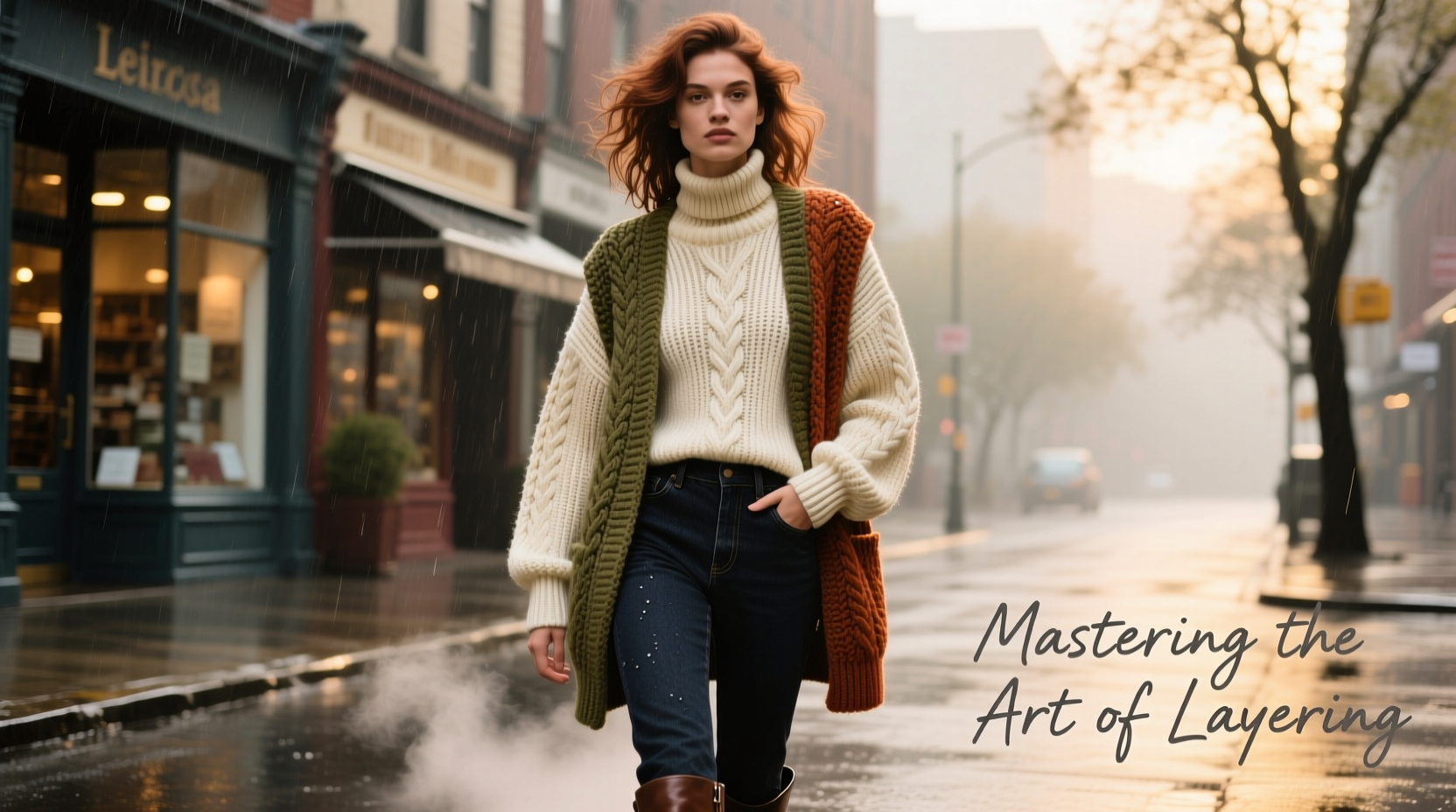
Effective layering isn’t just about piling on clothes—it’s a strategic approach to managing body heat and moisture. The human body generates heat continuously, and proper clothing systems trap that warmth while allowing sweat vapor to escape. The classic three-layer model—base, mid, and outer—applies perfectly to knitted garments when adapted correctly.
A lightweight merino wool base layer wicks moisture away from the skin. Over it, a medium-gauge knit sweater acts as an insulating mid-layer, trapping warm air. Finally, a wind-resistant or water-repellent outer shell protects against external elements without compressing the loft of your knits. The key is maintaining breathability and avoiding overheating, which leads to dampness and discomfort.
Seasonal Strategies for Knit Layering
Different climates demand different approaches. A heavy cable-knit may be ideal in January but oppressive in early spring. Understanding seasonal transitions allows you to adapt your layering strategy seamlessly.
Fall: Transition with Light Insulation
In mild fall conditions, start with a cotton or fine merino turtleneck under a lightweight shawl-collar cardigan. Add a trench coat or wool-blend overcoat for wind protection. This combination provides flexibility—you can remove the outer layer indoors without sacrificing style.
Winter: Maximize Warmth Without Bulk
Cold months call for denser weaves and smarter combinations. Begin with a thermal base, then add a chunky Aran sweater. Over this, wear a tailored wool coat with a high collar. Avoid double-knitting (e.g., two thick sweaters), which restricts movement and reduces insulation by compressing fibers.
Spring: Embrace Breathable Textures
As temperatures rise, switch to open-weave knits like fisherman styles or linen-cotton blends. Layer over a long-sleeve tee rather than a full sweater. These pieces provide texture and light warmth during cool mornings while remaining breathable enough for afternoon sun.
Summer Nights: Minimalist Knit Touches
Even in summer, coastal breezes or air-conditioned interiors may require a whisper of warmth. A sleeveless knit vest over a linen shirt adds subtle insulation without overheating. Choose ultra-fine gauge knits in breathable yarns like bamboo or TENCEL™.
Material Matters: Choosing the Right Knit for Each Layer
Not all knits perform equally across layers. The fiber composition, stitch type, and weight determine where a sweater fits best in your system.
| Fiber Type | Best For | Pros | Cons |
|---|---|---|---|
| Merino Wool | Base & Mid Layers | Natural moisture-wicking, odor-resistant, soft | Can shrink if washed improperly |
| Cashmere | Luxury Mid Layer | Extremely warm, lightweight, silky feel | Delicate, expensive, requires hand-washing |
| Cotton | Spring/Fall Mid Layer | Breathable, durable, easy care | Retains moisture, less insulating when wet |
| Acrylic Blends | Budget Outer Knits | Affordable, colorfast, low maintenance | Less breathable, prone to pilling |
| Alpaca | Mid to Outer Layer | Warmer than wool, hypoallergenic | Can stretch over time, heavier feel |
“Layering isn’t about quantity—it’s about synergy between materials. A well-chosen merino base beneath a structured lambswool sweater creates more warmth than two bulky acrylics.” — Lena Torres, Sustainable Fashion Consultant
Step-by-Step Guide to Building a Layered Knit Outfit
Follow this five-step process to create balanced, functional ensembles for variable weather:
- Assess the forecast: Note temperature, humidity, wind speed, and indoor environments you’ll encounter.
- Select a moisture-wicking base: Opt for fitted merino wool or silk-blend tops that sit close to the skin.
- Add a mid-layer knit: Choose a sweater based on expected cold exposure—fine gauge for mild days, chunky for freezing temps.
- Choose an outer shell: Ensure it’s slightly oversized to fit over your sweater without restricting motion.
- Adjust for activity level: If walking or commuting, lean toward lighter layers; sedentary outdoor time allows for heavier insulation.
Real-World Example: Urban Commuter in Late Autumn
Sophie, a graphic designer in Portland, faces 45°F mornings with drizzle and 70°F office heating. Her solution: a charcoal merino mock neck base, layered under a heather-gray open-knit cardigan. She completes the look with a water-resistant wool-blend peacoat. On her commute, she stays dry and warm. At work, she removes the coat and rolls her cardigan sleeves—remaining comfortable and polished. This adaptable system prevents overheating and eliminates the need for wardrobe changes.
Common Mistakes to Avoid
- Over-layering: Too many thick knits reduce mobility and cause sweating, leading to chill once activity stops.
- Mismatched fits: Tight sweaters over bulky ones create tension and restrict airflow, reducing insulation.
- Ignoring ventilation zones: Use V-necks or button-front cardigans to allow heat to escape from the chest and neck.
- Wearing non-breathable outer layers: Plastic-coated shells trap moisture inside, making knits damp and less effective.
Frequently Asked Questions
Can I layer multiple sweaters effectively?
Yes, but only if they’re designed for it. Pair a thin turtleneck sweater with a looser crewneck or cardigan. Avoid stacking two heavyweight pullovers—they compress insulation and limit arm movement.
How do I prevent static and cling between knit layers?
Static builds up in dry conditions, especially with synthetic blends. Use a natural fabric conditioner when washing, or lightly mist the inside of sweaters with water. Wearing a silk or cotton base layer also reduces friction.
Are hoodies suitable for formal knit layering?
In casual settings, a minimalist hoodie under a shawl-collar cardigan works well. However, for professional or formal contexts, opt for traditional knits like turtlenecks or V-necks, which maintain clean lines and sophistication.
Essential Checklist for Mastering Knit Layering
- ✔️ Own at least one fine-gauge merino base layer
- ✔️ Invest in a versatile mid-weight cardigan or crewneck
- ✔️ Ensure outerwear has room for layered knits underneath
- ✔️ Match knit density to expected temperature range
- ✔️ Prioritize natural, breathable fibers over synthetics
- ✔️ Test layer combinations at home before relying on them outdoors
- ✔️ Keep a foldable knit vest in your bag for unexpected cool spells
Conclusion: Elevate Comfort and Style Through Intentional Layering
Mastering the art of layering knitted sweaters transforms how you experience changing weather. It’s not merely about staying warm—it’s about moving comfortably through diverse environments with confidence and style. By understanding material properties, respecting seasonal shifts, and building intelligent layer systems, you gain control over your personal climate. No longer must you choose between fashion and function; the right knit layers deliver both.




 浙公网安备
33010002000092号
浙公网安备
33010002000092号 浙B2-20120091-4
Comments
No comments yet. Why don't you start the discussion?