
In recent years, fashion has embraced whimsy and individuality like never before. One trend that’s captured global attention is the use of expressive plush dolls—especially the now-iconic crying cat expression doll—as statement accessories on bags. What began as a niche internet meme has evolved into a full-blown style movement, blending kawaii culture with streetwear edge. But simply attaching a crying cat doll isn’t enough to make a statement. The real art lies in how you style it—positioning, coordination, and personalization all play key roles. This guide dives deep into the nuances of integrating this quirky accessory into your everyday look with confidence and creativity.
Understanding the Crying Cat Doll Phenomenon
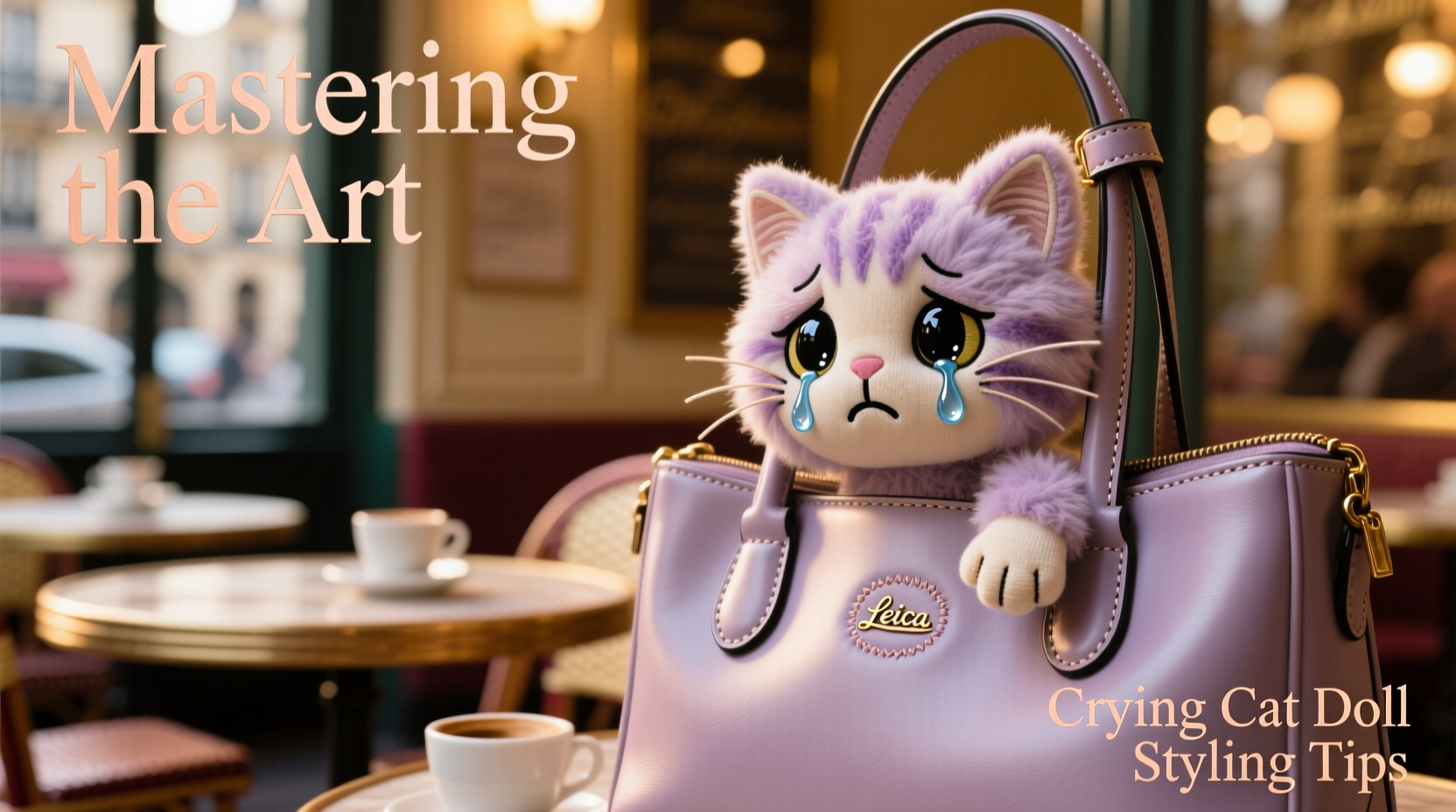
The crying cat expression doll—typically a small, soft plush with exaggerated teardrops, wide eyes, and a melancholic yet endearing face—originated from Japanese kawaii aesthetics and gained viral momentum through social media platforms like TikTok and Instagram. Its appeal lies in emotional contrast: a sad face on a playful accessory creates irony, humor, and relatability. Fashion-forward individuals have adopted it not just as a charm, but as a wearable mood board—a way to express vulnerability, sarcasm, or quiet rebellion without saying a word.
When styled intentionally, the crying cat becomes more than a novelty; it transforms into a curated element of self-expression. The key is treating it with the same consideration as any high-end accessory—color theory, proportion, texture, and placement matter deeply.
Choosing the Right Doll for Your Bag
Not all crying cat dolls are created equal. Before styling, evaluate your options based on size, material, and emotional tone. Some dolls lean into absurdity with oversized tears, while others adopt a minimalist design suitable for subtle accessorizing.
| Doll Type | Best For | Avoid If |
|---|---|---|
| Mini (2–3 inches) | Delicate bags, professional settings | You want maximum visual impact |
| Standard (4–5 inches) | Casual tote bags, backpacks | Your bag is already heavily accessorized |
| Oversized (6+ inches) | Statement looks, festival wear | You prefer understated elegance |
| Fuzzy Plush | Winter outfits, cozy textures | Hot climates or rain-prone areas |
| Vinyl or Resin Variant | All-weather durability, modern edge | You want soft, huggable charm |
Consider limited edition versions released by designers or indie creators—they often feature unique color palettes or embroidery that elevate your look instantly.
Step-by-Step Guide to Styling the Doll on Your Bag
Styling isn't random—it's choreography. Follow this five-step process to achieve a balanced, intentional aesthetic.
- Assess Your Bag’s Personality: Is it structured leather, slouchy canvas, or a retro backpack? A sleek crossbody may suit a single mini doll clipped neatly to a zipper pull, while a bohemian tote can handle multiple charms dangling asymmetrically.
- Select Placement Strategically: Common spots include side D-rings, zipper pulls, top handles, or front pockets. For maximum visibility without clutter, attach the doll to a functional point—like where your hand naturally rests.
- Use the Right Attachment Method: Lobster clasps are ideal for secure, removable hanging. Avoid glue or permanent stitching unless the doll is custom-made for that bag. Key rings work but may sway too much during movement.
- Balance With Other Accessories: If your bag already has patches or pins, place the doll opposite them to create visual symmetry. Alternatively, cluster smaller charms around the doll to frame it like a centerpiece.
- Test Movement and Wearability: Walk around with the bag for 10 minutes. Does the doll swing wildly? Get caught on clothing? Adjust position or shorten the chain if needed.
“Accessories should enhance, not interrupt, your flow. A well-placed doll feels like a natural extension of your bag’s design.” — Lila Nguyen, Fashion Stylist & Kawaii Culture Curator
Real-Life Example: From Cluttered to Cohesive
Maria, a graphic designer in Seoul, initially attached her crying cat doll to her vintage leather satchel with a long silver chain. While cute, the doll bounced constantly, obscuring her bag’s brass hardware and drawing attention away from her carefully chosen enamel pins. After consulting a local stylist, she shortened the chain, repositioned the doll near the back flap, and paired it with a matching blue tassel on the opposite side. The result? A balanced, gallery-like presentation that turned heads at her favorite café. Her updated look was shared across Korean fashion forums, proving that minor adjustments yield major aesthetic returns.
Tips for Thematic Coordination and Seasonal Rotation
Don’t treat your crying cat doll as static decor. Rotate its appearance based on season, outfit palette, or mood. Here’s how:
- Add tiny seasonal accessories—mini Santa hats in December, cherry blossom clips in spring.
- Swap out chains or ribbons to match your outfit: velvet in winter, pastel nylon in summer.
- Pair with complementary plushies for storytelling—e.g., a “rescue” scene with a smiling dog doll nearby.
- Use color psychology: a red-clothed doll adds drama; pastel tones soften a bold look.
Do’s and Don’ts of Crying Cat Accessorizing
| Do | Don’t |
|---|---|
| Match the doll’s energy to your outfit—melancholy with monochrome, vibrant with streetwear | Overcrowd your bag with too many competing plushies |
| Secure attachments properly to avoid loss | Leave it exposed to rain or direct sunlight for long periods |
| Use it as a conversation starter—people will notice and comment | Attach it to formal event bags unless the dress code allows whimsy |
| Store it in a soft pouch when switching bags | Wash it in a machine—hand spot-clean only |
Frequently Asked Questions
Can I customize my own crying cat doll?
Absolutely. Many crafters use needle-felting, embroidery, or fabric paint to personalize their dolls. Adding initials, glow-in-the-dark eyes, or themed clothing turns a mass-produced item into a one-of-a-kind piece. Just ensure modifications don’t compromise durability.
Is it unprofessional to have a crying cat doll on my work bag?
It depends on your workplace culture. In creative industries—design, media, education—it’s often seen as a sign of personality and approachability. In conservative fields like law or finance, opt for a miniature version or keep it in your personal tote rather than a briefcase.
How do I clean the doll without ruining it?
Use a damp microfiber cloth with a drop of mild soap. Gently dab stained areas and air-dry flat. Never submerge it. For vinyl variants, a disinfectant wipe works, but test on a small area first.
Final Thoughts: Make It Meaningful
The crying cat expression doll is more than a trend—it’s a cultural artifact of Gen Z’s embrace of emotional authenticity through fashion. When styled with intention, it communicates depth, humor, and self-awareness. The most memorable looks aren’t those with the flashiest doll, but the ones where every detail—from chain length to color harmony—feels deliberate.
Don’t just follow the trend. Own it. Experiment with placements, tell stories through pairings, and let your bag become a canvas for your inner world. Whether you’re navigating a tough day or celebrating small joys, your crying cat can be both mirror and muse.




 浙公网安备
33010002000092号
浙公网安备
33010002000092号 浙B2-20120091-4
Comments
No comments yet. Why don't you start the discussion?