
The Long Island Iced Tea is one of the most iconic cocktails in modern mixology—a deceptively smooth drink that packs a potent punch. Traditionally made with a blend of spirits, sour mix, and cola, it’s often viewed as a bar staple for casual drinkers. But when elevated with premium ingredients and precision, it transforms into a sophisticated, balanced cocktail worthy of any connoisseur’s attention.
A \"top shelf\" version isn’t just about using expensive liquors—it’s about balance, technique, and respect for each component. This guide walks through how to craft a refined Long Island Iced Tea that honors the original while showcasing the quality of its ingredients.
The Evolution of the Long Island Iced Tea
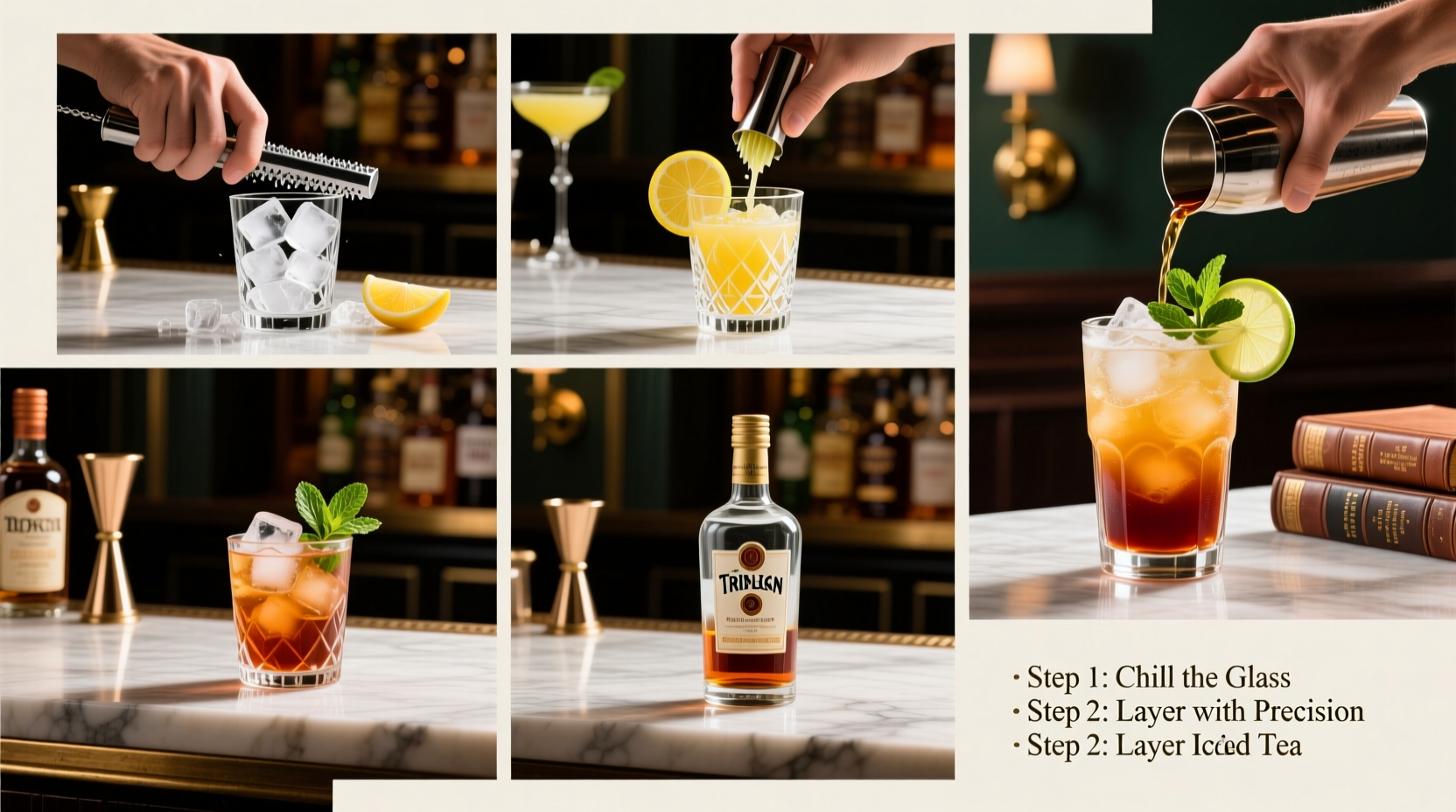
Invented in the 1970s, likely on Long Island, New York, the cocktail was designed to taste like iced tea while concealing its high alcohol content. The classic recipe combines vodka, rum, tequila, gin, triple sec, lemon juice, simple syrup, and a splash of cola. While effective, many versions rely on artificial sour mix and low-quality spirits, resulting in a harsh or overly sweet drink.
The top shelf variation reimagines this formula with craft spirits, fresh citrus, and careful proportions. Bartenders and home mixologists alike are rediscovering the drink not as a novelty, but as a complex spirit-forward cocktail that rewards attention to detail.
“Too many people dismiss the Long Island Iced Tea because they’ve only had bad versions. Made right—with fresh juice and balanced spirits—it’s a masterclass in harmony.” — Julian Parks, Head Mixologist at The Copper Rail
Essential Ingredients for a Premium Version
Upgrading your Long Island starts with selecting high-quality components. Each spirit should contribute character without dominating. The citrus must be freshly squeezed—never bottled. Sweetness should enhance, not mask.
| Ingredient | Recommended Quality | Purpose in Cocktail |
|---|---|---|
| Vodka | Distilled, neutral, smooth (e.g., Ketel One, Tito’s) | Base spirit; adds clean alcohol presence |
| Light Rum | Premium aged light rum (e.g., Plantation 3-Star, Flor de Caña Extra Dry) | Subtle sweetness and warmth |
| Gin | Dry, botanical-forward (e.g., Tanqueray, Monkey 47) | Herbal complexity |
| Tequila (Blanco) | 100% agave (e.g., Don Julio Blanco, Fortaleza) | Bright, peppery lift |
| Triple Sec | Curaçao or Cointreau | Citrus sweetness and depth |
| Lemon Juice | Freshly squeezed, strained | Tartness and acidity |
| Simple Syrup | 1:1 sugar-to-water, homemade | Balances sour notes |
| Cola | High-quality, low-sugar (e.g., Q Cola, Bundaberg) | Color and subtle caramel note |
Step-by-Step Guide to Crafting the Perfect Pour
Creating a top shelf Long Island Iced Tea requires precision and order. Follow these steps to ensure consistency and balance every time.
- Chill your glass. Place a highball or Collins glass in the freezer for 10–15 minutes before serving.
- Measure your spirits. Use a jigger for accuracy:
- ½ oz (15ml) vodka
- ½ oz (15ml) light rum
- ½ oz (15ml) gin
- ½ oz (15ml) blanco tequila
- ½ oz (15ml) Cointreau
- Prepare fresh citrus. Squeeze one medium lemon to yield approximately ¾ oz (22ml) of juice. Strain to remove pulp and seeds.
- Add sweetener. Include ¼ oz (7.5ml) of simple syrup. Adjust slightly based on lemon tartness.
- Shake vigorously. Combine all liquid ingredients in a cocktail shaker filled with ice. Shake for 12–15 seconds to chill and aerate.
- Strain into glass. Fill the chilled glass with fresh ice, then strain the mixture over it.
- Top with cola. Add ½ oz (15ml) of premium cola. Gently stir once to integrate without over-diluting.
- Garnish and serve. Add a thin lemon wheel or twist. Serve immediately with a straw.
Common Pitfalls and How to Avoid Them
Even experienced mixologists can misstep when balancing five spirits. Here are frequent errors and their solutions:
| Mistake | Why It Happens | Solution |
|---|---|---|
| Overly sweet drink | Using pre-made sour mix or too much triple sec | Stick to fresh lemon juice and measured Cointreau |
| Harsh alcohol burn | Low-quality spirits or improper chilling | Use top-shelf labels and shake thoroughly |
| Muddy flavor profile | Over-stirring after adding cola | Stir once gently to preserve carbonation and clarity |
| Weak presentation | Warm glass or flat cola | Pre-chill glass and use cold, fresh cola |
Real-World Example: The Brooklyn Lounge Upgrade
At The Velvet Stir, a boutique cocktail bar in Brooklyn, the team noticed their Long Island Iced Tea orders were declining due to outdated perceptions. They decided to reinvent it as a “Reserve Long Island” using small-batch spirits and house-made ingredients.
Within two months, the drink became one of their top five sellers. Customers appreciated the transparency in sourcing and the noticeable difference in smoothness. “We tell guests exactly what’s in it,” says manager Lena Tran. “When they taste the absence of artificial flavors, it changes their whole view of the cocktail.”
This real-world shift proves that perception can be transformed through craftsmanship—not gimmicks.
Checklist: Building Your Top Shelf Kit
- ✅ Highball or Collins glasses (preferably chilled)
- ✅ Jigger or measuring tool for precision
- ✅ Cocktail shaker with tight seal
- ✅ Hawthorne strainer
- ✅ Fresh lemons (at least one per drink)
- ✅ Homemade simple syrup (1:1 ratio)
- ✅ Premium cola in glass bottles
- ✅ Full set of top-shelf base spirits (vodka, rum, gin, tequila, orange liqueur)
- ✅ Citrus juicer and fine mesh strainer
- ✅ Ice molds for large cubes (for shaking and serving)
Frequently Asked Questions
Can I make a batch of top shelf Long Island Iced Tea ahead of time?
Yes, but with caution. You can pre-mix the spirits, citrus, and syrup in a sealed container and refrigerate for up to 24 hours. However, always add the cola and fresh ice just before serving to maintain carbonation and temperature.
Is there a non-alcoholic version that still tastes authentic?
A convincing mocktail version uses strong black tea, lemon juice, orange extract, a touch of vanilla, and sparkling cola alternative. While it won’t replicate the bite, it mimics the flavor profile well for designated drivers.
Why does my homemade version taste different each time?
Inconsistency usually comes from variable lemon juice acidity or imprecise pours. Always measure your spirits and juice carefully. Taste a small sample of lemon before using—if it's overly tart, reduce the simple syrup by ⅛ oz.
Final Thoughts: Raising the Bar, One Sip at a Time
The Long Island Iced Tea doesn’t need to be a guilty pleasure. With thoughtful ingredient selection and disciplined technique, it becomes a testament to the art of balance in cocktail making. Whether you're hosting a summer gathering or refining your home bar repertoire, mastering this upgraded version shows that even the most misunderstood drinks deserve respect.




 浙公网安备
33010002000092号
浙公网安备
33010002000092号 浙B2-20120091-4
Comments
No comments yet. Why don't you start the discussion?