
For homeowners seeking a lush, green yard without the constant upkeep of traditional turfgrass, micro clover offers a compelling solution. Unlike conventional lawns that demand frequent mowing, irrigation, and synthetic fertilizers, micro clover forms a dense, soft carpet that stays green year-round with minimal intervention. As environmental awareness grows and water conservation becomes more critical, alternatives to resource-intensive grasses are gaining traction. Micro clover stands out not only for its resilience and aesthetic appeal but also for its ecological benefits—supporting pollinators, improving soil health, and reducing chemical runoff. This article explores how micro clover functions as a modern lawn substitute, detailing its characteristics, practical applications, maintenance needs, and advantages over both traditional grass and other ground covers.
Definition & Overview
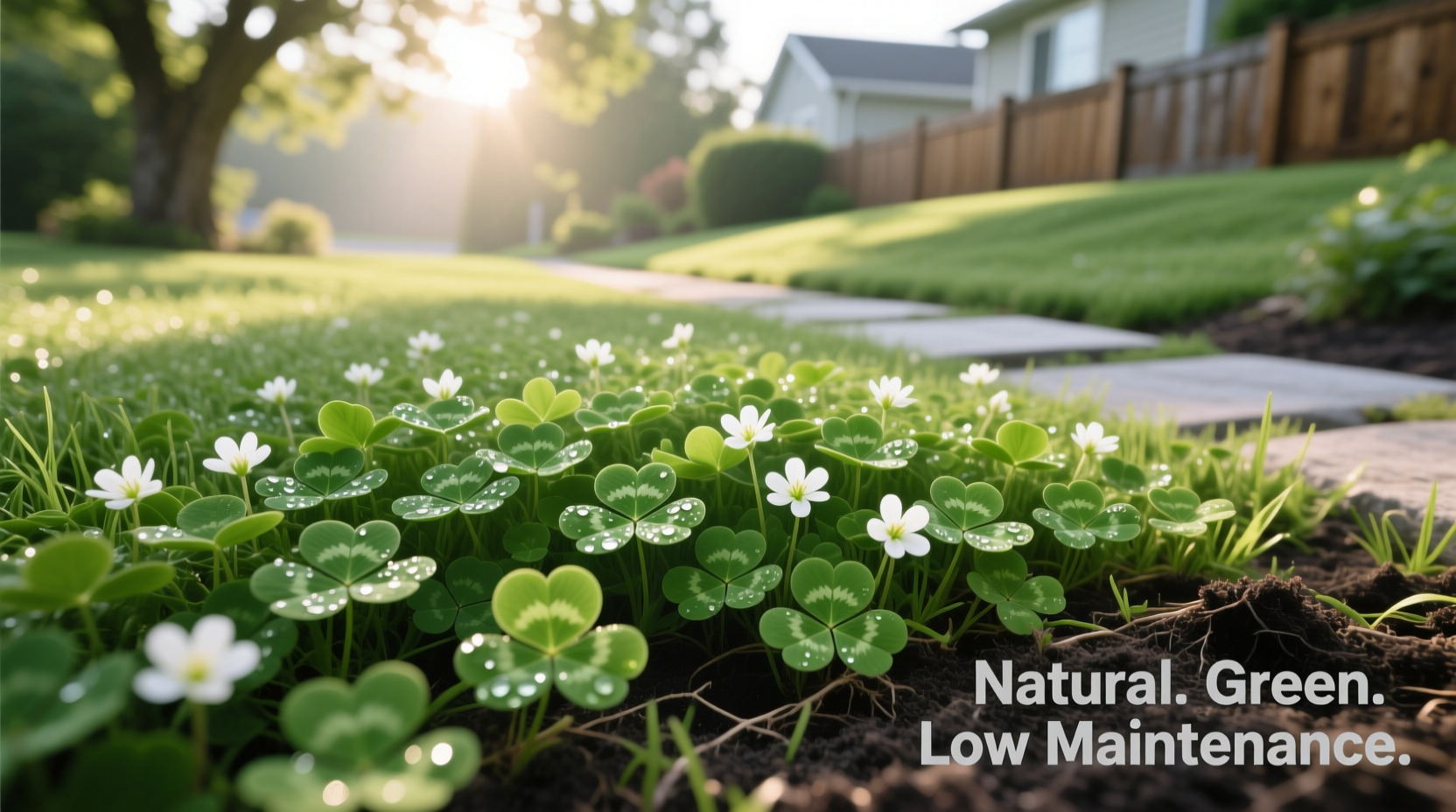
Micro clover (Trifolium repens var. microphyllum) is a naturally occurring dwarf variety of white clover, selectively bred for smaller leaves, lower growth habit, and greater density than common clover. It spreads via stolons—horizontal stems that root at nodes—forming a tight mat that resists weed invasion and withstands moderate foot traffic. Originally developed in Europe as part of sustainable landscaping initiatives, micro clover has gained popularity in North America as an eco-friendly lawn alternative or companion plant in mixed turf systems.
Unlike ornamental ground covers or aggressive weeds, micro clover strikes a balance between functionality and sustainability. It remains low-growing (typically 4–6 inches tall when unmowed), eliminating the need for weekly mowing. It blooms subtly with tiny white flower heads that attract beneficial insects like bees and hoverflies but do not create the conspicuous puffballs associated with traditional clover lawns. Because it fixes atmospheric nitrogen through symbiotic bacteria in its root nodules, it enriches the soil naturally, reducing or eliminating the need for applied fertilizers.
Key Characteristics
| Characteristic | Description |
|---|---|
| Leaf Size | Small, trifoliate leaves averaging 1/2 inch wide—about half the size of standard white clover. |
| Height | Grows 4–6 inches tall; can be maintained at 2–3 inches with occasional mowing if desired. |
| Color | Vibrant green throughout the growing season; retains color longer than grass in drought conditions. |
| Flowering | Produces small, white to pale pink spherical blooms in late spring and early summer; less showy than common clover. |
| Drought Tolerance | Moderate to high; goes dormant during prolonged dry periods but recovers quickly with rain or irrigation. |
| Foot Traffic Resistance | Suitable for light to moderate use; ideal for front yards, pathways, and play areas with infrequent activity. |
| Soil Adaptability | Thrives in a range of soils including clay, loam, and sandy types; prefers pH between 6.0 and 7.0. |
| Shade Tolerance | Performs well in partial shade (3–4 hours of direct sun); less effective in deep shade. |
| Lifespan | Short-lived perennial (2–5 years depending on climate and competition); reseeds modestly under favorable conditions. |
| Eco-Benefits | Nitrogen fixation, pollinator support, reduced fertilizer dependency, improved soil structure. |
Practical Usage: How to Use Micro Clover in Your Landscape
Micro clover can be used in several ways: as a standalone lawn, blended with fine fescue grasses, or planted in bare spots where grass struggles. Each approach leverages its strengths while addressing potential limitations such as wear tolerance or seasonal dormancy.
Establishing a Pure Micro Clover Lawn
To convert an existing lawn or prepare new ground for micro clover, begin by removing competing vegetation. Glyphosate-based herbicides may be used for total kill, though solarization or sheet mulching are organic alternatives. Once cleared, lightly till the soil to a depth of 2–3 inches and rake smooth. Seed at a rate of 1–2 pounds per 1,000 square feet, ideally in early spring or fall when temperatures are between 60°F and 75°F. Keep the seeded area consistently moist until germination occurs—usually within 5 to 10 days. Avoid walking on newly established patches for at least three weeks.
No starter fertilizer is needed due to nitrogen-fixing capabilities. In fact, applying high-nitrogen fertilizers can encourage weed growth and reduce clover vigor by favoring grass competitors. Water deeply but infrequently after establishment—one inch per week during active growth—to promote deep rooting.
TIP: Overseed annually in the first two years to thicken the stand and outcompete encroaching weeds or grasses.
Mixing with Turfgrass for Enhanced Resilience
Many landscapers now recommend blending micro clover with non-invasive fescue varieties (such as chewings fescue or hard fescue) at ratios ranging from 5% to 20% clover by weight. This combination creates a more resilient lawn: the clover supplies nitrogen to the grass, reduces fertilizer inputs, fills in thin areas, and improves drought recovery. The grass component increases wear tolerance and provides visual continuity preferred in formal settings.
When overseeding an existing lawn, mow short, dethatch if necessary, and aerate before spreading seed. Lightly rake or drag to ensure seed-to-soil contact. Irrigate frequently until germination. Mow at a height of 3 inches to accommodate both species without scalping the clover.
Targeted Applications in Problem Areas
Micro clover excels in areas where traditional grass fails—dry slopes, compacted soils near sidewalks, or shady zones beneath trees. Instead of fighting to maintain weak grass with excessive inputs, replace these sections with micro clover. Prepare the site as above, seed densely, and protect from foot traffic until established. These patches integrate seamlessly into larger landscapes and often require no additional care beyond what’s given to surrounding areas.
Variants & Types
While \"micro clover\" refers broadly to dwarf white clover cultivars, specific patented varieties have been developed for turf performance. Understanding differences among them helps select the best option for your region and goals.
- Cloveret®: One of the earliest commercial micro clovers, known for very small leaf size and slow flowering. Best suited for pure stands or low-input lawns.
- Pirouette®: Developed in France, this variety exhibits exceptional density and shade tolerance. Often used in grass-clover blends in northern climates.
- Zoysia Clover Blend™ (conceptual): Not a true variant, but some companies market pre-mixed seed combinations tailored for warm-season regions, pairing heat-tolerant clovers with drought-resistant grasses.
- Wild White Clover (non-dwarf): Often mistaken for micro clover, this common type has larger leaves, taller flowers, and spreads aggressively. Unsuitable for manicured lawns.
Always purchase certified seed labeled specifically as “micro” or “dwarf” white clover to avoid introducing weedy types. Look for recent harvest dates and germination rates above 85% for best results.
Comparison with Similar Ground Covers
Homeowners considering low-maintenance options often compare micro clover to other popular alternatives. While each has merits, micro clover uniquely balances aesthetics, usability, and ecological function.
| Feature | Micro Clover | Traditional Kentucky Bluegrass | Creeping Thyme | Artificial Turf |
|---|---|---|---|---|
| Mowing Frequency | None to monthly | Weekly | Occasional trimming | Never |
| Water Needs | Low (once weekly in drought) | High (1–2 inches/week) | Moderate (establishment phase) | None |
| Fertilizer Requirement | None (self-fertilizing) | High (3–4 applications/year) | Low | None |
| Heat/Drought Recovery | Excellent (goes dormant, revives) | Poor (turns brown, slow recovery) | Good (dies back in extreme heat) | None (melts in extreme heat) |
| Pollinator Support | High (flowers feed bees) | None | Very high (fragrant blooms) | None |
| Surface Comfort | Soft, cool underfoot | Soft when well-maintained | Firm, aromatic | Hot, plastic-like |
| Installation Cost | $0.20–$0.50/sq ft (seed) | $1.00–$2.50/sq ft (sod) | $2.00+/sq ft (plugs) | $8–$14/sq ft (installed) |
| Environmental Impact | Positive (carbon sequestration, soil building) | Negative (runoff, emissions from mowers) | Neutral to positive | Negative (plastic, microplastics, heat island effect) |
“Micro clover represents a shift from seeing lawns as sterile carpets to recognizing them as living ecosystems. It’s not just about saving time—it’s about creating landscapes that give back.” — Dr. Lena Torres, Urban Horticulture Specialist, Cornell Cooperative Extension
Practical Tips & FAQs
Can I walk on a micro clover lawn?
Yes, micro clover tolerates light to moderate foot traffic. It recovers well from compression but may thin under heavy or continuous use, such as children’s play areas or pet runs. For high-traffic zones, consider reinforcing with stepping stones or using a grass-clover blend.
Does micro clover attract bees? Is that dangerous?
Yes, the small white flowers produce nectar and pollen attractive to native bees and honeybees. However, blooming is brief and flowers are low-profile, minimizing stinging risks. Bees visiting clover are typically foraging females focused on collecting food—not defending hives—and are rarely aggressive. If bee allergies are a concern, mow during bud formation to prevent flowering.
How do I control weeds in a micro clover lawn?
A dense, healthy stand of micro clover naturally suppresses most weeds. Hand-pull persistent invaders like dandelions or apply spot treatments with vinegar-based herbicides. Avoid broadleaf herbicides, which will kill the clover. Pre-emergent corn gluten meal can inhibit crabgrass and other annual weeds without harming clover.
Will micro clover take over my garden beds?
Micro clover spreads slowly and is easily managed with edging. Install metal, stone, or plastic borders sunk 4–6 inches deep to contain growth. Regular trimming along bed lines prevents encroachment. Unlike common clover, it does not become invasive in landscape settings.
Is micro clover safe for pets?
Yes, micro clover is non-toxic to dogs and cats. Some pets may nibble it occasionally, which is harmless. Avoid using chemical pesticides or synthetic fertilizers if pets frequent the area.
What about winter appearance?
In USDA zones 6 and warmer, micro clover remains green through winter with adequate moisture. In colder zones (4–5), it dies back to the crown and regrows in spring from stolons and seeds. Dormant patches may look brown but revive rapidly with warming temperatures.
Can I grow micro clover in full shade?
It performs best with at least 3–4 hours of direct sunlight daily. In deeper shade, growth becomes sparse and flowering diminishes. Pair with shade-tolerant fescues or consider alternative ground covers like pachysandra or moss in heavily shaded areas.
How long does it take to establish?
Germination occurs in 5–10 days under optimal conditions. A functional cover develops in 4–6 weeks, with full density achieved by the end of the first growing season. Overseeding in the second year enhances thickness.
TIP: To minimize weed pressure during establishment, overseed in early fall when many annual weeds are completing their lifecycle.
Summary & Key Takeaways
Micro clover is more than a trend—it's a practical evolution in lawn management that aligns with modern values of sustainability, efficiency, and biodiversity. Its ability to thrive with minimal water, no synthetic fertilizers, and little mowing makes it ideal for environmentally conscious homeowners. Whether used alone or mixed with compatible grasses, it delivers a soft, green surface that supports pollinators, builds healthier soil, and reduces landscape maintenance costs.
Key advantages include natural nitrogen fixation, drought resilience, low height maintenance, and compatibility with organic practices. While not suited for high-traffic sports lawns, it performs excellently in residential yards, parks, golf course roughs, and roadside plantings. With proper installation and modest care, micro clover transforms underperforming turf into a dynamic, ecologically active ground cover.
Transitioning away from conventional grass doesn’t mean sacrificing beauty or function. It means choosing a system that works with nature rather than against it. For those ready to rethink the American lawn, micro clover offers a proven, accessible, and rewarding alternative.
Ready to reduce your mowing schedule and support local pollinators? Start small—convert a problem patch or mix micro clover into your next overseeding project—and observe how this humble plant transforms your outdoor space.




 浙公网安备
33010002000092号
浙公网安备
33010002000092号 浙B2-20120091-4
Comments
No comments yet. Why don't you start the discussion?