
Drawstring backpacks are lightweight, versatile, and ideal for daily commutes, gym sessions, or weekend getaways. But despite their simplicity, they’re prone to wear and tear—especially at stress points like seams, cords, and fabric folds. With proper care and a few strategic upgrades, you can significantly extend the lifespan of your favorite drawstring bag. This guide covers practical, field-tested methods used by outdoor enthusiasts, travelers, and textile care professionals to keep these minimalist carriers strong and functional for years.
Choose the Right Material from the Start
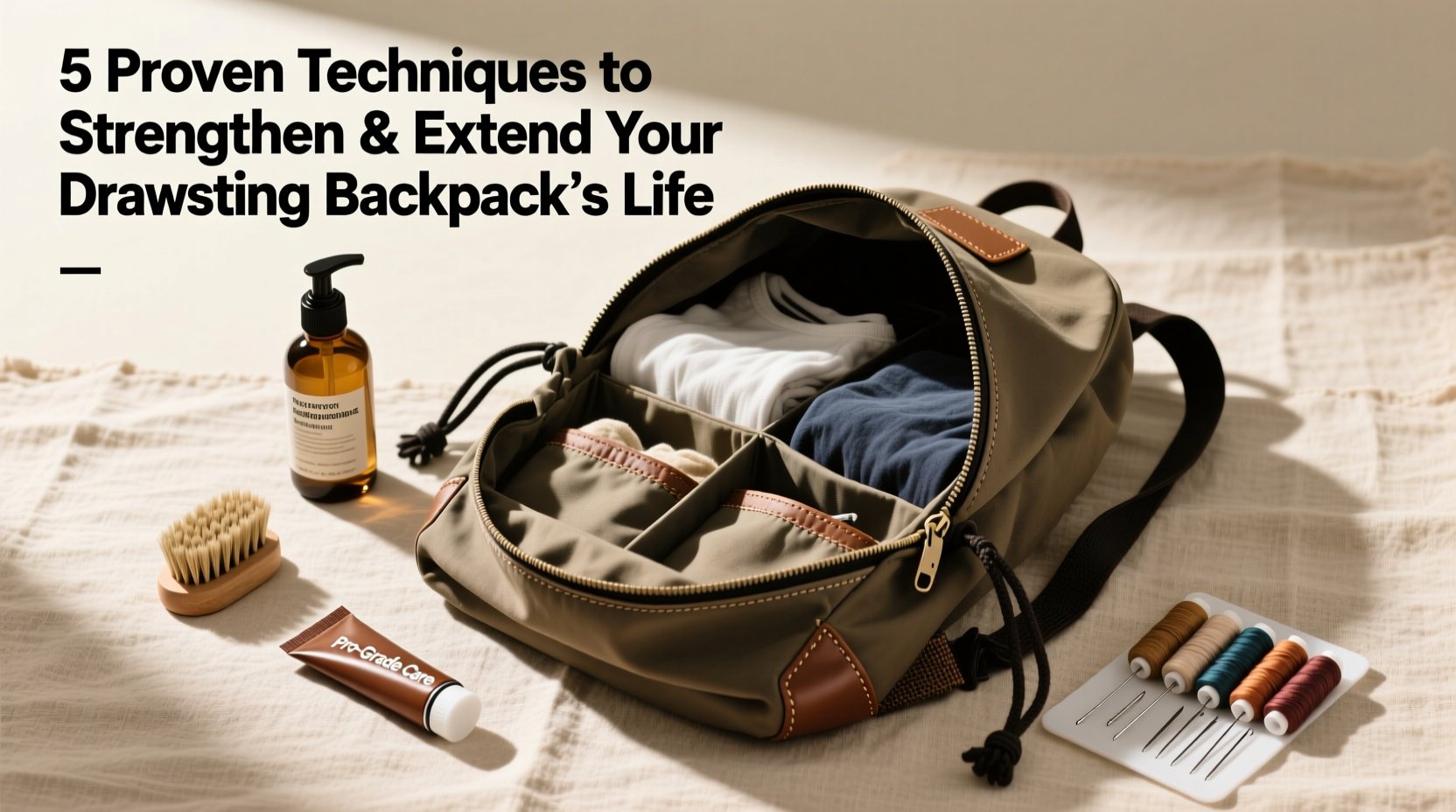
The longevity of any drawstring backpack begins with its construction materials. Not all fabrics and stitching are created equal. While nylon and polyester dominate the market due to their water resistance and durability, natural fibers like cotton canvas may look stylish but degrade faster when exposed to moisture or UV light.
When purchasing or assessing your current backpack, consider:
- Nylon ripstop: Reinforced weave that resists tearing and is highly abrasion-resistant.
- Polyester with PU coating: Offers water resistance without adding bulk.
- Double-stitched seams: Especially around the shoulder straps and drawstring casing, which bear the most stress.
- Reinforced cord locks: Metal or high-density plastic sliders last longer than cheap plastic alternatives.
Reinforce High-Stress Areas Proactively
Even well-made backpacks develop weak spots over time. The top edge where the drawstring runs, the base corners, and the attachment points for straps are common failure zones. Instead of waiting for fraying or holes, reinforce them early.
Step-by-Step Reinforcement Guide
- Inspect monthly: Check for loose threads, thinning fabric, or stiff cords.
- Add seam sealant: Apply a small amount of seam grip (like Gear Aid SeamGrip) along inner seams to prevent unraveling.
- Reinforce corners: Use iron-on patch material or sew on triangular fabric patches at the bottom corners.
- Upgrade the drawstring: Replace flimsy cords with braided paracord (3mm diameter), which is stronger and more resistant to fraying.
- Secure cord stops: Add a knot behind the slider or use heat-shrink tubing to prevent accidental loosening.
“Preventive reinforcement adds 2–3 years to a drawstring backpack’s usable life. It’s far easier than repairing a torn seam mid-trip.” — Daniel Ruiz, Outdoor Gear Technician
Cleaning and Maintenance Routine
Dirt, sweat, and environmental grime break down fabric fibers over time. A consistent cleaning schedule prevents buildup and maintains structural integrity.
| Fabric Type | Cleaning Method | Avoid |
|---|---|---|
| Nylon/Polyester | Hand wash with mild detergent; air dry flat | Dryer heat, bleach, scrubbing with brushes |
| Cotton Canvas | Spot clean only; use fabric protector spray | Submerging in water, machine washing |
| Water-Resistant Coated | Wipe with damp cloth; reapply DWR spray every 3–6 months | Soaking, harsh detergents |
After cleaning, always ensure the backpack is completely dry before storing. Trapped moisture encourages mold growth and weakens fibers from within.
Smart Usage Habits That Prevent Premature Wear
How you use your backpack matters as much as how you clean it. Overloading, improper storage, and rough handling accelerate deterioration.
Do’s and Don’ts of Daily Use
- Do: Distribute weight evenly and avoid exceeding 10–15% of your body weight.
- Do: Use both shoulder straps—even if carrying casually—to prevent asymmetric strain.
- Do: Empty and shake out debris weekly to prevent grit from grinding against fabric.
- Don’t: Drag the bag across pavement or load sharp objects without padding.
- Don’t: Hang it by the drawstring—this stretches the top rim and distorts the shape.
- Don’t: Leave it in hot cars or direct sunlight for extended periods—UV rays degrade synthetic fibers.
Mini Case Study: The Commuter’s Backpack That Lasted Five Years
Jess T., a cyclist and urban commuter in Portland, uses her drawstring backpack nearly every day to carry work essentials and groceries. After two years, she noticed the bottom fabric was thinning. Instead of replacing it, she applied a DIY repair using an iron-on nylon patch and replaced the original cord with waxed paracord. She also began wiping it down monthly and storing it in a breathable cotton bag when not in use. Now in its fifth year, the backpack remains fully functional—proof that minor interventions make a major difference.
Storage Solutions to Preserve Longevity
Where and how you store your drawstring backpack between uses plays a critical role in preserving its condition. Poor storage leads to creases, mildew, and weakened fibers.
Ideally, store the backpack in a cool, dry place away from direct sunlight. Keep it loosely stuffed with acid-free tissue paper or a soft cloth to maintain shape without compressing the fabric. Avoid cramming it into tight spaces or under heavy items.
“Consistent care and proper storage can double a bag’s lifespan.” — Emma Clarke, Fashion Care Expert
Essential Care Checklist
Use this checklist monthly to keep your drawstring backpack in peak condition:
- ✅ Inspect seams and stitching for looseness or fraying
- ✅ Check drawstring for knots, wear, or stiffness
- ✅ Wipe down exterior with a damp cloth
- ✅ Ensure all hardware (cord locks, grommets) moves smoothly
- ✅ Air out the interior to eliminate moisture and odors
- ✅ Reapply waterproofing spray if applicable
- ✅ Rotate usage if you own multiple bags to reduce wear
FAQ
Can I repair a torn drawstring backpack myself?
Yes. Small tears can be fixed with fabric glue or iron-on patches. For larger rips or seam failures, use a needle and heavy-duty thread to resew the area with a backstitch for durability. Reinforce the patch with seam sealant for added protection.
How often should I replace the drawstring?
Replace the cord when you notice fraying, stiffness, or difficulty sliding through the casing. As a preventive measure, consider replacing it every 12–18 months with regular use.
Is it worth repairing an old drawstring backpack?
Absolutely—if the main fabric is still sound. Repair costs are minimal compared to buying a new one, and extending the life of existing gear is more sustainable. Reinforcing a trusted backpack often results in better performance than a cheaper replacement.
Conclusion
Extending the life of your drawstring backpack isn’t about perfection—it’s about consistency. Simple habits like regular inspection, gentle cleaning, and smart storage compound over time into remarkable durability. By reinforcing weak points early, upgrading key components, and treating your bag with mindful care, you transform a disposable accessory into a long-term companion.




 浙公网安备
33010002000092号
浙公网安备
33010002000092号 浙B2-20120091-4
Comments
No comments yet. Why don't you start the discussion?