
Puppies are often seen as bundles of joy—playful, curious, and affectionate. But sometimes, even the most seemingly sweet pup can display aggressive behaviors like growling, snapping, or biting. While some level of mouthing and nipping is normal during development, true aggression is a concern that requires attention. Understanding the root causes, learning effective management strategies, and knowing when to seek help are crucial steps in raising a well-adjusted adult dog.
Understanding Puppy Aggression: Not All Biting Is the Same
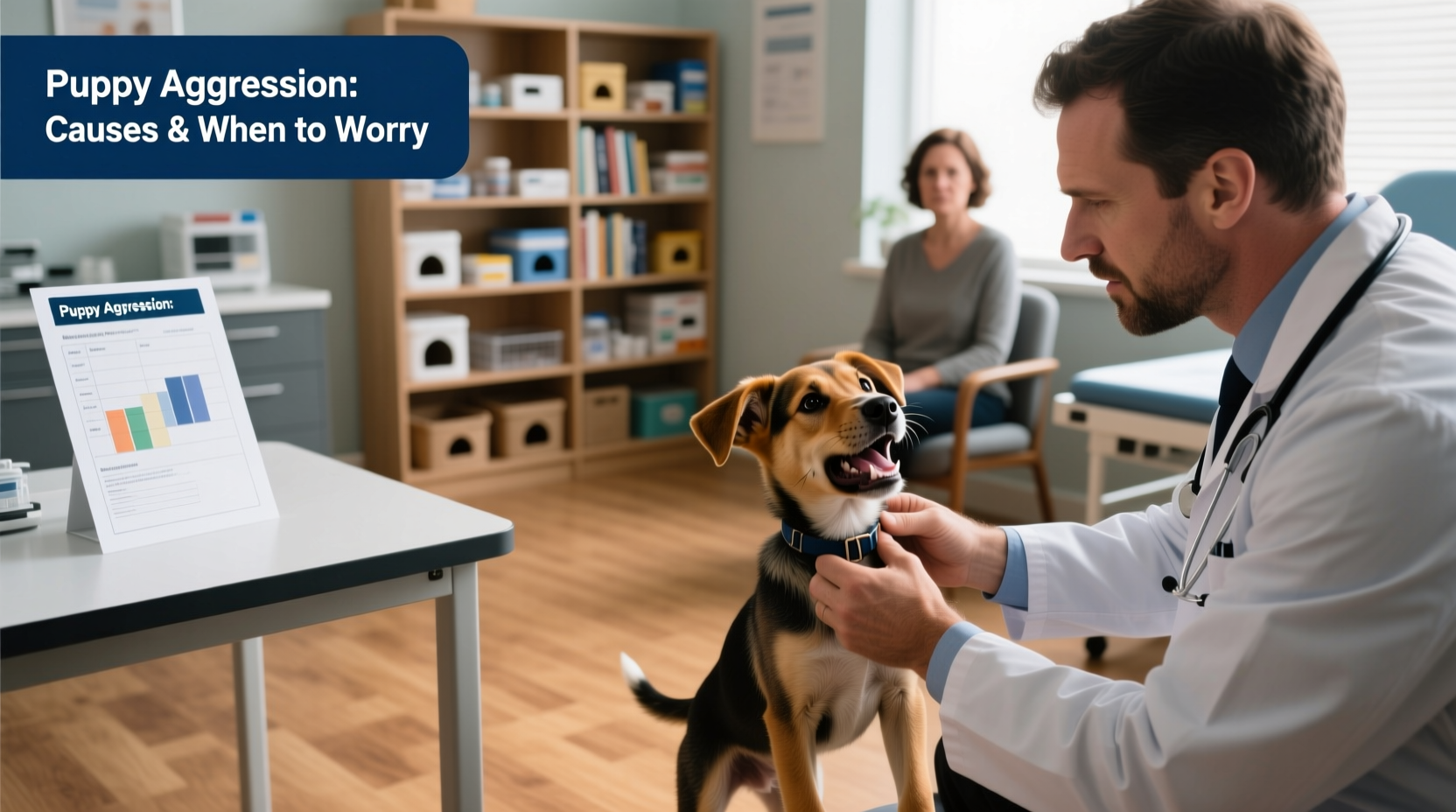
Before labeling a behavior as \"aggression,\" it's important to distinguish between normal puppy behavior and actual aggression. Puppies explore the world with their mouths. Chewing, playful nipping, and mouthing hands or feet are part of natural development and social learning. True aggression, however, involves intent to harm, fear-based reactions, or defensive posturing such as stiff body language, raised hackles, intense staring, or growling without provocation.
Aggression in puppies can manifest in various forms:
- Resource guarding: Growling when someone approaches food, toys, or a resting spot.
- Fear aggression: Snapping or lunging when startled or approached by strangers.
- Play aggression: Over-the-top biting during play, often escalating when ignored.
- Pain-induced aggression: Reacting aggressively when touched in a painful area.
Common Causes of Puppy Aggression
Several underlying factors contribute to aggressive tendencies in young dogs. Recognizing these early increases the chances of successful intervention.
- Lack of Socialization: Puppies not exposed to different people, animals, environments, and stimuli before 16 weeks are more likely to react fearfully or aggressively to novelty.
- Genetic Predisposition: Some breeds or individual lines may have stronger guarding instincts or higher reactivity levels.
- Poor Early Environment: Puppies taken from the litter too early (before 8 weeks) miss critical learning from their mother and siblings about bite inhibition and social cues.
- Mistreatment or Trauma: Abuse, neglect, or harsh training methods can lead to fear-based aggression.
- Medical Issues: Pain from teething, ear infections, or orthopedic problems can cause irritability and reactive behavior.
“Early experiences shape a dog’s brain architecture. A poorly socialized puppy is at greater risk of developing lasting behavioral issues.” — Dr. Ian Dunbar, Veterinarian and Animal Behaviorist
How to Handle Puppy Aggression: A Step-by-Step Approach
Addressing aggression early prevents escalation. The key is consistency, patience, and positive reinforcement. Here’s a practical timeline for managing mild to moderate aggression:
- Day 1–7: Assess and Document Behavior
Keep a journal noting when, where, and under what circumstances aggression occurs. Note triggers such as specific people, handling, or resource presence.
- Week 2–3: Rule Out Medical Causes
Schedule a vet visit. Even subtle pain can cause behavioral changes. Blood work or a physical exam may uncover hidden issues.
- Week 4–6: Begin Positive Reinforcement Training
Use treats and praise to reward calm behavior. For example, if your puppy growls over a toy, teach “leave it” using high-value rewards. Never punish aggression—it increases fear and worsens the problem.
- Week 7–10: Controlled Socialization
Gradually expose your puppy to new people, dogs, and environments in a controlled way. Always keep interactions positive and end on a good note. Avoid overwhelming situations.
- Ongoing: Set Boundaries and Manage Triggers
Prevent access to known triggers when unsupervised. Use baby gates to block off areas where resource guarding occurs. Teach children in the home not to disturb the puppy while eating.
Do’s and Don’ts When Managing an Aggressive Puppy
| Do’s | Don’ts |
|---|---|
| Use positive reinforcement for calm behavior | Yell, hit, or use physical punishment |
| Consult a certified dog behaviorist | Assume the puppy will “grow out of it” without intervention |
| Supervise all interactions with children or other pets | Leave an aggressive puppy unattended with others |
| Practice gentle handling daily (paws, ears, mouth) | Force interaction when the puppy shows fear signs |
| Provide mental stimulation and exercise | Allow excessive rough play or encourage dominance games |
When to Worry: Red Flags That Require Professional Help
While many cases of puppy aggression respond well to consistent training, certain warning signs indicate the need for immediate expert intervention:
- Unprovoked attacks or bites that break skin
- Aggression toward family members, especially children
- Progressive worsening despite training efforts
- Extreme fearfulness combined with aggression (e.g., hiding then lunging)
- History of abuse or unknown background
If your puppy exhibits any of these behaviors, consult a veterinary behaviorist—not just a trainer. These professionals can diagnose underlying anxiety disorders and may recommend behavior modification plans, environmental adjustments, or, in rare cases, short-term medication support.
Real-Life Example: Max, the Fearful Labrador Mix
Max, a 14-week-old Labrador mix, was adopted from a shelter. Within days, his owners noticed he would growl when they reached for his food bowl and flinch when picked up. At first, they thought he was just adjusting. However, after he snapped at a visiting child who tried to pet him, they sought help.
A certified behaviorist evaluated Max and identified severe fear-based aggression stemming from lack of early socialization and possible prior trauma. A structured plan was implemented: gradual desensitization to handling, counter-conditioning with high-value treats, and controlled exposure to new people. After eight weeks of consistent effort, Max began accepting gentle touches and no longer guarded his food. His case underscores the importance of early professional assessment and tailored rehabilitation.
FAQ: Common Questions About Puppy Aggression
Can a puppy with aggression become a safe adult dog?
Yes, many puppies with early aggression can become well-behaved adults if the cause is identified and addressed promptly. Success depends on the severity, consistency of training, and whether professional help is involved.
Is it normal for a puppy to growl during play?
Some low-level growling during active play is common and usually harmless, especially in energetic breeds. However, if the growl is deep, accompanied by stiff posture, or leads to hard biting, it should be redirected immediately.
Should I punish my puppy for being aggressive?
No. Punishment increases fear and can escalate aggression. Instead, remove the puppy from the situation calmly and work on teaching alternative behaviors using rewards.
Conclusion: Taking Action for a Healthier, Happier Dog
Puppy aggression isn’t something to ignore or hope will fade with time. It’s a signal that your dog is struggling—whether due to fear, pain, or lack of guidance. By understanding the causes, applying compassionate training techniques, and knowing when to call in experts, you give your puppy the best chance at a balanced, confident life.
Every moment you invest in proper behavior management strengthens your bond and ensures safety for everyone around. If you’re dealing with aggression, take action today: schedule a vet check, start positive training, and reach out to a qualified behavior professional. Your puppy is counting on you.




 浙公网安备
33010002000092号
浙公网安备
33010002000092号 浙B2-20120091-4
Comments
No comments yet. Why don't you start the discussion?