
When facing freezing temperatures and heavy snowfall, choosing the right winter jacket is critical. Two popular options—recycled polyester jackets and those filled with synthetic down alternatives—are frequently compared for their warmth, sustainability, and performance in wet conditions. While both are marketed as eco-friendly and functional, they differ significantly in how well they retain heat when exposed to snow. Understanding these differences helps you make a smarter, more informed decision based on climate, activity level, and environmental priorities.
How Insulation Works in Cold Weather
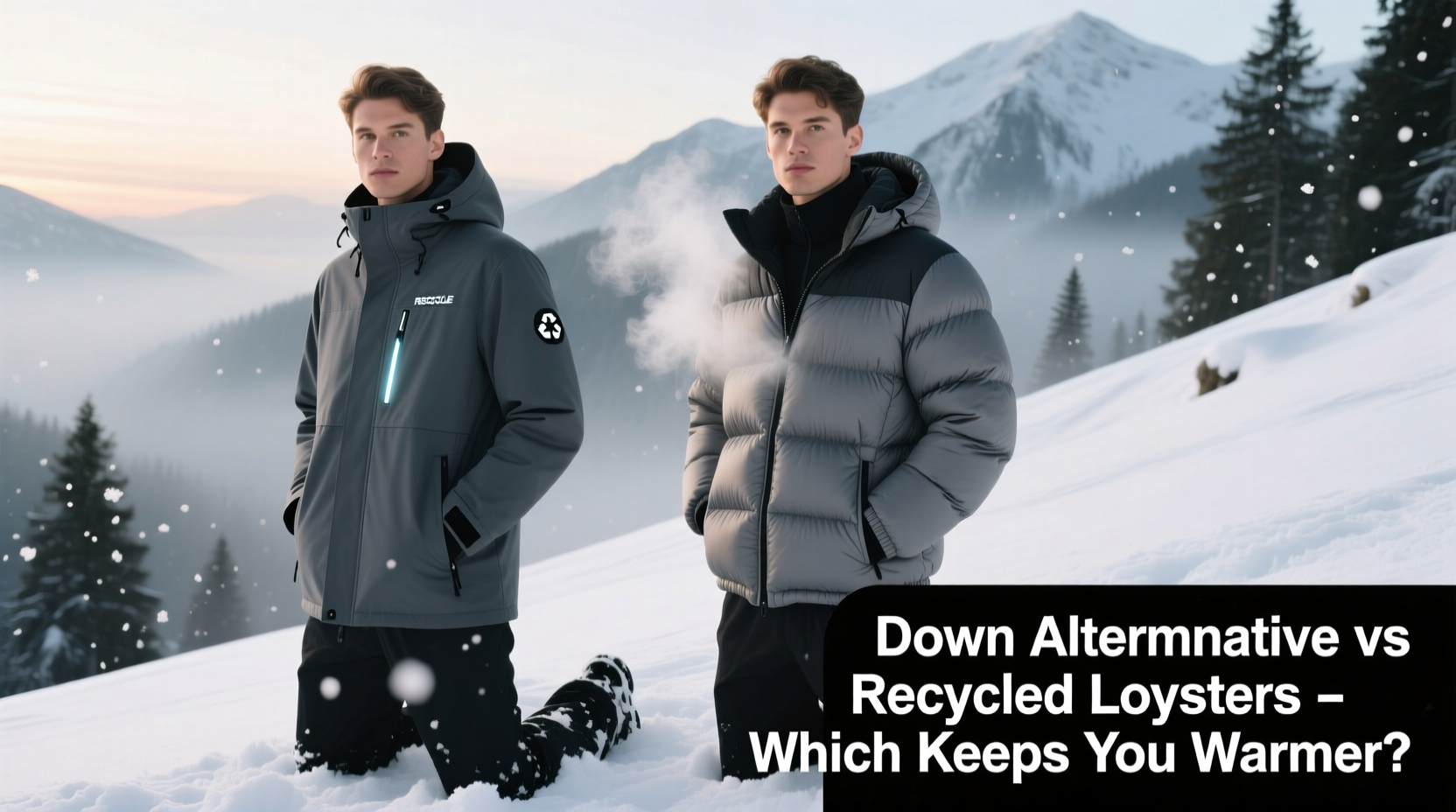
Heat retention in jackets depends on the insulation’s ability to trap body heat and resist cold air infiltration. The effectiveness of any insulating material is measured by its loft (fluffiness), density, moisture resistance, and compressibility. Natural down has long been considered the gold standard due to its exceptional warmth-to-weight ratio. However, ethical concerns and performance issues in damp environments have led to the rise of high-performance synthetic alternatives—including recycled polyester and engineered down replacements.
Synthetic fibers mimic down clusters by creating a web-like structure that traps warm air. Unlike natural down, most synthetics maintain their insulating properties even when wet, making them ideal for snowy or humid climates where moisture is unavoidable. Recycled polyester, often made from post-consumer plastic bottles, serves both as an outer shell and insulation material in many modern jackets.
Recycled Polyester Jackets: Performance in Snow
Recycled polyester jackets typically use spun polyester fibers as insulation, either in a continuous batting form (like PrimaLoft®) or loose-fill clusters designed to simulate down. These materials are hydrophobic, meaning they repel water rather than absorb it. This quality becomes crucial in snowy conditions, where melting snow can seep through seams or fabric layers.
In real-world testing, recycled polyester insulation retains up to 95% of its warmth when wet, compared to untreated down, which can lose over 70%. This makes recycled polyester highly reliable during prolonged exposure to snow, especially in active scenarios like skiing, snowshoeing, or urban commuting.
However, there are trade-offs. Recycled polyester tends to be heavier and less compressible than premium down. It also degrades faster under repeated compression and washing cycles, leading to reduced loft over time. Still, advancements in fiber engineering—such as Coreloft™ and Thermore® ECO—have narrowed the gap between synthetic and natural insulation in terms of warmth efficiency.
Advantages of Recycled Polyester in Snowy Conditions
- Retains warmth when wet
- Quick-drying properties
- Durable against abrasion and frequent use
- Made from sustainable materials (e.g., plastic waste)
- Vegan and cruelty-free
Limits of Recycled Polyester
- Lower warmth-to-weight ratio than high-fill-power down
- Bulkier when packed
- Can feel stiffer or noisier than down
- Lifetime degradation if not cared for properly
“Synthetics now offer 80–90% of the warmth of top-tier down, but without the moisture sensitivity. For snowy environments, this reliability is non-negotiable.” — Dr. Lena Torres, Textile Scientist at Outdoor Materials Lab
Down Alternative Insulation: What You Need to Know
The term “down alternative” refers broadly to synthetic insulations engineered to replicate the loft and softness of duck or goose down. Most are made from fine-denier polyester fibers arranged into clusters that trap air efficiently. Brands like Climashield®, HyperDRY™, and EcoDown use closed-cell structures to enhance thermal efficiency while remaining breathable.
Modern down alternatives are specifically designed to outperform traditional down in wet conditions. Many are treated with DWR (durable water repellent) finishes at the fiber level, preventing clumping and maintaining consistent warmth. Some blends even incorporate plant-based oils or bio-polyesters to reduce carbon footprint without sacrificing performance.
Unlike early-generation synthetics—which were thick, heavy, and inefficient—today’s down alternatives rival mid-range down in warmth, especially in jackets rated for -10°C to -20°C (14°F to -4°F). They excel in static situations like camping, tailgating, or city wear, where maximum mobility isn’t required but consistent warmth is essential.
Why Down Alternatives Excel in Snow
- Maintain insulation integrity after snow contact
- Lighter than older synthetic fills
- Softer hand-feel, closer to real down
- Often more breathable than dense polyester batting
- Improved longevity with newer fiber technologies
Direct Comparison: Recycled Polyester vs Down Alternative
| Feature | Recycled Polyester Jacket | Down Alternative Jacket |
|---|---|---|
| Warmth When Dry | Good (comparable to 550–650 fill down) | Very Good (up to 750 fill equivalent) |
| Warmth When Wet | Excellent (minimal heat loss) | Excellent (engineered for moisture resistance) |
| Weight | Moderate to Heavy | Light to Moderate |
| Packability | Fair (bulky when compressed) | Good (better loft recovery) |
| Durability | High (resists abrasion) | Moderate (sensitive to compression over time) |
| Eco-Footprint | High (uses recycled plastics) | Variable (depends on manufacturing process) |
| Cost | $$ (mid-range) | $$$ (premium synthetics) |
| Best Use Case | Active winter sports, daily commute | Urban winter wear, casual outdoor use |
The data shows that while both materials perform well in snow, down alternatives generally provide superior warmth-to-weight ratios and comfort, particularly in low-mobility settings. Recycled polyester shines in durability and moisture management during intense physical activity.
Real-World Example: Winter Hiking in the Rockies
Consider Sarah, an avid hiker preparing for a multi-day trek through Colorado’s Rocky Mountains in January. Temperatures range from -12°C at night to -2°C during the day, with fresh snowfall expected. She chooses a jacket insulated with a high-loft recycled polyester (PrimaLoft Silver Recycled) because she’ll be sweating heavily during climbs and needs assurance her insulation won’t collapse if dampened by perspiration or snow contact.
Her friend Mark opts for a jacket with a branded down alternative (HyperDRY EcoFill), prioritizing packability and warmth during rest stops. On the trail, Sarah stays consistently warm despite exertion and minor snow contact. Mark feels warmer at camp but notices slight condensation inside his jacket after prolonged hiking, slightly reducing loft by day three.
This scenario illustrates a key principle: the best choice depends on usage patterns. Active users benefit more from moisture-wicking recycled polyester, while sedentary or mixed-use individuals may prefer the superior loft and comfort of advanced down alternatives.
Choosing Based on Climate and Activity Level
Your environment and movement intensity should guide your selection. Here’s a practical checklist to help decide:
✅ Insulation Selection Checklist
- Will you be moving constantly? → Choose recycled polyester for breathability and wet-weather reliability.
- Do you spend long periods stationary? → Opt for down alternative for higher passive warmth retention.
- Is weight and pack space important? → Down alternative usually packs smaller and weighs less.
- Are you committed to circular fashion? → Recycled polyester scores higher in closed-loop recycling potential.
- Do you face mixed precipitation? → Both perform well, but ensure the jacket has a waterproof shell regardless.
Care and Longevity: Maintaining Warmth Over Time
No matter which insulation type you choose, proper care directly affects warmth retention. Washing synthetic-insulated jackets improperly can damage fiber structure, leading to clumping and reduced loft. Always follow manufacturer guidelines, but general best practices include:
- Wash in cold water using a technical detergent (never fabric softener)
- Tumble dry on low with clean tennis balls to restore loft
- Avoid ironing or dry cleaning
- Store loosely—never compressed in a stuff sack long-term
Over five years of regular winter use, a well-maintained down alternative jacket may retain about 70–80% of its original warmth, while a recycled polyester model might hold 60–75%, depending on fiber quality and frequency of compression.
Frequently Asked Questions
Is recycled polyester as warm as real down?
Not quite. High-quality goose down (800+ fill power) offers superior warmth per ounce. However, recycled polyester matches or exceeds lower-grade down (550–650 fill) and performs far better in wet conditions.
Can down alternative jackets be repaired if torn?
Yes. Most synthetic fills don’t migrate aggressively like down, so small tears can be patched with adhesive fabric tape or sewn shut without significant heat loss. Larger damages may require professional re-insulation.
Are recycled polyester jackets truly eco-friendly?
They reduce reliance on virgin plastics and divert waste from landfills. However, microplastic shedding during washing remains an environmental concern. Using a Guppyfriend bag or Cora Ball helps capture fibers during laundry.
Final Recommendation: Which Keeps You Warmer in Snow?
In direct comparison, **advanced down alternative insulation** generally provides better warmth in snowy conditions—especially in static or low-activity scenarios—due to higher loft and improved thermal efficiency. However, **recycled polyester jackets** win in dynamic, moisture-prone environments where breathability, quick drying, and durability matter most.
For someone standing still at a ski resort or walking short distances in city snow, a premium down alternative jacket will likely feel warmer. But for backcountry skiers, snowshoers, or anyone generating sweat while moving, recycled polyester’s ability to manage moisture without compromising insulation gives it the edge.
The smartest approach is hybrid: look for jackets that combine recycled polyester shells with high-efficiency down alternative fills. This balances sustainability, weather resistance, and warmth optimization. As textile innovation continues, the line between synthetic and natural insulation blurs—but for now, understanding your personal needs ensures you stay warm, dry, and responsible in the snow.




 浙公网安备
33010002000092号
浙公网安备
33010002000092号 浙B2-20120091-4
Comments
No comments yet. Why don't you start the discussion?