
Polyester is one of the most widely used synthetic fibers in the fashion industry, especially in outerwear like jackets. While durable and weather-resistant, its environmental impact has come under increasing scrutiny. As consumers become more eco-conscious, brands are turning to recycled polyester as a sustainable alternative to virgin polyester. But how do these materials truly compare in terms of ecological cost? This article breaks down the full lifecycle environmental footprint of both recycled and virgin polyester jackets—covering production, energy use, emissions, water consumption, and end-of-life considerations.
Understanding Polyester: Virgin vs Recycled
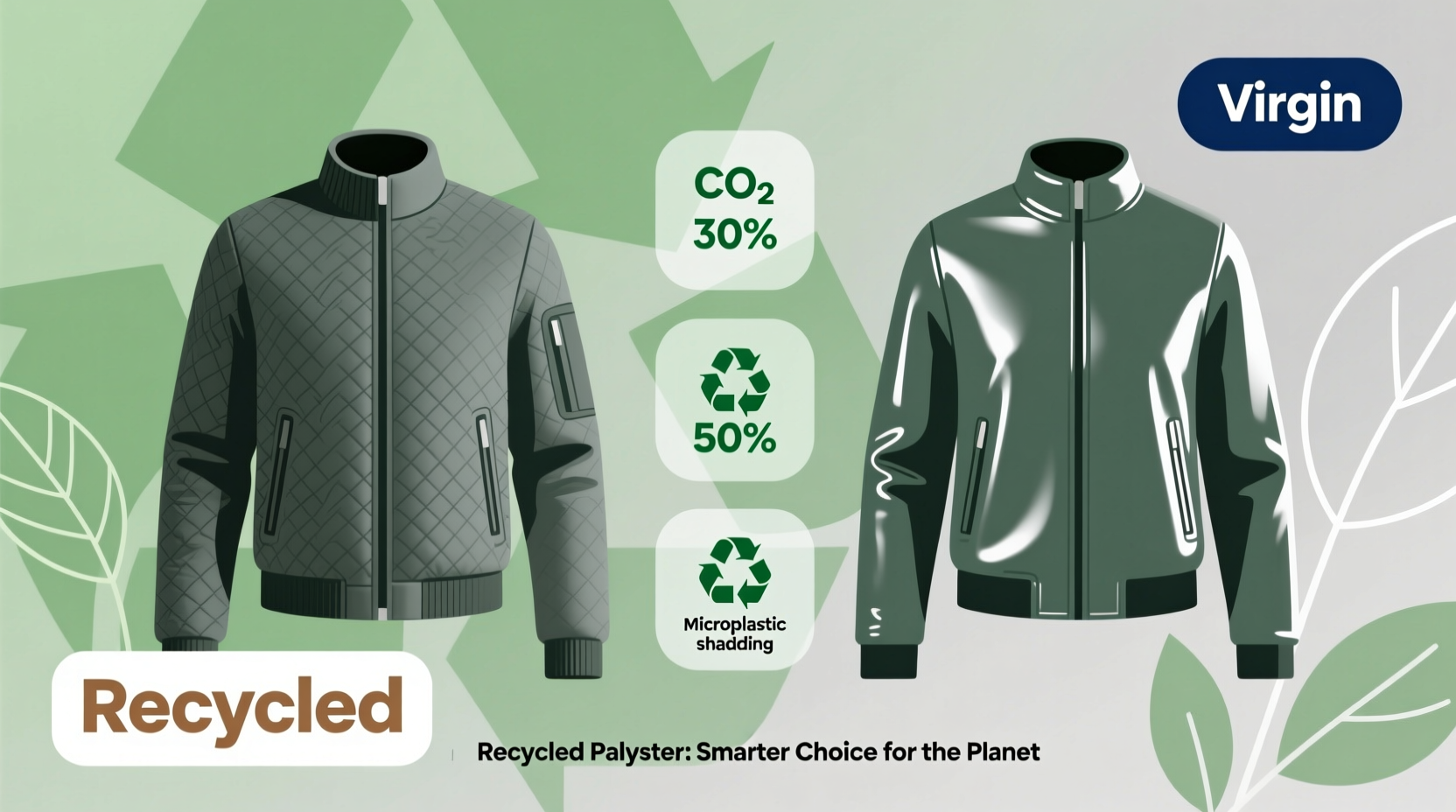
Polyester is a petroleum-based plastic fiber derived from fossil fuels. Virgin polyester is made directly from raw crude oil through a process that involves refining, polymerization, and extrusion into fibers. The result is a strong, lightweight fabric ideal for performance wear—but at a high environmental price.
Recycled polyester (rPET), on the other hand, is typically made from post-consumer plastic waste—mainly discarded PET bottles. These are cleaned, shredded, melted, and re-spun into new fibers. While chemically identical to virgin polyester, rPET repurposes existing plastic, reducing reliance on new fossil fuel extraction.
The shift toward rPET has been embraced by major outdoor and activewear brands like Patagonia, The North Face, and Adidas. Yet, while recycling sounds inherently better, it’s important to examine whether this alternative delivers meaningful environmental benefits across all stages of a jacket’s life cycle.
Environmental Impact Breakdown
To compare the true eco footprint of recycled versus virgin polyester jackets, we must analyze several key factors:
- Raw material sourcing
- Energy consumption during production
- Greenhouse gas emissions
- Water usage
- Chemical inputs
- Microplastic shedding
- End-of-life recyclability
1. Raw Material Sourcing
Virgin polyester relies entirely on non-renewable fossil fuels. Extracting and transporting crude oil contributes to habitat destruction, oil spills, and air pollution. In contrast, recycled polyester uses existing plastic waste, diverting bottles from landfills and oceans. According to a 2021 report by Textile Exchange, every ton of rPET produced saves approximately 5.7 barrels of oil.
However, the availability of high-quality post-consumer PET is limited. Contamination from food residue or mixed plastics can reduce yield and increase processing complexity. Additionally, not all rPET comes from bottles—some is sourced from industrial scrap or pre-consumer waste, which may not offer the same waste-diversion benefits.
2. Energy Consumption and Carbon Emissions
Manufacturing recycled polyester generally requires 30–50% less energy than producing virgin polyester. A study by the Swiss Federal Office for the Environment found that rPET production emits up to 32% fewer greenhouse gases compared to virgin polyester. This reduction stems from avoiding the energy-intensive cracking and refining stages of crude oil.
That said, energy savings depend heavily on the efficiency of recycling facilities and transportation logistics. If collected bottles are shipped long distances or processed in coal-dependent regions, the carbon advantage diminishes. Closed-loop recycling systems—where waste is collected locally and turned into fiber nearby—offer the greatest climate benefit.
“Switching to recycled polyester isn’t a silver bullet, but it’s a measurable step forward in decoupling textile production from fossil fuels.” — Dr. Jane Lu, Sustainable Materials Researcher, ETH Zurich
3. Water Usage
While polyester manufacturing is less water-intensive than natural fibers like cotton, water is still required for cooling, washing, and dyeing processes. Virgin polyester production consumes significant water indirectly through oil extraction and refining. rPET avoids much of this upstream demand.
However, both types of polyester require similar amounts of water during fabric finishing and garment dyeing. Innovations such as waterless dyeing technologies (e.g., supercritical CO₂ dyeing) can reduce this phase’s impact regardless of fiber origin.
4. Chemical Use and Pollution
The chemical profile of recycled and virgin polyester is nearly identical once spun into fiber. Both involve antimony-based catalysts and may contain formaldehyde or flame retardants depending on treatment. However, rPET introduces an additional risk: contamination from additives in original plastic products, such as UV stabilizers or dyes.
During recycling, these substances aren’t always fully removed, potentially leading to unintended chemical leaching. Reputable manufacturers address this with strict purification protocols, but transparency varies across supply chains.
5. Microplastic Shedding
One often-overlooked environmental issue is microfiber pollution. Every time a polyester jacket is washed, it sheds tiny plastic fibers that enter waterways and eventually oceans. Studies show no significant difference in shedding rates between recycled and virgin polyester—both contribute equally to microplastic contamination.
This means that even a jacket made from ocean-bound plastic bottles still pollutes aquatic ecosystems during use. Solutions include using microfiber-catching laundry bags, washing less frequently, and supporting development of biodegradable synthetics.
6. End-of-Life Considerations
Despite being technically recyclable, less than 1% of polyester clothing is actually recycled into new garments. Most ends up incinerated or in landfills, where it can take hundreds of years to decompose. Both recycled and virgin polyester face the same fate unless circular systems improve.
A key limitation is “downcycling”—most recycled textiles are turned into lower-value products like insulation or stuffing, not new apparel. True closed-loop recycling remains rare due to fiber degradation and mixed-material construction (e.g., zippers, linings).
Comparative Environmental Data Table
| Metric | Virgin Polyester Jacket | Recycled Polyester Jacket | Notes |
|---|---|---|---|
| Oil Consumption | High (5.7+ barrels/ton) | Negligible | rPET reduces fossil fuel dependency |
| Energy Use | 125 MJ/kg | 75–90 MJ/kg | ~30% reduction with rPET |
| CO₂ Emissions | 6.5–9.5 kg CO₂e/kg | 4.5–6.0 kg CO₂e/kg | Depends on recycling method and energy source |
| Water Use (fiber stage) | Low (indirect via oil) | Very low | Dyeing uses equal water for both |
| Microplastic Shedding | High | High | No meaningful difference |
| End-of-Life Recyclability | Limited | Limited | Circular infrastructure is underdeveloped |
Real-World Example: Patagonia’s Synchilla Fleece
In 1993, Patagonia made headlines by switching its iconic Synchilla fleece jackets from virgin to recycled polyester—becoming one of the first major brands to do so. The company began using plastic bottles collected from curbside recycling programs in California.
The transition reduced energy consumption by 32% per jacket and prevented millions of bottles from entering landfills. Over three decades, Patagonia estimates this shift has saved over 86 million bottles from disposal and cut CO₂ emissions equivalent to taking 15,000 cars off the road annually.
However, Patagonia also acknowledges limitations. Their current Worn Wear program encourages repair and resale because even recycled polyester garments shed microfibers and rarely get recycled again. This case illustrates that while material substitution helps, systemic change requires shifts in consumer behavior and infrastructure investment.
Actionable Checklist for Eco-Conscious Buyers
Choosing a sustainable jacket involves more than just checking the label. Use this checklist to make a genuinely lower-impact decision:
- ✅ Prioritize jackets made from 100% post-consumer recycled polyester
- ✅ Verify brand transparency—look for third-party certifications (e.g., GRS, RCS)
- ✅ Choose durable designs built to last 5+ years
- ✅ Avoid blended fabrics that hinder recyclability
- ✅ Commit to washing in cold water with a microfiber filter
- ✅ Plan for end-of-life: donate, resell, or return to brand take-back programs
Common Misconceptions About Recycled Polyester
Despite growing popularity, several myths persist about rPET:
- Myth: Recycled polyester is fully sustainable.
Reality: It reduces some impacts but still contributes to microplastic pollution and depends on finite waste streams. - Myth: All rPET comes from ocean plastic.
Reality: Most comes from land-based bottle recycling. “Ocean plastic” claims are often exaggerated or unverified. - Myth: Using rPET solves plastic waste.
Reality: Only a small fraction of global plastic waste is suitable for fiber recycling. Systemic waste reduction is still essential.
Frequently Asked Questions
Is recycled polyester really better for the environment?
Yes, overall. Recycled polyester reduces fossil fuel use, lowers energy consumption, and cuts greenhouse gas emissions by up to one-third compared to virgin polyester. However, it does not solve issues like microfiber pollution or landfill accumulation at end-of-life.
Can recycled polyester be recycled again?
Technically yes, but practically very difficult. Each recycling cycle degrades fiber quality, and most clothing contains mixed materials that complicate separation. Currently, less than 1% of recycled polyester garments are turned into new clothing.
Are there eco-friendly alternatives to polyester jackets?
Yes. Natural insulators like organic cotton, hemp, or responsibly sourced wool offer biodegradable options. For performance wear, some brands are experimenting with bio-based polyesters derived from corn or sugarcane, though scalability remains limited.
Taking Action: Beyond Material Choice
Selecting a jacket made from recycled polyester is a responsible step, but it’s only part of the solution. The most sustainable garment is the one already in your closet. Extending the life of any jacket by just nine months can reduce its carbon, water, and waste footprint by 20–30%, according to WRAP UK.
Repair tears, replace zippers, and store properly to prevent damage. When you’re done with a jacket, pass it on through resale platforms or brand take-back programs. Support policies that mandate extended producer responsibility and fund textile recycling innovation.
“The future of sustainable fashion isn’t just about what clothes are made from—it’s about how long they’re worn and what happens when we’re done with them.” — Elizabeth Cline, author of *The Conscious Closet*
Conclusion: Making Informed Choices for Long-Term Impact
When comparing recycled polyester jackets to those made from virgin polyester, the data clearly shows environmental advantages: reduced fossil fuel use, lower emissions, and less energy consumption. Choosing rPET supports a shift away from linear, extractive models toward more circular systems.
But recycled polyester is not a final solution. It still sheds microplastics, relies on imperfect recycling infrastructure, and perpetuates dependence on synthetic fibers. True sustainability requires combining better materials with longer use, responsible care, and systemic changes in production and policy.




 浙公网安备
33010002000092号
浙公网安备
33010002000092号 浙B2-20120091-4
Comments
No comments yet. Why don't you start the discussion?