
Sometimes delicate, often symbolic, and always striking—snake rings have become timeless pieces in modern jewelry collections. Whether crafted from gold, silver, or adorned with gemstones, their intricate designs make them both beautiful and vulnerable to damage during cleaning. Improper care can lead to tarnishing, weakened metal joints, or loosened stones. Understanding how to clean a snake ring safely ensures it retains its luster, structural integrity, and sentimental value for years to come.
Cleaning isn’t just about appearance; it’s about preservation. Residue from lotions, sweat, and environmental pollutants accumulates over time, dulling the finish and potentially corroding metals. The key is using gentle, targeted methods that respect the craftsmanship of the piece. Below are proven strategies to maintain your snake ring’s brilliance without risking harm.
Understanding Your Snake Ring’s Materials
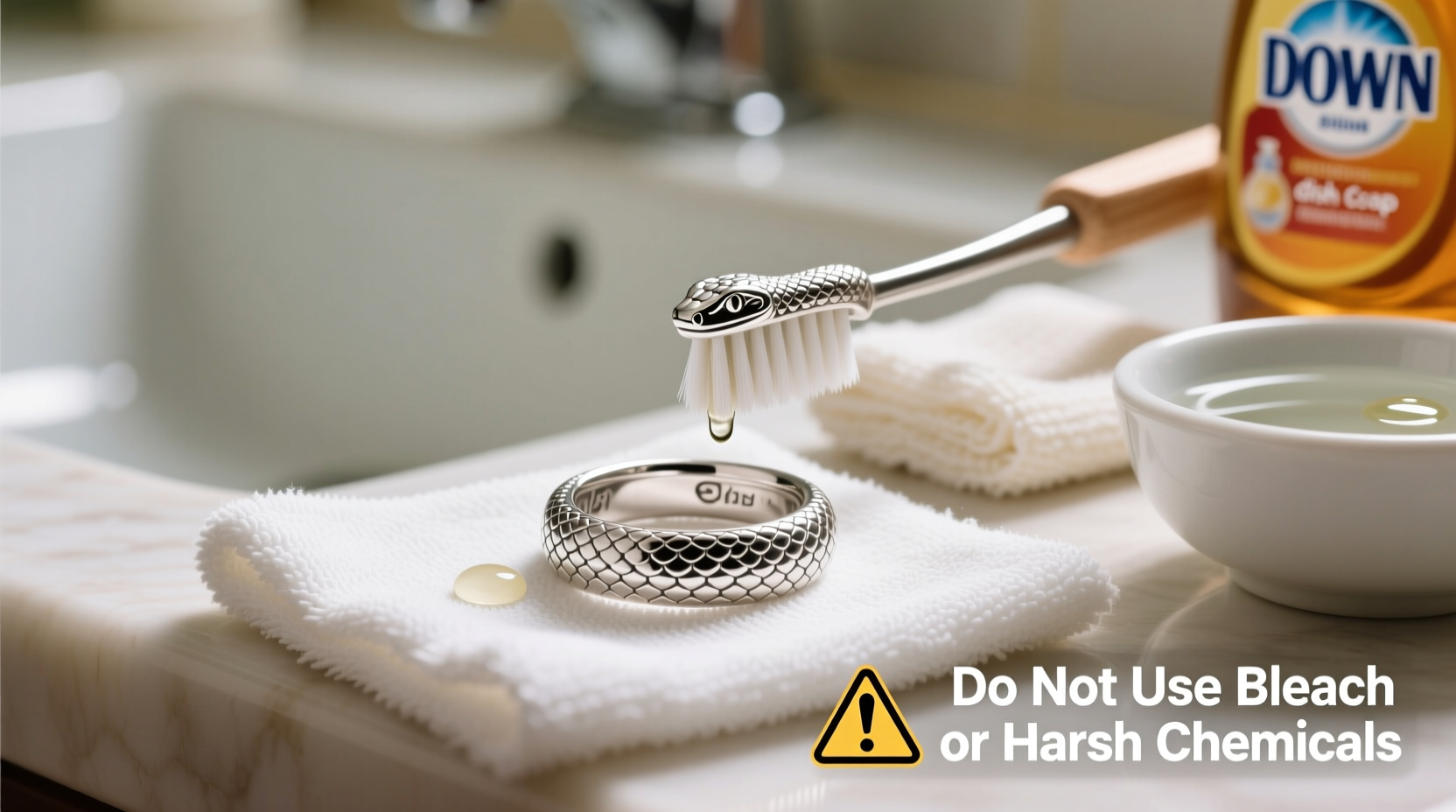
Before any cleaning begins, identifying the materials used in your snake ring is essential. Different metals and embellishments require different care protocols. Most snake rings fall into one of these categories:
- Gold (Yellow, White, or Rose): Durable but susceptible to scratches and buildup in crevices.
- Sterling Silver: Prone to tarnishing due to sulfur exposure in air and skin oils.
- Palladium or Platinum: More resistant to tarnish but still need periodic deep cleaning.
- With Gemstones (e.g., Eyes set with Onyx, Diamonds, or CZ): Require extra caution to avoid dislodging stones or damaging settings.
A hallmark stamp inside the band—such as “925” for silver or “14K” for gold—can help identify the metal. If unsure, consult a jeweler before proceeding with any home cleaning method.
Step-by-Step Guide: Safe Cleaning at Home
For most solid metal snake rings without fragile stones, a careful at-home cleaning process can restore shine effectively. Follow this timeline-based approach:
- Remove the Ring Safely: Take it off over a soft surface like a towel to prevent drops. Do not clean while wearing.
- Inspect Closely: Use a magnifying glass or bright light to check for loose stones, cracks, or worn metal along the snake’s body and head.
- Prepare a Mild Cleaning Solution: Mix a few drops of phosphate-free dish soap (like Dawn) with warm (not hot) water in a small bowl.
- Soak Gently: Submerge the ring for 15–20 minutes. This loosens grime trapped in textured areas like scales or coiled tails.
- Brush with Care: Use a soft-bristled toothbrush (baby or travel-sized) to lightly scrub along engraved details. Avoid pressing hard on joints or stone settings.
- Rinse Thoroughly: Hold under lukewarm running water to remove all soap residue. Plug the sink or use a strainer to prevent accidental loss.
- Dry Completely: Pat dry with a lint-free microfiber cloth. Air-dry upside down on tissue paper if moisture gets trapped beneath stones.
This method works well for weekly maintenance and should be performed every two to three weeks for regular wearers.
Do’s and Don’ts When Cleaning Intricate Jewelry
To prevent irreversible damage, adhere to best practices. The table below outlines critical guidelines:
| Do’s | Don’ts |
|---|---|
| Use mild, non-abrasive soap | Use bleach, ammonia, or chlorine |
| Clean with a soft toothbrush | Scrub aggressively with stiff brushes |
| Dry with a microfiber cloth | Let the ring air-dry on rough surfaces |
| Store separately in a fabric-lined box | Leave it near cosmetics or hairspray |
| Check prongs monthly | Ultrasonic clean vintage or antique pieces |
Chemicals found in household cleaners, perfumes, and pool water can erode metal finishes and weaken soldered joints. Even daily exposure adds up over time.
“Many customers bring in damaged snake rings after trying vinegar or baking soda pastes. These may seem natural, but they’re too abrasive for detailed settings.” — Lena Torres, Master Jeweler at Heritage Jewel Works
When to Avoid Home Cleaning: Special Cases
Not all snake rings are suitable for DIY cleaning. Certain conditions demand professional attention:
- Vintage or Antique Pieces: Older rings may have brittle metal or original patina that should not be stripped.
- Filigree Work or Enamel Details: Enamel can chip, and fine wirework can bend under pressure.
- Loose Stones or Damaged Settings: Cleaning could worsen instability and lead to stone loss.
- Plated or Vermeil Rings: Harsh scrubbing removes the thin top layer of precious metal.
In such cases, a professional jeweler can perform ultrasonic or steam cleaning with precision tools while inspecting structural integrity.
Real Example: Recovering a Tarnished Heirloom
Maria inherited a sterling silver snake ring from her grandmother. After decades in a drawer, it was heavily tarnished, and the onyx eyes looked cloudy. She initially tried rubbing it with a polishing cloth, which only smeared the grime. Instead of continuing, she consulted a local jeweler.
The jeweler examined the piece and advised against dip cleaners, which could strip the aged silver. They used a low-pressure steam system followed by hand polishing with a treated cloth. The onyx stones were gently wiped with a damp cotton swab. In under 30 minutes, the ring regained its elegance—without compromising its antique character.
Maria now cleans the ring every six weeks using the mild soap method and stores it in an anti-tarnish pouch. Her experience underscores the importance of knowing when to seek expertise.
FAQ: Common Questions About Cleaning Snake Rings
Can I use toothpaste to clean my snake ring?
No. Despite popular belief, toothpaste is mildly abrasive and can scratch softer metals like silver and gold. It may also leave residue in crevices that attracts more dirt.
Is it safe to use an ultrasonic cleaner at home?
Only if your ring is made of solid gold or platinum with securely set, durable stones like diamonds. Avoid ultrasonics for rings with opals, emeralds, or older craftsmanship. When in doubt, skip it.
How often should I clean my snake ring?
For everyday wear, clean every two to three weeks. For occasional use, once a month is sufficient. Always wipe with a dry cloth after wearing to minimize buildup.
Final Checklist for Safe Snake Ring Maintenance
- Identify the metal and stone types before cleaning.
- Inspect for loose parts or damage weekly.
- Use only mild dish soap and lukewarm water for home washing.
- Brush gently with a soft toothbrush—never metal or stiff bristles.
- Rinse thoroughly and dry completely before storing.
- Store flat in a padded jewelry box away from chemicals.
- Schedule annual professional cleaning and inspection.
Conclusion
Your snake ring is more than an accessory—it’s a statement of style, history, or personal meaning. Treating it with informed care ensures it continues to captivate without falling victim to preventable damage. By following gentle cleaning routines, respecting material limitations, and knowing when to call in a professional, you preserve not just its beauty but its legacy.




 浙公网安备
33010002000092号
浙公网安备
33010002000092号 浙B2-20120091-4
Comments
No comments yet. Why don't you start the discussion?