
Removing false nails may seem straightforward, but doing it incorrectly can lead to weakened, thin, or even damaged natural nails. Whether you wear acrylics, gels, press-ons, or dip powder, the removal process requires patience, proper tools, and gentle techniques. With rising demand for at-home nail care, knowing how to safely take off artificial enhancements is essential for maintaining strong, healthy nail beds. This guide outlines proven, dermatologist-approved methods that protect your natural nails while ensuring a clean, irritation-free removal.
Why Proper Removal Matters
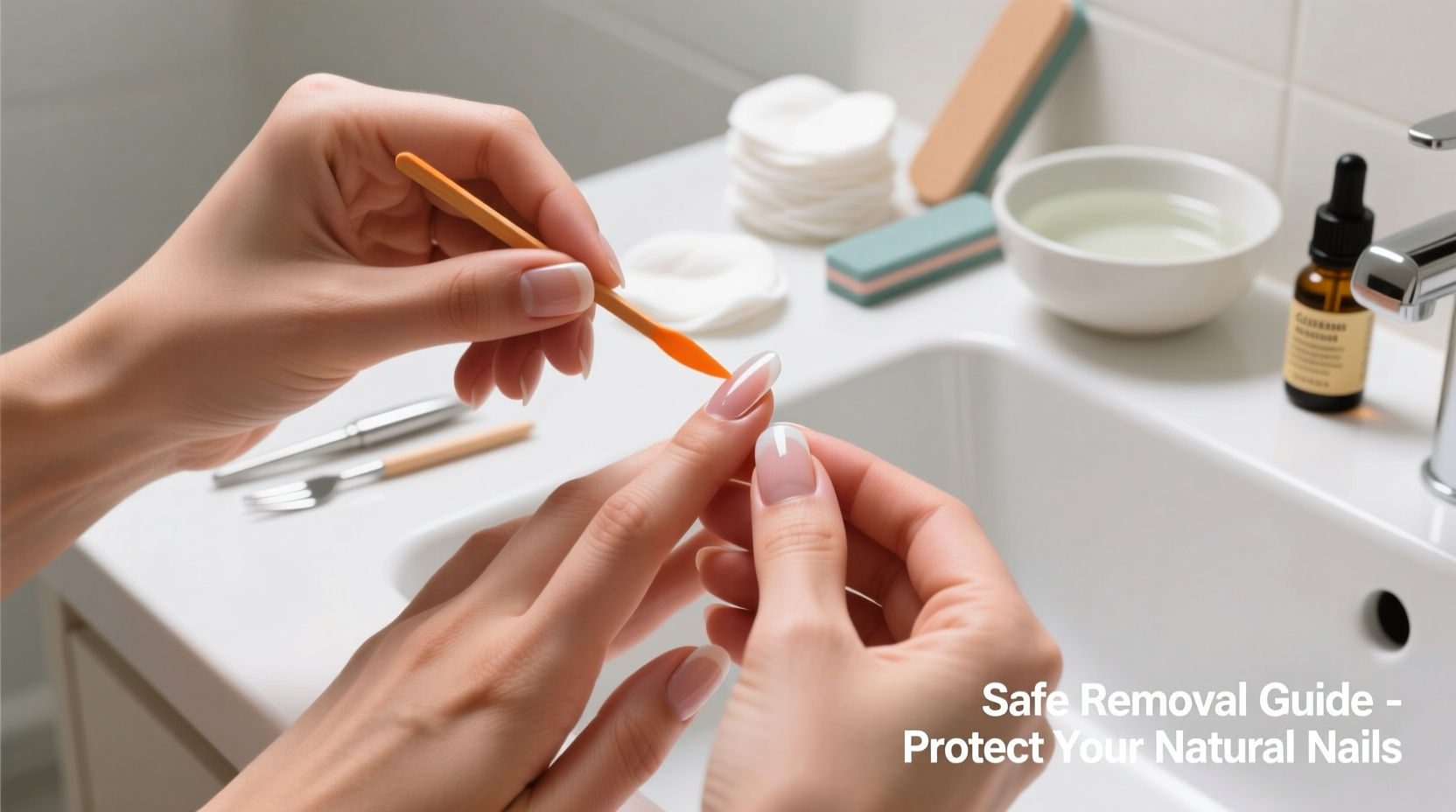
Natural nails are made of keratin, a protein that can become brittle or layered when exposed to harsh chemicals or mechanical stress. Artificial nails often require adhesives or bonding agents that glue them tightly to the nail plate. Peeling, picking, or aggressively filing them off can strip layers of the natural nail, leading to peeling, ridges, or infections. Over time, repeated improper removal contributes to onycholysis (separation of the nail from the bed) or fungal growth due to microtears in the nail matrix.
The goal isn’t just to get rid of the fake nails—it’s to preserve the health of what lies beneath. A slow, controlled approach prevents trauma and allows your nails to recover faster between applications.
“Improper removal is one of the top causes of long-term nail damage we see in clinic. Taking 15 extra minutes to do it right can save months of recovery.” — Dr. Lena Torres, Board-Certified Dermatologist & Nail Health Specialist
Step-by-Step Guide: Safe Removal by Type
Different false nails require different removal strategies. Using the wrong method can cause unnecessary harm. Below is a detailed breakdown for each major type.
1. Acrylic Nails
- Trim and file down the bulk of the acrylic using a coarse nail file (100/180 grit).
- Do not file down to the natural nail—stop once most of the artificial material is removed.
- Soak cotton pads in pure acetone (non-enriched) and place one on each nail.
- Wrap each fingertip with aluminum foil to hold the cotton in place.
- Wait 15–20 minutes. Check progress; if the acrylic softens, gently nudge it off with an orangewood stick.
- Never force or pry. If resistance occurs, re-soak for another 5–10 minutes.
- Once removed, buff lightly to smooth any residue and moisturize thoroughly.
2. Gel Nails
- Gently file the shiny top coat off each nail to break the seal—this helps acetone penetrate.
- Apply acetone-soaked cotton balls and wrap in foil as with acrylics.
- Soak for 10–15 minutes. Gels typically dissolve faster than acrylics.
- Use a cuticle pusher to carefully lift softened gel from the nail surface.
- Avoid scraping hard—gel should come off in soft sheets, not chunks.
- Finish with light buffing and hydration.
3. Press-On Nails
- Soak hands in warm, soapy water for 10–15 minutes to loosen adhesive.
- Use a cuticle stick to gently lift edges. Do not yank.
- If stubborn, apply a small amount of oil (jojoba or olive) around the edges to break the bond.
- Peel slowly in one motion once loosened.
- Clean remaining glue with a cotton swab dipped in acetone-free nail polish remover.
4. Dip Powder Nails
- File the top layer to dull the shine.
- Wrap acetone-soaked cotton in foil and soak for 15–20 minutes.
- Dip powder often bonds more strongly, so extended soaking may be needed.
- After softening, use a wooden stick to gently scrape off residue.
- Moisturize immediately post-removal—dip powders tend to dehydrate the nail plate.
Do’s and Don’ts: What to Avoid During Removal
| Do’s | Don’ts |
|---|---|
| File down bulk before soaking | Peel or bite off artificial nails |
| Use foil wraps for consistent acetone contact | Scrape aggressively with metal tools |
| Moisturize hands and cuticles after removal | Soak for more than 25 minutes (can over-dry natural nails) |
| Use cuticle oil daily during recovery | Reapply fake nails immediately after removal |
| Give nails 3–7 days to breathe post-removal | Use non-acetone removers for acrylics/gel (ineffective) |
Real Example: Recovery After Improper Removal
Sarah, a 29-year-old graphic designer, regularly wore acrylics for client meetings. After growing tired of her set, she tried removing them herself by soaking briefly and then prying them off with a fork. Within days, her nails were thin, painful, and layered like onion skin. She avoided polish for two months and developed sensitivity to water.
She consulted a nail technician who advised a six-week recovery protocol: daily cuticle oil, weekly hydrating masks (using vitamin E and lanolin), and no polish. By week four, new nail growth appeared stronger. Her mistake? Skipping proper soaking and applying force. Her recovery emphasized that even minor trauma can delay nail regeneration by weeks.
Post-Removal Care Checklist
- ✅ Gently wash hands with mild soap and pat dry
- ✅ Apply cuticle oil (jojoba, almond, or vitamin E-based) 2x daily
- ✅ Use a nail strengthener with calcium or hydrolyzed wheat protein if nails feel weak
- ✅ Avoid harsh detergents or prolonged water exposure for 48 hours
- ✅ Wear gloves when cleaning or washing dishes
- ✅ Refrain from reapplying artificial nails for at least 3–7 days
- ✅ Maintain short, rounded shapes to reduce snagging and splitting
Frequently Asked Questions
Can I remove gel nails without acetone?
No, acetone is the only solvent effective at breaking down the polymer structure of gel polish. Non-acetone removers will not work and may cause you to file excessively, damaging the nail plate. However, you can minimize dryness by mixing a few drops of oil into the acetone or using foil wraps to reduce evaporation.
How often should I take breaks from false nails?
Dermatologists recommend a minimum of 1–2 weeks of break for every 6–8 weeks of wear. Continuous application without rest prevents the nail from regenerating fully and increases the risk of thinning, discoloration, and infection.
My nails are white and chalky after removal—should I be worried?
Chalkiness often results from dehydration or minor keratin granulation caused by prolonged sealing under artificial nails. It usually resolves within a few days with hydration. If white spots persist, spread, or are accompanied by pain, consult a dermatologist to rule out fungal infection.
Final Thoughts: Prioritize Long-Term Nail Health
False nails offer beauty and convenience, but their removal is just as important as their application. Rushing the process or cutting corners risks compromising the integrity of your natural nails. By following these safe, structured methods—and giving your nails time to recover—you maintain both aesthetics and long-term strength.
Healthy nails grow about 3 millimeters per month. Damage might seem temporary, but repeated trauma accumulates. Investing time in proper removal today means fewer repairs tomorrow.




 浙公网安备
33010002000092号
浙公网安备
33010002000092号 浙B2-20120091-4
Comments
No comments yet. Why don't you start the discussion?