
When it comes to controlling natural light in your home, the choice between sheer tiebacks and weighted curtains isn’t just about aesthetics—it’s a functional decision that impacts sleep quality, energy efficiency, and daily comfort. Many people assume that any curtain can reduce sunlight, but the reality is far more nuanced. Sheer fabrics, even when tied back, allow significant light penetration, while weighted curtains—especially those designed with blackout lining—are engineered to minimize or eliminate light entry. Understanding the differences helps you make an informed choice based on your needs.
Understanding Light Control: The Core Difference
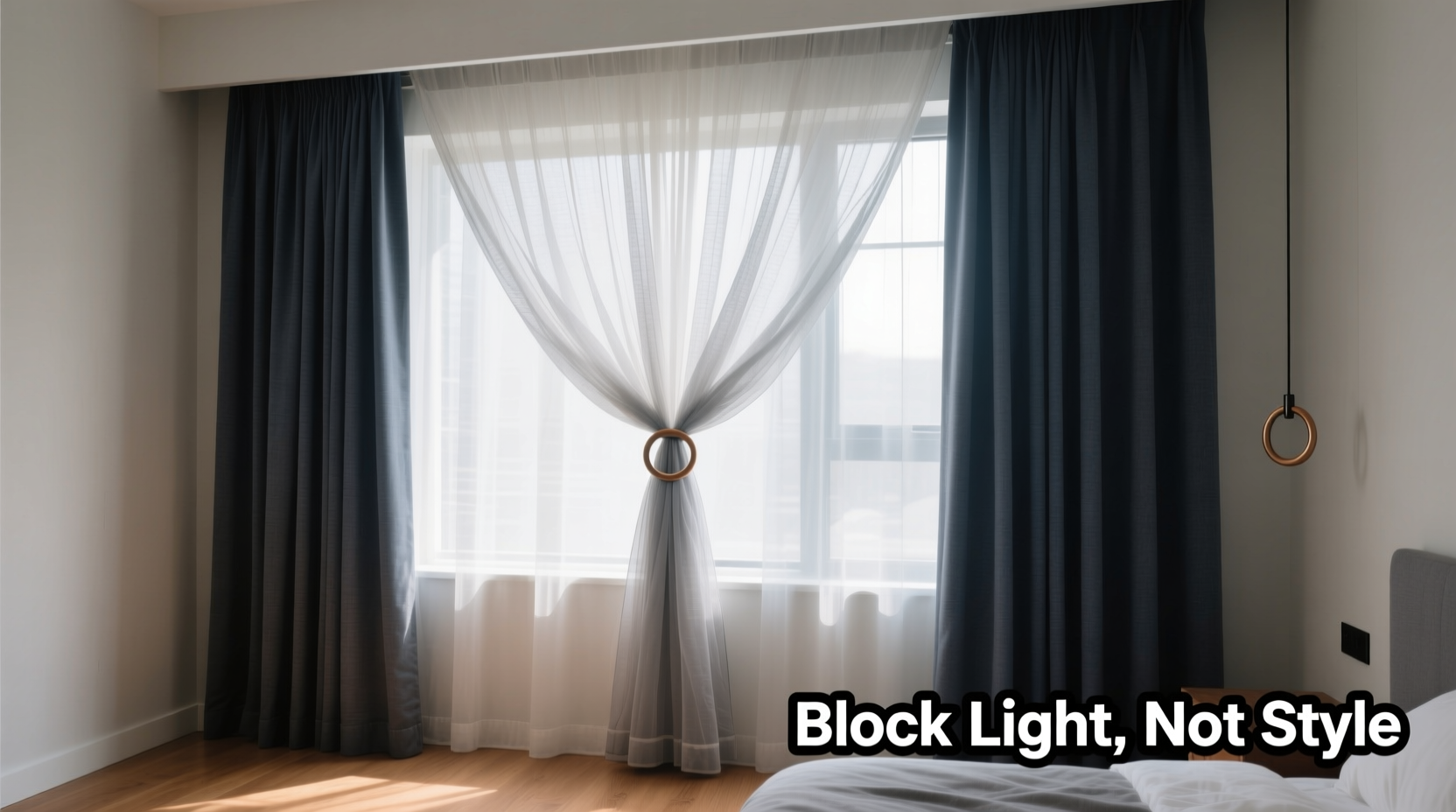
The fundamental distinction lies in fabric density and construction. Sheer curtains are typically made from lightweight, translucent materials like voile, chiffon, or organza. Their primary function is to diffuse light and provide a soft glow while maintaining visibility and ventilation. When pulled back with tiebacks, they serve more as decorative accents than light blockers. In contrast, weighted curtains often incorporate multiple layers, including blackout linings, thermal insulation, and denser weaves. These features physically prevent sunlight from passing through, making them ideal for bedrooms, media rooms, or spaces where darkness is essential.
A common misconception is that pulling sheer curtains aside reduces light exposure. While this opens the window fully, the act of tying them back doesn’t change their inherent transparency. Sunlight still floods the room directly through the uncovered glass and indirectly through ambient reflection off the sheer fabric itself.
“Light blocking isn’t about coverage alone—it’s about material integrity and how well the fabric resists light transmission.” — Dr. Lena Torres, Interior Environmental Specialist
How Weighted Curtains Block Light More Effectively
Weighted curtains are specifically designed for superior light control. They often include:
- Blackout lining: A tightly woven, opaque layer bonded to the back of the curtain that stops nearly all light.
- Denser fabric: Materials like polyester blends, cotton duck, or triple-weave textiles reduce translucency.
- Bottom weights: Internal rods or sewn-in beads keep the curtain flush against the window frame, eliminating gaps where light leaks in.
- Overlapping panels: Double-hung setups ensure no central gap when closed.
These design elements work together to create what interior designers call a “sealed” environment. When properly installed—extending beyond the window frame on all sides—weighted blackout curtains can block 95% to 99% of incoming light. This makes them particularly effective for shift workers, children’s nap times, or anyone sensitive to early morning sun.
Comparison: Sheer Tiebacks vs. Weighted Curtains
| Feature | Sheer Tiebacks | Weighted (Blackout) Curtains |
|---|---|---|
| Light Blockage | Minimal (10–20%) | High (95–99%) |
| Privacy Level | Low during daytime, none at night when lights are on | High, especially when closed |
| Material Density | Lightweight, breathable | Heavy, layered, non-porous |
| Best Use Case | Living rooms, kitchens, sunrooms | Bedrooms, nurseries, home theaters |
| Energy Efficiency | Low | High (insulates against heat/cold) |
Real-World Example: A Shift Worker’s Bedroom Makeover
Consider Maria, a nurse working overnight shifts in Phoenix. Despite closing her windows, she struggled to sleep past 7 a.m. due to intense desert sunlight. Her bedroom had sheer curtains with decorative tiebacks—beautiful in the evening, but ineffective during daylight hours. After switching to floor-length, triple-weave blackout curtains with weighted hems and mounting them to extend 8 inches beyond the window frame on both sides, she noticed an immediate difference. Room brightness dropped dramatically, and her melatonin levels stabilized. Within a week, she was sleeping an additional two hours per day.
This case illustrates that aesthetic choices must align with lifestyle demands. For Maria, beauty without functionality disrupted her health. Once she prioritized performance over appearance during sleep hours, her quality of life improved significantly.
Step-by-Step Guide to Maximizing Light Blockage
- Assess your room’s light exposure: Note the direction the window faces and peak sunlight hours.
- Measure accurately: Add 4–8 inches to the width and height of your window to ensure full coverage.
- Select blackout-rated curtains: Look for terms like “blackout,” “room darkening,” or “triple weave.” Check customer reviews for mentions of light leakage.
- Install hardware above the window: Mount the rod 4–6 inches above the frame and extend it 3–4 inches beyond each side.
- Seal the edges: Use tension rods, magnetic strips, or curtain side tracks to close gaps where light sneaks in.
- Add a valance or cornice: This prevents light from spilling over the top edge of the curtain.
Frequently Asked Questions
Can sheer curtains block any light at all?
Yes, but minimally. Sheer curtains diffuse and soften sunlight rather than block it. They reduce glare and UV exposure slightly but won’t darken a room. When tied back, they offer virtually no light control.
Do weighted curtains work if not fully closed?
No. Even a small gap—especially at the center or sides—can let in significant light. For true blackout performance, the curtains must be fully closed and properly aligned with no exposed window space.
Are there stylish blackout curtain options available?
Absolutely. Modern blackout curtains come in a wide range of colors, textures, and designs—from minimalist linen-look fabrics to bold printed patterns. You don’t have to sacrifice style for function.
Action Checklist: Choosing the Right Solution
- ☐ Identify the primary purpose of the room (sleep, relaxation, work).
- ☐ Determine whether light filtering or complete blockage is needed.
- ☐ Measure your window dimensions and plan for extended rod placement.
- ☐ Prioritize blackout-rated materials with dense weaves and lining.
- ☐ Consider dual-layer systems: blackout behind sheer, allowing flexibility.
- ☐ Install hardware correctly to minimize light gaps.
Final Recommendation: Function First, Then Form
If your goal is to block more light, weighted curtains are the clear winner. Sheer tiebacks enhance openness and elegance but do little to reduce illumination. However, this doesn’t mean you must abandon aesthetics entirely. Many homeowners successfully combine both: installing sheer curtains for daytime use and layering blackout panels behind them for nighttime closure. This hybrid approach offers versatility, letting you adjust light levels throughout the day without sacrificing visual appeal.
Ultimately, the best window treatment supports your daily rhythm. For restful sleep, uninterrupted focus, or optimal viewing conditions, invest in performance-driven solutions. Weighted blackout curtains deliver measurable benefits that sheer fabrics simply cannot match.




 浙公网安备
33010002000092号
浙公网安备
33010002000092号 浙B2-20120091-4
Comments
No comments yet. Why don't you start the discussion?