
In 2025, the smartphone landscape is more competitive than ever. While Android continues to dominate global market share with its diversity of devices and price points, Apple’s iPhone maintains a fiercely loyal user base thanks to its tightly integrated ecosystem and long-term software support. If you’ve spent years on Android and are now wondering whether it’s time to make the leap to iOS, you’re not alone. Millions face this decision annually—often prompted by new features, shifting priorities, or frustration with their current platform.
The choice isn’t just about hardware or camera specs; it’s about lifestyle integration, long-term value, app compatibility, privacy approach, and even social dynamics. This guide dives deep into the real advantages and drawbacks of switching from Android to iPhone in 2025, backed by practical insights, user experiences, and forward-looking trends.
Ecosystem Integration: The Core Advantage of iPhone
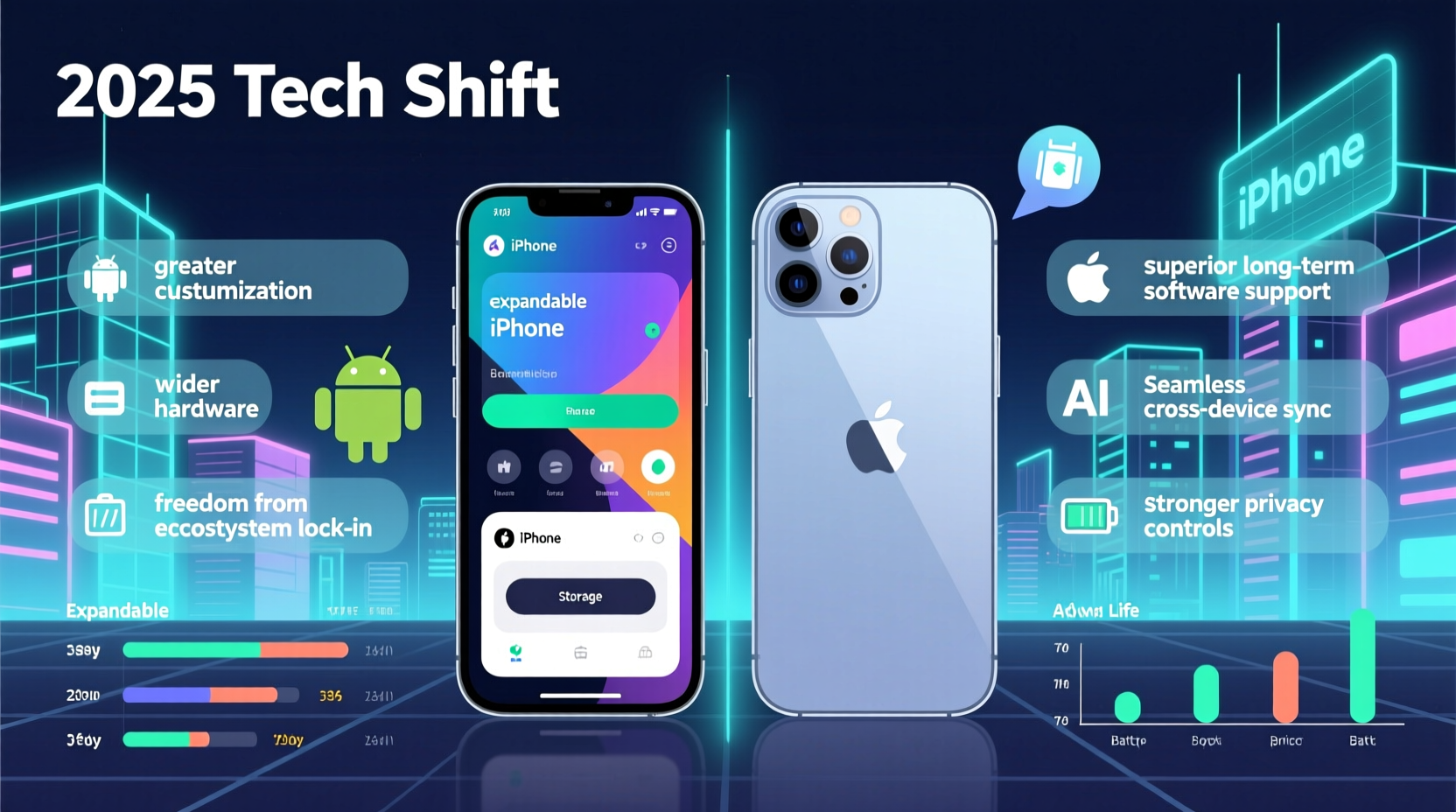
One of the most compelling reasons users switch to iPhone is Apple’s seamless ecosystem. If you own—or plan to own—an iPad, Mac, Apple Watch, AirPods, or HomePod, the level of integration across devices can significantly enhance productivity and convenience.
For example, copying text on your iPhone and pasting it directly on your MacBook, receiving FaceTime calls on multiple devices, or using AirDrop to transfer files between Apple devices in seconds—all these features work effortlessly within the Apple universe. Handoff, Universal Clipboard, iCloud Keychain, and Continuity Camera are not just marketing terms; they deliver tangible quality-of-life improvements.
Android has made strides with Samsung’s Smart Switch, Google’s Quick Share, and cross-device features like Phone Hub on Chromebooks. But these remain fragmented across manufacturers and lack the consistency Apple delivers. Google’s ecosystem is improving, especially with Pixel phones and Wear OS, but it still trails Apple in depth and reliability.
Software Longevity and Security Updates
iPhone wins decisively in long-term software support. In 2025, most new iPhones will continue receiving major iOS updates for 5–7 years—a standard unmatched by nearly all Android OEMs.
Compare this to Android, where only Google’s Pixel line guarantees seven years of OS and security updates (starting from 2023). Most Samsung Galaxy devices get four to five years, while other brands often stop at two or three. For budget Android phones, one major OS update is common.
This longevity translates to better resale value and reduced e-waste. A 2021 iPhone 13 still runs iOS 18 smoothly in 2025. Meanwhile, many Android phones from the same era struggle with performance or lack access to newer features.
“Apple’s commitment to long-term software support sets a benchmark the industry is still trying to catch up to.” — David Lin, Mobile Software Analyst at TechInsight Group
Security is another area where iPhones generally lead. iOS’s closed architecture and strict App Store review process reduce exposure to malware. While Android offers more flexibility, it also opens doors to sideloading risks and inconsistent patch delivery across devices.
Hardware and Customization: Where Android Shines
If personalization and hardware variety matter to you, Android remains the more flexible platform. In 2025, Android offers foldable phones, ultra-thin flagships, rugged devices, and models with replaceable batteries—options absent from Apple’s lineup.
You can change default apps, launchers, icon packs, and even system-wide themes on Android. Features like split-screen multitasking, floating windows, and deeper file system access give power users more control. With an iPhone, customization is limited to widgets, home screen arrangements, and app libraries.
Additionally, Android supports expandable storage via microSD cards (on select models), USB-C direct transfers, and broader accessory compatibility. iPhones rely entirely on iCloud or third-party cloud services for backup and syncing, and physical data transfer requires iTunes or macOS Finder.
| Feature | iPhone (2025) | Top-Tier Android (2025) |
|---|---|---|
| OS Update Support | 5–7 years | 3–7 years (varies by brand) |
| Default App Control | Limited (Safari, Mail, etc.) | Full (browser, SMS, launcher) |
| Expandable Storage | No | Yes (select models) |
| Foldable Options | No | Multiple (Samsung, OnePlus, etc.) |
| Battery Replaceability | Service-only | Easier on some models |
Real User Experience: A Case Study
Sarah, a digital marketer from Austin, used Samsung Galaxy phones for over a decade. In early 2024, she switched to an iPhone 15 Pro after joining a company that standardized on MacBooks and iPads. Her initial reaction was mixed.
“I loved how my phone automatically connected to my Mac for messages and how I could answer calls from my laptop,” she said. “But I missed having a customizable home screen and the ability to quickly move files via USB-C. It took me weeks to adjust to iMessage group chat quirks and losing my favorite Android automation tools.”
After six months, Sarah concluded the switch was worth it. “The battery life is better, updates arrive instantly, and my work devices feel like one system now. But if I were purely a consumer—not tied to a Mac-heavy office—I might have stayed with Android.”
Her experience highlights a key truth: switching success depends heavily on your existing tech stack and daily workflows.
iMessage and Social Lock-In
In many regions—especially North America—iMessage has become a de facto communication standard. When Android users message iPhone users, texts appear as green bubbles (SMS/MMS), while blue bubbles indicate iMessage (encrypted, feature-rich).
This distinction leads to real-world consequences. Features like read receipts, typing indicators, high-quality photo sharing, and reactions only work between iPhones. Group chats with mixed users often suffer formatting issues, delayed media, or missing features. Some users report feeling socially excluded or miscommunicating due to these inconsistencies.
While Google Messages with RCS aims to close the gap, carrier support remains spotty in 2025. Even in countries where RCS is active, adoption isn’t universal. If your friends, family, or coworkers are mostly on iPhone, staying on Android can feel like being on the outside looking in.
Cost Considerations and Value Over Time
iPhones typically carry higher upfront prices than comparable Android devices. An iPhone 16 in late 2025 will likely start around $799, while flagship Android phones like the Google Pixel 9 Pro or Samsung Galaxy S25 may offer similar specs at slightly lower entry points.
However, total cost of ownership often favors iPhone. Due to longer software support and better resale value, iPhones depreciate slower. A well-maintained iPhone can retain 50–60% of its value after two years, compared to 30–40% for most Android phones.
Moreover, Apple’s trade-in programs and financing options (like Apple Card monthly installments) make upgrades more predictable. Android users often face steeper declines in performance after 2–3 years, pushing earlier replacements.
Step-by-Step Guide to Switching Safely in 2025
Making the switch doesn’t have to be disruptive. Follow this timeline to ensure a smooth transition:
- Week 1: Audit Your Current Setup – List your essential apps, cloud services, and accessories. Check iOS compatibility for each.
- Week 2: Test Drive an iPhone – Visit an Apple Store or borrow a friend’s device. Try core tasks: messaging, navigation, photo editing, and work apps.
- Week 3: Backup & Prepare – Use Google’s “Move to iOS” app to transfer contacts, messages, photos, and calendars. Export passwords from your password manager.
- Switch Day: Activate Your iPhone – During setup, choose “Transfer from Android” and follow prompts. Reinstall critical apps from the App Store.
- First Month: Optimize & Adapt – Customize your home screen, enable iCloud sync, explore Shortcuts automation, and learn iOS gestures.
Allow yourself time to adjust. Muscle memory for gestures, app locations, and notification management takes 2–4 weeks to retrain.
Frequently Asked Questions
Will my Android apps work on iPhone?
Most major apps like WhatsApp, Instagram, Spotify, and Google services have iOS versions. However, some Android-exclusive apps (e.g., certain banking or regional tools) may not be available. Always verify critical app availability before switching.
Can I keep my phone number when switching?
Yes. Your number is tied to your SIM card and carrier account, not your operating system. Use your carrier’s porting process or let Apple assist during activation.
Is the camera really better on iPhone?
It depends on usage. iPhones excel in consistent color science, dynamic range, and video stabilization—ideal for vlogging and professional content. High-end Android phones often offer superior zoom, night mode, and AI enhancements. For casual photography, both platforms deliver excellent results in 2025.
Checklist: Is Switching Right for You?
- ☑ Do you already own or plan to buy a Mac, iPad, or Apple Watch?
- ☑ Is long-term software support important to you?
- ☑ Are most of your contacts using iMessage?
- ☑ Do you value simplicity and tight security over customization?
- ☑ Are you frustrated with slow Android updates or device slowdowns?
- ☐ Do you rely on specific Android-only features (e.g., sideloading, Tasker)?
- ☐ Do you prefer lower upfront costs and hardware variety?
If you checked more boxes in the first group, iPhone is likely a good fit. If the bottom items resonate more, sticking with Android—or choosing a premium Pixel—may serve you better.
Final Verdict: Should You Make the Switch?
Switching from Android to iPhone in 2025 makes strategic sense if you prioritize ecosystem cohesion, long-term reliability, and seamless integration with other Apple devices. The benefits are most pronounced for professionals, creatives, and families already invested in Apple’s world.
However, Android remains the platform of choice for those who value hardware innovation, customization, open ecosystems, and budget flexibility. With Google’s AI advancements in Android 15 and improved Pixel integration, the gap in intelligence and usability is narrowing.
Ultimately, the decision isn’t about which phone is “better”—it’s about which ecosystem aligns with your life. Technology should serve you, not the other way around.




 浙公网安备
33010002000092号
浙公网安备
33010002000092号 浙B2-20120091-4
Comments
No comments yet. Why don't you start the discussion?