
For many cat owners, the joy of watching their feline pounce, chase, and bat at toys comes with an inevitable side effect: scattered plastic mice, crinkly balls, and feather wands in every corner of the house. While cats thrive on play, their toys often become the most visible source of household clutter. The good news is that organizing cat toys doesn’t require elaborate systems or expensive storage units. With thoughtful planning and consistent habits, you can maintain a tidy space while still encouraging your cat’s natural instincts.
The key lies in combining functionality with accessibility—keeping toys within reach for your cat but out of sight for you. This balance not only improves your home’s aesthetics but also enhances your cat’s environment by rotating toys regularly and reducing sensory overload.
Assess Your Cat's Play Style
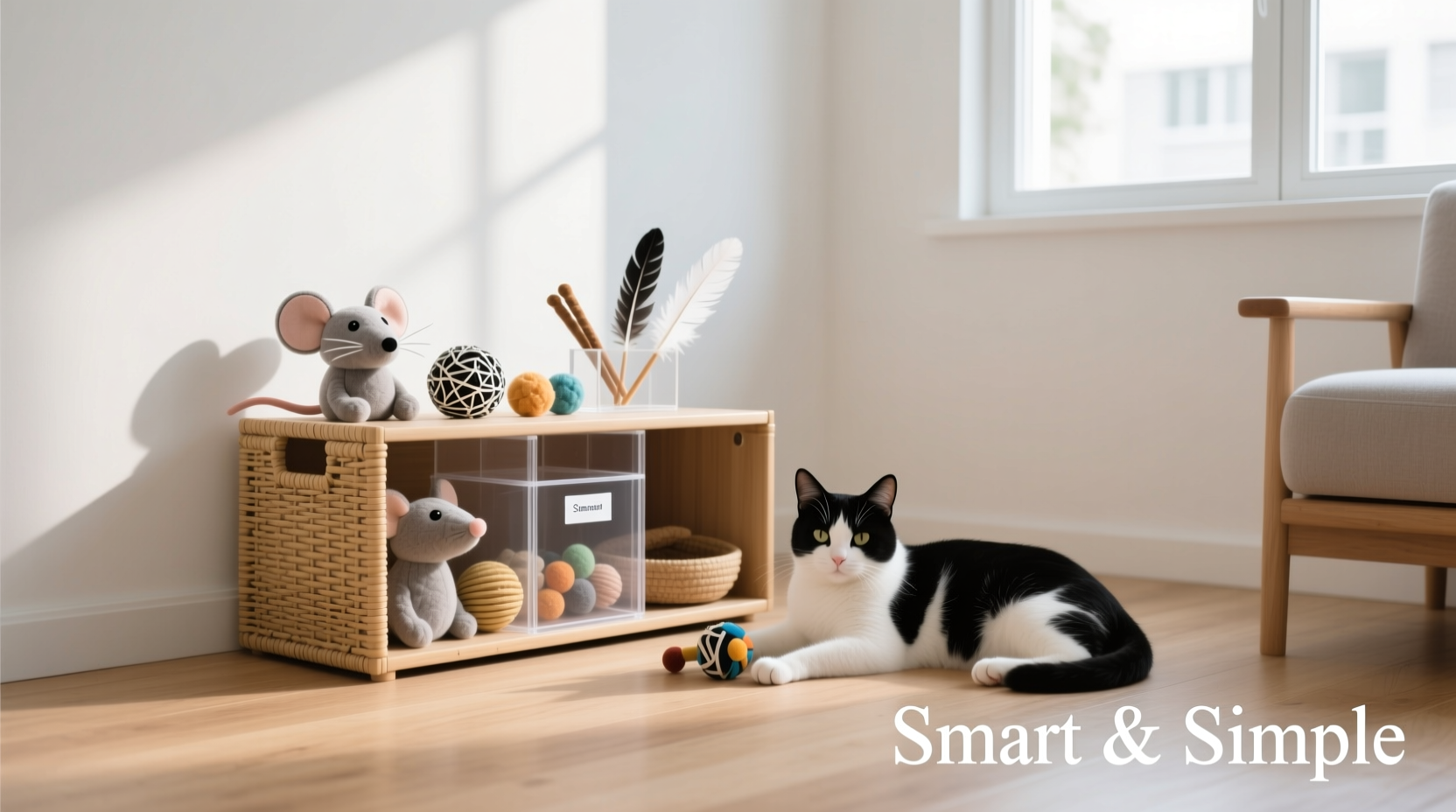
Before choosing how to store toys, understand what kinds of toys your cat actually uses. Some cats prefer lightweight wand toys they can toss around; others obsess over motorized mice or puzzle feeders. Observing your cat’s behavior helps determine which toys to keep, which to rotate, and how best to categorize them.
For example, if your cat ignores plush toys but chases anything that rolls, prioritize storage solutions that make rolling toys easy to access and contain. If your cat enjoys interactive play, designate a small basket near your favorite seating area for quick grab-and-play moments.
Choose the Right Storage Solutions
Effective organization starts with selecting appropriate containers. Not all storage works equally well for pet items, especially when children or other pets are present. Consider durability, ease of access, and visual appeal when choosing where to store toys.
Clear bins allow you to see contents without opening them. Baskets made from natural fibers like seagrass blend into living spaces while hiding clutter. For high-traffic areas, opt for lidded containers with ventilation holes to prevent dust buildup and odors.
| Storage Type | Best For | Limitations |
|---|---|---|
| Wall-mounted shelves with bins | Active cats who jump | Requires secure installation |
| Decorative baskets under tables | Living rooms, bedrooms | Limited capacity |
| Hanging organizers (shoe racks) | Small toys, feathers, bells | May swing if batted by cat |
| Cube storage units | Large collections, multiple categories | Takes floor space |
Create Zones for Different Toy Types
Grouping similar toys together streamlines both cleanup and playtime. Designate zones based on function: one area for solo play, another for interactive toys used during bonding time. This method reduces chaos and makes it easier to find specific toys when needed.
Consider these common categories:
- Chase toys: Balls, motorized mice, spring toys
- Batting toys: Hanging strings, dangling feathers
- Puzzle toys: Treat dispensers, mazes
- Comfort toys: Soft plushies, crinkle tunnels
Assign each category a labeled bin or shelf. Use color-coded tags or icons if multiple family members help manage toy rotation. Over time, this system trains both humans and cats to associate certain areas with specific types of play.
“Cats respond well to environmental predictability. A consistent toy layout supports mental health and reduces anxiety.” — Dr. Lena Patel, Feline Behavior Specialist
Step-by-Step Guide to Organizing Cat Toys
Follow this five-step process to declutter and organize your cat’s toys efficiently:
- Gather all toys in one place. Collect every toy from around the house—even those hidden under furniture or behind doors.
- Sort and evaluate. Separate into keep, donate, or discard piles. Discard broken, frayed, or unsafe items immediately.
- Categorize remaining toys. Group by type (e.g., chase, puzzle, comfort) as outlined earlier.
- Select storage locations. Place frequently used toys in accessible spots; store backups in less visible areas like closets or high shelves.
- Establish a rotation schedule. Swap out 50–70% of active toys weekly to keep your cat engaged without overwhelming the space.
Real-Life Example: The Johnson Family’s Living Room Transformation
The Johnsons loved their two playful rescue cats, Luna and Milo, but struggled with constant toy scatter across their open-concept living area. Every morning, they’d step on jingle balls or trip over feather wands. After researching solutions, they implemented a zone-based system using a cube organizer beside the sofa.
Each cube held a different toy category: one for chasing, one for batting, and one for treat puzzles. They added a hanging shoe organizer on the back of a nearby closet door for smaller accessories. By rotating toys weekly and setting a 10-minute nightly cleanup routine, they reduced visible clutter by 80% within three weeks. Their cats remained highly engaged, and guests no longer mistook their living room for a toy store.
Common Mistakes to Avoid
Even well-intentioned efforts can backfire if not thought through. Here are frequent pitfalls and how to avoid them:
- Overstocking: Too many toys available at once leads to boredom and mess. Limit active toys to 5–7 per cat.
- Ignoring safety: Strings, loose parts, or small components should be used only under supervision and stored securely afterward.
- Placing storage out of reach: If it’s too inconvenient to put toys away, the system fails. Keep bins within arm’s reach of play zones.
- Using unsecured containers: Cats may knock over lightweight baskets. Anchor tall units or choose low-profile options.
Checklist: Maintain a Clutter-Free Cat Toy System
Use this checklist weekly to ensure your organization system stays effective:
- ☐ Remove damaged or dirty toys immediately
- ☐ Wipe down shared toys with pet-safe cleaner
- ☐ Rotate 50–70% of current toys with stored ones
- ☐ Vacuum around play zones to remove fur and debris
- ☐ Confirm all storage units are stable and secure
- ☐ Observe cat’s reaction to new toy rotation
Frequently Asked Questions
How many toys does a cat really need?
Cats benefit more from variety over quantity. Having 5–7 toys rotated weekly is more stimulating than leaving 20 toys out at once. Over-saturation can lead to decreased interest and increased mess.
Can I use regular household organizers for cat toys?
Yes, but choose durable, non-toxic materials. Avoid containers with sharp edges or flimsy construction. Clear bins with labels work exceptionally well for quick identification.
What’s the best way to clean cat toys?
Soft toys can usually be hand-washed with mild soap and air-dried. Hard plastic or rubber toys can be wiped with a pet-safe disinfectant. Always check manufacturer instructions, especially for electronic toys.
Final Thoughts
Organizing cat toys isn’t about achieving perfection—it’s about creating harmony between your cat’s needs and your desire for a peaceful, tidy home. Simple strategies like categorizing, rotating, and using smart storage go a long way in reducing daily clutter without sacrificing fun or enrichment.
Start small: pick one play area, sort the toys, and assign them a designated home. Build consistency through short daily habits rather than major overhauls. When the system works for both you and your cat, maintenance becomes effortless.




 浙公网安备
33010002000092号
浙公网安备
33010002000092号 浙B2-20120091-4
Comments
No comments yet. Why don't you start the discussion?