
A large capacity shoulder bag is a versatile companion for professionals, students, travelers, and creatives. Its generous interior offers room for everything from laptops and notebooks to gym clothes and snacks. But with great space comes great responsibility: without intentional organization, even the most thoughtfully designed bag can become a chaotic jumble of misplaced items. The key to unlocking its full potential lies not just in what you carry, but in how you arrange it. By applying smart storage strategies, you can transform your shoulder bag into a streamlined, efficient system that supports productivity and reduces daily stress.
Assess Your Daily Carry Needs
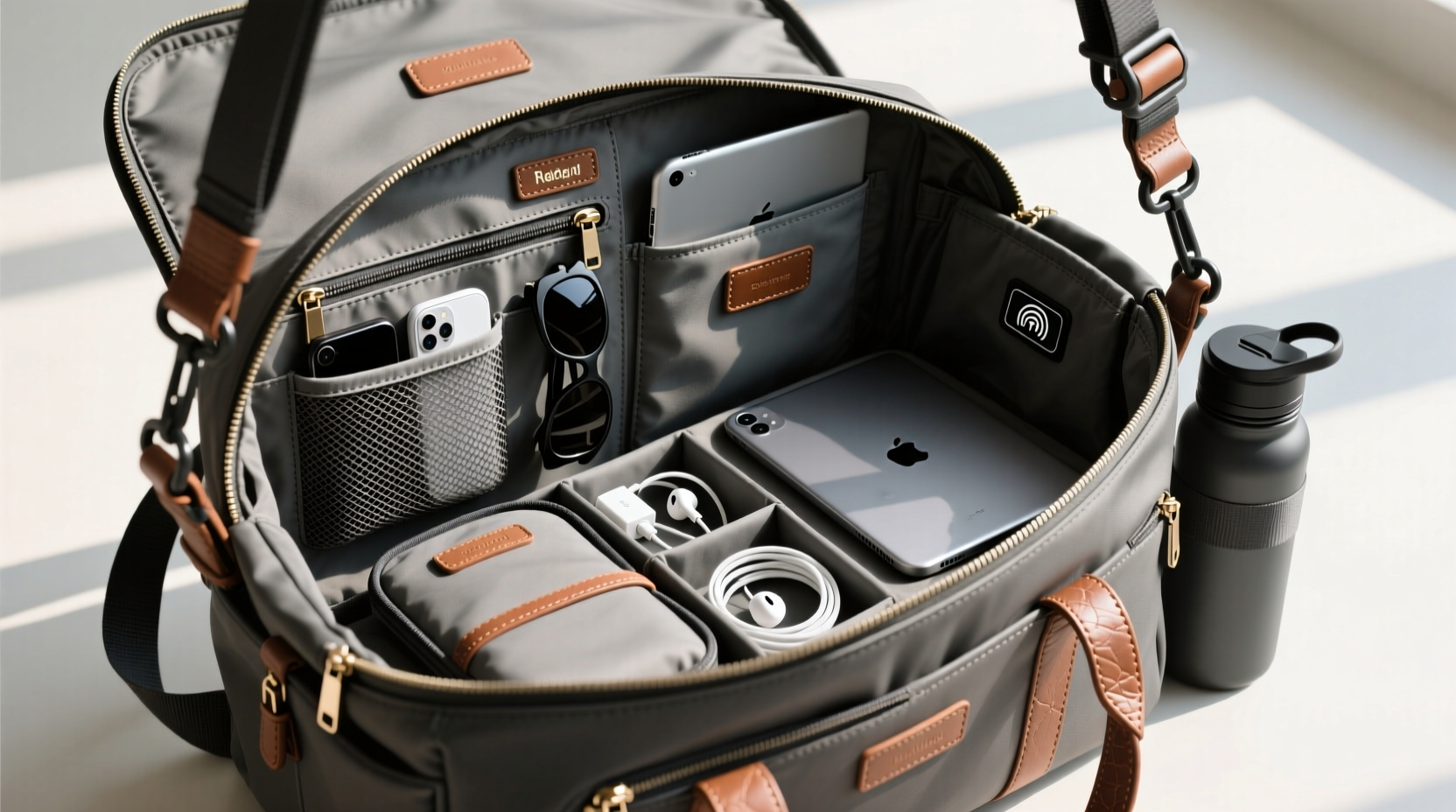
Before organizing, take stock of what you actually use each day. A common mistake is overpacking out of habit or fear of being unprepared. Spend three days tracking every item you place in your bag and note which ones you accessed. After this audit, categorize your essentials:
- Essentials: Phone, wallet, keys, ID, work badge
- Work Tools: Laptop, tablet, notebook, pens, charger
- Personal Care: Hand sanitizer, lip balm, tissues, sunglasses
- Occasional Items: Umbrella, water bottle, gym gear
Once categorized, prioritize frequently used items for easy access. Reserve deeper compartments for situational needs. This clarity prevents clutter and ensures your bag remains functional, not overwhelming.
Use Internal Compartments Strategically
Most large shoulder bags come with multiple pockets: zippered sections, slip pockets, padded laptop sleeves, and open dividers. To maximize their utility, assign specific functions to each zone. Think of your bag as a miniature office with labeled departments.
| Compartment Type | Recommended Use | Why It Works |
|---|---|---|
| Padded Laptop Sleeve | Laptop or tablet only | Prevents scratches and impact damage |
| Front Zip Pocket | Wallet, transit card, keys | Quick access; deters pickpocketing |
| Interior Slip Pockets | Phone, power bank, pens | Keeps small items visible and secure |
| Main Compartment | Notebooks, files, lunch box | Central hub for larger, less-frequently-used items |
| Side Pockets | Water bottle, umbrella | Easy in-and-out; frees up main space |
Consistency matters. Once you designate a spot for an item, return it there after each use. This builds muscle memory and eliminates time wasted searching.
Invest in Organizational Accessories
Even well-designed bags benefit from internal support systems. Consider adding structured organizers to enhance functionality:
- Zippered pouches: Ideal for cosmetics, cables, or receipts. Clear versions allow quick visual identification.
- Pen holders: Prevent ink leaks and lost writing tools.
- Mini file folders: Keep printed documents flat and sorted by category (e.g., bills, meeting notes).
- Modular cubes: Perfect for separating clean vs. used masks, snacks, or tech accessories.
“Organization isn’t about filling every pocket—it’s about creating zones that reflect how you live and work.” — Lena Patel, Productivity Consultant
Choose accessories that match your bag’s dimensions and your lifestyle. A sleek leather clutch may suit a professional, while a rugged nylon cube works better for outdoor enthusiasts.
Follow a Weekly Reset Routine
Like resetting a workspace, your bag needs regular maintenance. Set aside 15 minutes every Sunday evening to perform a full reset. Follow this step-by-step process:
- Empty completely: Remove all contents and place them on a clean surface.
- Inspect and clean: Wipe down interior with a microfiber cloth dampened with mild soap. Let air dry.
- Sort and declutter: Discard expired coupons, old receipts, dried-up pens, and single earbuds.
- Recharge and replenish: Plug in power banks, refill hand sanitizer, pack fresh tissues.
- Repack mindfully: Return only necessary items using your established compartment system.
This routine prevents accumulation of “bag junk” and ensures your carry remains intentional. Over time, it becomes second nature—like brushing your teeth.
Real-Life Example: From Chaos to Clarity
Sarah, a freelance graphic designer, carried a 16-liter canvas shoulder bag packed with her MacBook, sketchbook, chargers, business cards, snacks, and personal items. She often missed deadlines because she couldn’t find client files or forgot meetings. Her bag was so overstuffed she once spilled coffee on her portfolio during a train commute.
After implementing structured zones—dedicating one pouch to digital accessories, another to client materials, and using color-coded folders—her efficiency improved dramatically. She added a slim crossbody wallet for essentials and began her weekly resets. Within a month, she reported spending 20 minutes less per week searching for items and regained confidence during client presentations.
Her transformation wasn’t due to buying new gear, but to rethinking how she used the space she already had.
Do’s and Don’ts of Shoulder Bag Organization
| Do’s | Don’ts |
|---|---|
| Use labeled pouches for similar items (e.g., \"Work Chargers,\" \"Travel Docs\") | Store food without sealing—crumbs attract pests and cause odors |
| Keep heavy items at the bottom for balanced weight distribution | Overstuff to the point where zippers strain or fabric bulges |
| Carry a mini sewing kit or stain wipe for emergencies | Leave wet umbrellas loose—they can mildew and damage electronics |
| Rotate seasonal items monthly | Ignore broken zippers or loose straps—small issues worsen over time |
Frequently Asked Questions
How do I prevent my bag from becoming too heavy?
Limit non-essential items and distribute weight evenly. Avoid carrying duplicate items (e.g., two notebooks for the same project). Use cloud storage to reduce reliance on physical files. If your bag regularly exceeds 10% of your body weight, consider switching to a backpack for better ergonomics.
What’s the best way to organize cords and chargers?
Use a dedicated cable organizer pouch with elastic loops or mesh compartments. Wrap cords with Velcro ties or reusable silicone bands. Label each charger with a small tag indicating device type (e.g., “iPhone,” “Tablet”) to avoid confusion.
Can I use drawer organizers in my shoulder bag?
Yes—small desktop organizers made of lightweight silicone or foldable fabric work well for holding pens, USB drives, or skincare samples. Just ensure they fit snugly and don’t shift during movement.
Final Thoughts: Turn Space Into System
A large capacity shoulder bag should empower, not encumber. When organized with intention, it becomes an extension of your workflow and lifestyle. The strategies outlined here—assessing needs, assigning zones, using accessories, and maintaining consistency—are not one-time fixes but habits that compound over time. The result? Less frustration, more focus, and greater confidence in your daily rhythm.




 浙公网安备
33010002000092号
浙公网安备
33010002000092号 浙B2-20120091-4
Comments
No comments yet. Why don't you start the discussion?