
A well-fitted watch does more than tell time—it feels like an extension of your wrist. Casio watches are known for durability, functionality, and timeless design, but even the most advanced digital timepiece can be uncomfortable if it doesn’t fit properly. Whether you’ve just unboxed a new G-Shock, a sleek Edifice, or a classic F-91W, taking the time to adjust and customize your watch ensures all-day comfort, better readability, and improved longevity. This guide walks you through the entire process—from measuring your wrist to fine-tuning the band—so you can achieve a secure, personalized fit.
Why Proper Fit Matters
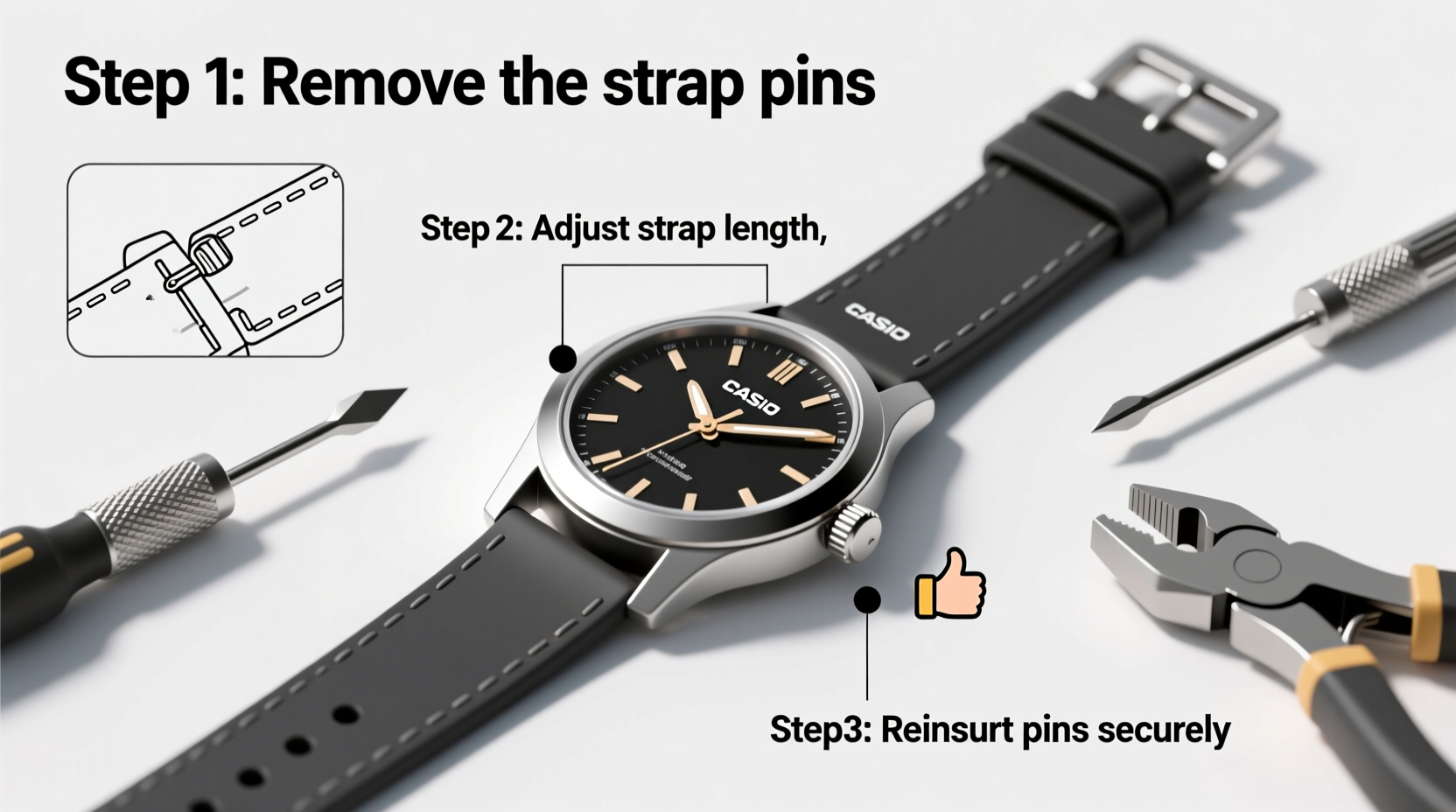
A poorly adjusted watch can lead to discomfort, restricted circulation, or accidental snags during daily activity. On the flip side, a loose watch may slide around, risking damage from impacts or falls. A correctly sized Casio stays in place without pressure, allowing full access to buttons and sensors while maintaining a clean aesthetic.
“An optimally fitted watch enhances both function and comfort. It should move with you, not against you.” — Daniel Reyes, Watch Ergonomics Consultant
Step-by-Step Guide to Adjusting Your Casio Watch Band
Most Casio watches come with either a resin strap (common in G-Shock models), a stainless steel band (in Edifice or analog-digital series), or a nylon/webbing strap (as seen in some vintage or outdoor editions). Each requires slightly different handling.
1. Measure Your Wrist Size Accurately
Before removing any links or cutting straps, measure your wrist circumference using a flexible tape measure. Wrap it snugly around the bone just below the hand. Note the measurement in millimeters or inches.
- Typical adult wrist sizes range from 150mm to 210mm.
- If between sizes, opt for a slightly larger fit—you can always tighten it further.
2. Identify Your Band Type
Different Casio models use different band systems. Knowing yours is essential before making adjustments.
| Band Type | Common Models | Adjustment Method |
|---|---|---|
| Resin Strap (Pin Buckle) | G-Shock DW-5600, F-91W | Punch holes or trim excess length |
| Stainless Steel (Fold-over Clasp) | Edifice EFV-100D, AE1200WH | Remove metal links with pin pusher |
| Nylon/Rubber Strap (Ladder-style) | G-Shock GA-2100, GB-6900 | Re-thread through ladder bar |
3. Adjust Resin or Rubber Straps
For most entry-level and rugged Casio models, the band is made of durable resin. These typically feature multiple holes and a simple pin buckle.
- Lay the watch face-down on a soft cloth to avoid scratches.
- Unbuckle the strap and pull it through the keeper loops.
- Use a small hole punch tool or heated needle to create a new hole just past where your wrist naturally rests.
- Ensure the new hole aligns with the existing ones for symmetry.
- Cut off excess strap material beyond the last hole using sharp scissors or a utility knife.
- Re-thread the strap and test the fit.
4. Resize Metal Bands by Removing Links
Some Casio watches, especially dressier models, feature stainless steel bands secured with screw pins or spring bars.
- Place the watch on a stable surface, crown facing up.
- Locate the arrows on the inside of the links—these indicate which direction the pins should be pushed.
- Use a precision pin removal tool or small nail set and hammer to gently push out the pins.
- Remove the necessary number of links symmetrically from both sides.
- Reassemble the band, ensuring the pins are fully seated.
- Test the clasp mechanism for smooth operation.
Note: If you're unsure, take the watch to a local jeweler. Most charge only a small fee for link removal.
5. Customize Fit with Aftermarket Accessories
Beyond factory adjustments, personalization options enhance both comfort and style.
- Silicone Comfort Pads: Insert under the band to reduce pressure points.
- Third-party Straps: Swap out original bands with NATO, Perlon, or silicone alternatives.
- Extended Keepers: Replace standard keepers with longer versions to accommodate thicker straps post-adjustment.
Real Example: Customizing a G-Shock GA-2100
Mark, a field technician with a 175mm wrist, found his new GA-2100 too loose despite using the smallest factory hole. He purchased a nylon ladder strap designed for slim wrists and rethreaded it so only two rungs extended past the buckle. The result? A snug, bounce-free fit that stayed secure during climbing inspections. By combining minor modification with accessory upgrades, he achieved optimal performance without altering the original hardware.
Checklist: Perfect Casio Fit in 7 Steps
- ✅ Measure your wrist accurately
- ✅ Identify your band type (resin, metal, nylon)
- ✅ Determine how many links or how much length to remove
- ✅ Use proper tools (pin pusher, hole punch, cutter)
- ✅ Make symmetrical adjustments on both sides
- ✅ Test mobility and comfort during movement
- ✅ Consider aftermarket straps for enhanced wearability
Common Mistakes to Avoid
Even experienced users make errors when adjusting their watches. Steer clear of these pitfalls:
- Over-tightening: Can restrict blood flow and cause skin irritation.
- Uneven link removal: Leads to misaligned clasps and awkward appearance.
- Cutting too much: Especially risky with resin straps—always leave room for error.
- Ignoring seasonal changes: Wrists shrink in cold weather and expand in heat; consider adjustable solutions.
Frequently Asked Questions
Can I resize my Casio watch without tools?
Yes, for resin and ladder-style straps. You can punch new holes with a heated needle or rethread nylon bands manually. However, metal bands require a pin pusher or professional help to avoid damage.
How tight should my Casio watch be?
It should stay in place without sliding freely. You should be able to fit one finger comfortably between the band and your wrist. If it leaves marks or causes numbness, it’s too tight.
Are replacement bands available for older Casio models?
Yes. Many third-party manufacturers produce compatible straps for popular models like the F-91W, DW-5600, and G-Shock series. Look for exact model compatibility when purchasing online.
Expert Insight: Long-Term Wearability
“The best watch adjustment isn’t just about size—it’s about lifestyle integration. A construction worker needs a different fit than an office professional. Always tailor the watch to its environment.” — Lena Torres, Industrial Design Specialist
Final Thoughts and Action Steps
Adjusting your Casio watch isn’t just a one-time setup task—it’s part of owning and enjoying your device to its fullest potential. From precise measurements to thoughtful customization, each step contributes to a seamless wearing experience. Whether you’re modifying a daily driver or preparing a tough G-Shock for outdoor adventures, attention to fit translates into confidence on your wrist.
Now that you know how to adjust and personalize your Casio, take action today. Revisit your current setup, assess comfort levels, and make small improvements where needed. Your ideal fit is only a few careful steps away.




 浙公网安备
33010002000092号
浙公网安备
33010002000092号 浙B2-20120091-4
Comments
No comments yet. Why don't you start the discussion?