
Navigating the college application process can feel overwhelming, especially with competing deadlines, required documents, and personal statements. But with a structured approach, what seems complex becomes manageable. This guide breaks down each phase into actionable steps, helping students and families move forward with confidence. The goal isn’t just to complete applications—it’s to submit strong, thoughtful ones that reflect who you are and what you’re capable of achieving.
1. Understand Your Timeline and Deadlines
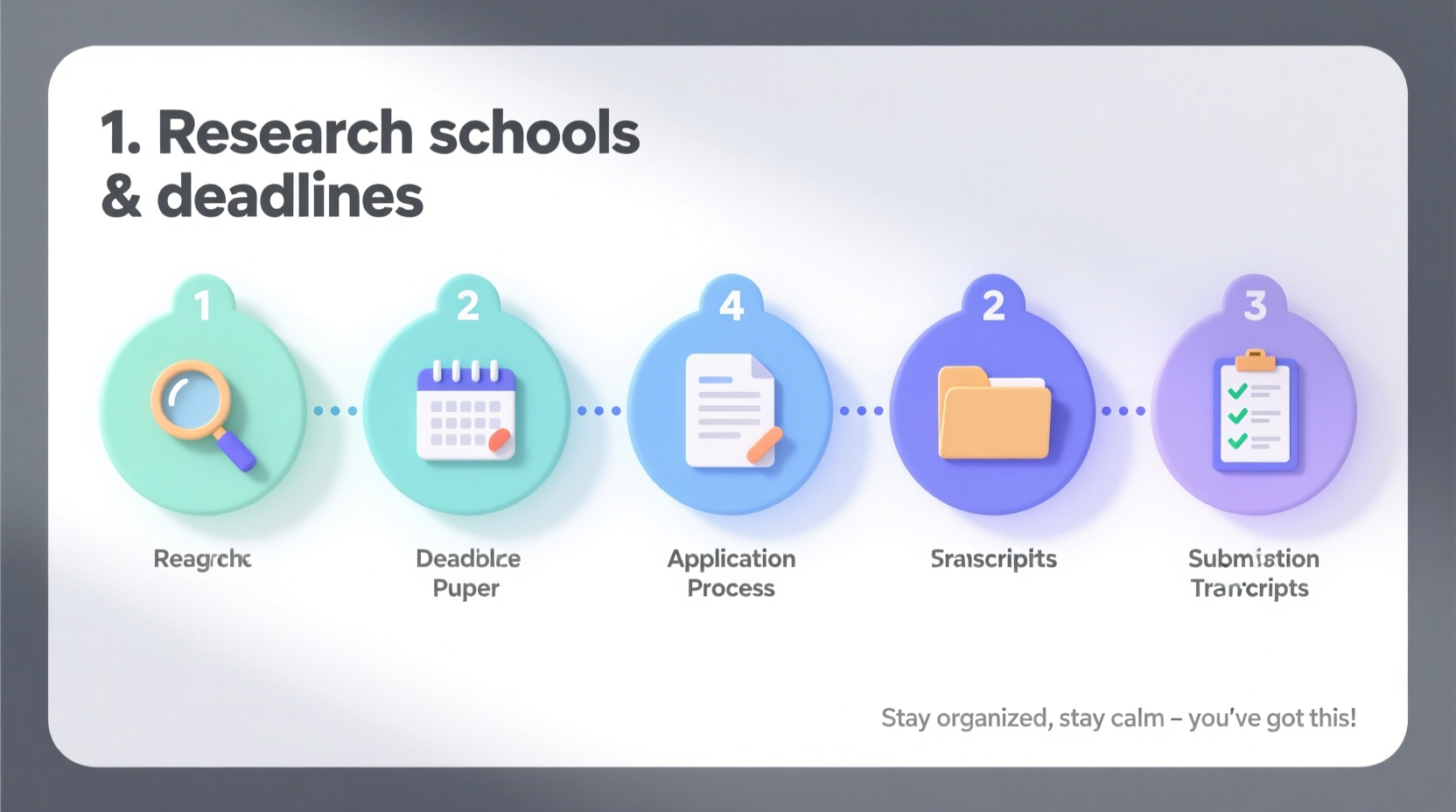
One of the most common pitfalls in college admissions is missing key dates. Applications operate on strict timelines, and falling behind can reduce your options or eliminate them entirely. Start planning at least 12–15 months before your intended enrollment date.
Here’s a general timeline for high school seniors applying for fall admission:
- Junior Year (April–June): Begin researching colleges, take standardized tests (SAT/ACT), and build a preliminary list of schools.
- Summer Before Senior Year: Draft your personal statement, request letters of recommendation, and finalize your college list.
- August–October (Senior Year): Complete the Common App or school-specific forms, upload essays, and submit early action or early decision applications.
- November–January: Submit regular decision applications and financial aid forms (FAFSA, CSS Profile).
- February–April: Monitor portals for updates, prepare for interviews, and compare acceptance offers.
- May 1: Commit to your chosen college by submitting your enrollment deposit.
2. Build a Strategic College List
Not all colleges are the right fit. A smart application strategy includes a balanced mix of reach, match, and safety schools. Applying broadly increases your odds without compromising quality.
Consider these factors when selecting schools:
- Academic programs aligned with your interests
- Location, campus culture, and size
- Graduation rates and career placement support
- Cost and financial aid availability
- Admission selectivity and average GPA/test scores
“Students who apply to 6–8 well-researched schools have the highest success rate of gaining admission to a college they love.” — Dr. Lisa Tran, Director of College Counseling at Summit Prep Academy
Do’s and Don’ts When Choosing Colleges
| Do’s | Don’ts |
|---|---|
| Visit campuses (in person or virtually) | Rely solely on rankings |
| Check graduation and job placement rates | Apply to schools out of prestige alone |
| Assess financial fit using net price calculators | Ignore application requirements like portfolios or auditions |
| Include at least two safety schools | Overload on reach schools without backups |
3. Complete Core Application Components
Most college applications share common elements. Tackling them systematically ensures nothing gets overlooked.
Personal Information & Academic History
Fill in basic details accurately: full legal name, contact information, address, citizenship status, and demographic data. Then report your academic record—courses taken, GPA, class rank (if available), and standardized test scores. Some schools are test-optional, but submitting strong SAT/ACT results can strengthen your profile.
Letters of Recommendation
Choose teachers or mentors who know you well and can speak to your character, work ethic, and intellectual curiosity. Request letters at least six weeks in advance and provide recommenders with a resume or brag sheet summarizing your achievements and goals.
The Personal Essay
This is your chance to go beyond grades and scores. The Common App prompts encourage reflection on identity, challenges, or meaningful experiences. Write authentically. Avoid clichés, exaggeration, or trying to guess what admissions officers want to hear.
Supplemental Materials
Some schools require additional short answers or essays. These often ask why you’re interested in their institution. Generic responses hurt your chances. Tailor each answer to reflect specific programs, professors, clubs, or values that align with your goals.
4. Financial Aid and Scholarships
Submitting your application is only half the battle. To make college affordable, file the Free Application for Federal Student Aid (FAFSA) as soon as it opens (October 1). Many states and colleges also require the CSS Profile for non-federal aid.
Apply for scholarships early and often. Look beyond national contests—local organizations, employers, and community groups offer lesser-known awards with less competition.
Financial Aid Checklist
- Complete the FAFSA (fafsa.gov)
- Submit the CSS Profile if required
- Gather tax returns and W-2s for parent and student income
- Research and apply for external scholarships monthly
- Review your Student Aid Report (SAR) for accuracy
“Many families miss out on thousands in aid simply because they don’t file the FAFSA. It’s free, and eligibility isn’t just for low-income students.” — National College Attainment Network
5. Real Example: How Maya Navigated the Process
Maya, a high school senior from Chicago, felt paralyzed by the thought of applying to college. She wasn’t a straight-A student, and her family had no prior experience with higher education. With guidance from her school counselor, she created a plan.
In June of her junior year, she visited three local campuses and attended virtual info sessions at five others. She identified majors in environmental science and urban planning, then narrowed her list to eight schools—three reaches, four matches, and one safety.
Over the summer, she drafted her Common App essay about leading a recycling initiative at school. Her biology teacher and club advisor wrote glowing recommendations. By November, she’d submitted early action applications to two universities and completed her FAFSA by mid-October.
In March, she received acceptances from four schools, including a full-tuition scholarship from her top choice. “I didn’t need perfect grades,” she said. “I just needed to show up, be organized, and tell my story honestly.”
Frequently Asked Questions
Can I apply to college without taking the SAT or ACT?
Yes. Hundreds of colleges are test-optional, meaning they evaluate applicants without standardized test scores. Check each school’s policy directly on their admissions website. If your scores aren’t strong, omitting them may benefit your application.
What happens if I miss a college deadline?
It depends on the type. Early decision and early action deadlines are usually firm. Regular decision and rolling admission schools may still accept late applications, but your chances decrease. Always contact the admissions office to explain delays—some exceptions are granted for documented hardships.
How many colleges should I apply to?
Most students apply to 5–8 schools. Include 2–3 reach schools (admission less than 50% likely), 3–4 match schools (your stats align with averages), and 1–2 safeties (high likelihood of acceptance). More than 10 applications can become unmanageable and costly.
Final Steps and Moving Forward
Once applications are submitted, stay proactive. Check your email and application portals regularly for updates, interview invitations, or requests for additional materials. After decisions arrive, carefully compare financial aid packages, academic offerings, and campus culture before making your final choice.
Remember, applying to college isn’t about perfection—it’s about preparation, authenticity, and persistence. Every student’s path is different, but a clear roadmap makes all the difference.




 浙公网安备
33010002000092号
浙公网安备
33010002000092号 浙B2-20120091-4
Comments
No comments yet. Why don't you start the discussion?