
DNA testing has transformed how people explore their heritage, uncover health insights, and connect with distant relatives. Ancestry DNA kits offer a simple way to trace lineage and discover ethnic origins—but accuracy depends heavily on correct usage. From sample collection to data interpretation, every step matters. A flawed process can lead to incomplete or misleading results. This guide walks you through the entire journey of using an ancestry DNA kit with precision, ensuring you get the most reliable and meaningful information possible.
Understanding How Ancestry DNA Kits Work
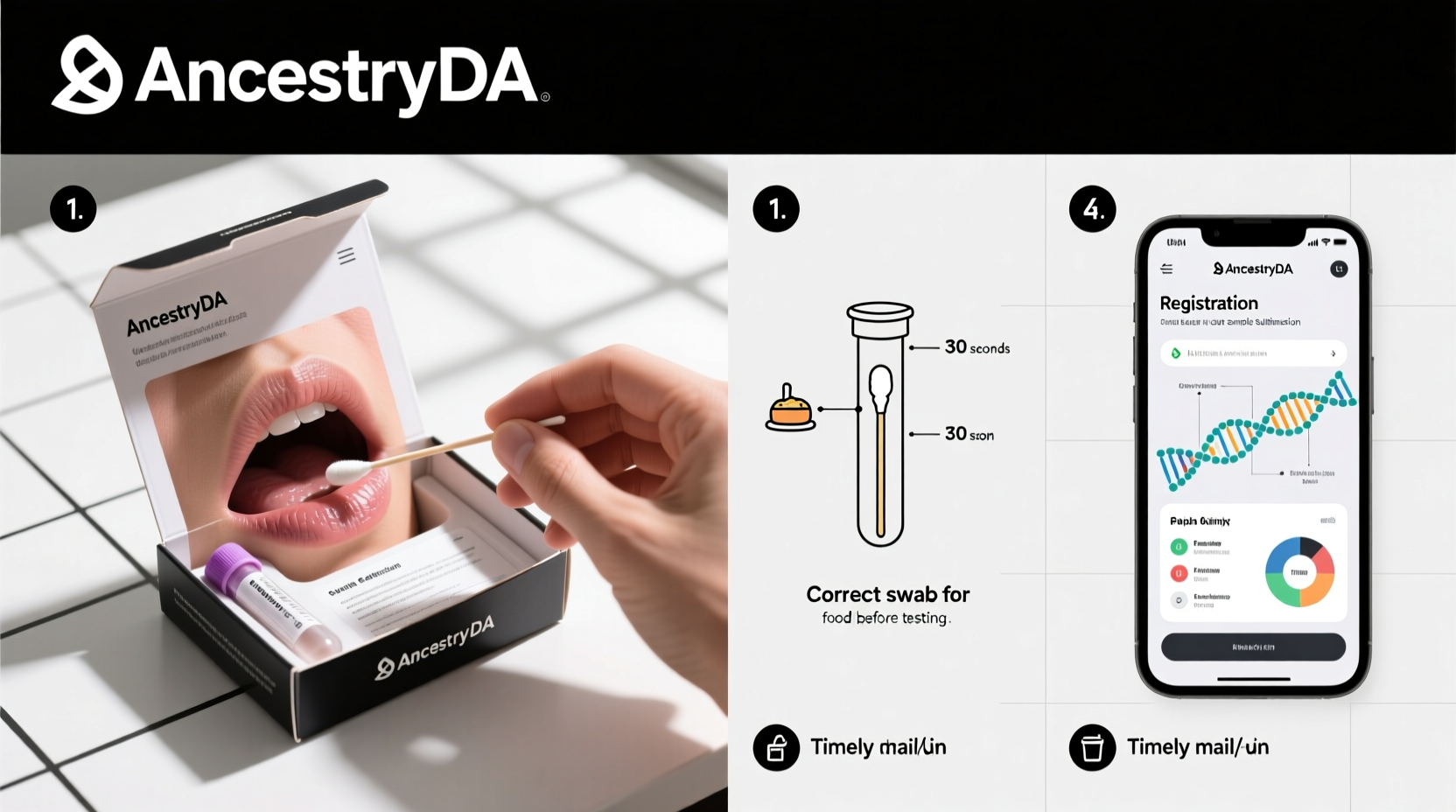
Ancestry DNA tests analyze your genetic material to estimate your ethnic background and identify potential relatives in the company’s database. Most consumer kits use autosomal DNA, which is inherited from both parents and reflects your recent ancestry (typically within 5–6 generations). The test compares your DNA markers to reference populations around the world, assigning percentages based on genetic similarity.
While these kits are user-friendly, they’re not foolproof. Environmental factors, contamination, and improper handling can degrade samples or skew results. To ensure reliability, follow best practices from the moment you open the kit to when you interpret your report.
Step-by-Step Guide to Using Your Ancestry DNA Kit
- Unbox and Inspect the Kit
Check that all components are present: a saliva collection tube, funnel, sealable bag, barcoded label, and instructions. Do not use the kit if the tube seal is broken or damaged. - Register the Kit Online
Visit the provider’s website and enter the unique barcode found on the tube. This links your biological sample to your digital profile, maintaining privacy and ensuring results are correctly assigned. - Avoid Eating, Drinking, or Smoking for 30 Minutes
To prevent contamination, refrain from consuming food, beverages (including water), gum, or tobacco products at least 30 minutes before providing your sample. - Collect Saliva Sample Properly
Spit into the funnel until the saliva reaches the fill line (usually 2 mL). Avoid introducing bubbles or foam. If necessary, gently tap the tube to settle the liquid. Remove the funnel and screw the cap on tightly. - Seal and Store Temporarily
Place the sealed tube in the provided biohazard bag. Keep it upright at room temperature until mailing. Do not refrigerate or freeze unless instructed. - Mail the Sample Promptly
Use the prepaid return envelope or shipping label. Deliver it to a mailbox or carrier drop-off point within 24 hours of collection to maintain sample integrity. - Wait for Processing
Laboratory analysis typically takes 6–8 weeks. You’ll receive email updates as your sample moves from receipt to processing to result availability.
Best Practices for Accurate Results
The quality of your DNA sample directly affects the accuracy of your ancestry report. Follow these guidelines to minimize errors:
- Follow timing rules strictly—do not collect saliva immediately after brushing teeth or eating.
- Ensure the sample fills the tube to the marked line; insufficient volume may require retesting.
- Keep the tube upright during storage and transit to prevent leakage.
- Avoid extreme temperatures—don’t leave the kit in a hot car or direct sunlight.
- Never touch the inside of the cap or funnel with fingers or other surfaces.
“Even small contaminants like toothpaste residue can interfere with DNA extraction and reduce genotyping success.” — Dr. Linda Chen, Molecular Geneticist at Genovate Labs
Do’s and Don’ts When Using an Ancestry DNA Kit
| Do’s | Don’ts |
|---|---|
| Register your kit before collection | Forget to register the barcode |
| Wait 30+ minutes after eating/drinking | Collect sample right after breakfast or coffee |
| Fill saliva to the designated line | Submit underfilled or overly foamy samples |
| Ship within 24 hours of collection | Store unmailed kits for days at home |
| Track shipment via provided ID | Assume the lab received your sample without confirmation |
Real Example: Why Proper Handling Matters
Sarah from Oregon ordered her ancestry kit but collected the sample after drinking orange juice and forgot to register the barcode. Two weeks later, she received an email stating her sample failed quality control due to low DNA yield. She had to request a replacement kit and repeat the process—this time waiting 45 minutes after breakfast, registering the tube first, and carefully filling it to the line. Her second sample was processed successfully, revealing a surprising 14% Scandinavian ancestry she hadn’t expected. The delay cost her three extra weeks, but the accurate results made the correction worthwhile.
Interpreting Your Results with Realistic Expectations
Once your results are available, view them as estimates—not definitive historical records. Ancestry companies compare your DNA to modern reference populations, which may not fully represent ancient migration patterns. Regions with limited genetic data (e.g., parts of Africa or Indigenous Americas) might be underrepresented.
Breakdowns are often given in percentages, such as “42% Western European” or “8% Nigerian.” These reflect genetic similarities, not citizenship or cultural identity. Relatives matched in the database are ranked by closeness—possible grandparents, cousins, or distant connections. Reach out respectfully, especially if exploring unknown family history.
Frequently Asked Questions
Can I use someone else’s DNA for the test?
No. Each kit is designed for one individual. Using another person’s sample violates terms of service and produces incorrect genealogical data. For children or incapacitated individuals, parental consent and careful collection are required.
Why did my ethnicity percentages change after an update?
Companies periodically refine their reference databases and algorithms. As more people test and science improves, your results may shift slightly. These updates usually enhance accuracy rather than invalidate prior findings.
How long do labs keep my DNA sample?
Policies vary. Some companies store samples for years to support future research (with opt-in consent), while others destroy them after analysis. Review your provider’s privacy policy to understand storage duration and data usage.
Final Checklist Before Sending Your Sample
- ✅ Kit registered online with valid barcode
- ✅ No food, drink, or oral hygiene for 30+ minutes
- ✅ Saliva filled to the marked line, minimal bubbles
- ✅ Tube tightly sealed and placed in biohazard bag
- ✅ Stored upright at room temperature
- ✅ Mailed promptly using prepaid shipping
- ✅ Tracking number recorded for reference
Conclusion: Unlock Your Heritage with Confidence
Using an ancestry DNA kit correctly transforms curiosity into clarity. By following precise collection steps, avoiding common pitfalls, and understanding the limitations of genetic estimates, you gain access to a powerful personal history tool. Whether you're reconnecting with roots, confirming family stories, or discovering unexpected connections, accuracy starts with care. Take your time, follow the science, and trust the process. Your DNA holds stories worth telling—make sure they’re told right.




 浙公网安备
33010002000092号
浙公网安备
33010002000092号 浙B2-20120091-4
Comments
No comments yet. Why don't you start the discussion?