
In compact homes, apartments, or shared living environments, carving out a personal retreat can feel like a luxury. Yet the need for quiet reflection, immersive reading, and mental escape is more essential than ever. A well-designed reading nook offers a sanctuary without requiring square footage. With thoughtful planning and clever use of space, even the tiniest corner can transform into a snug, inviting haven for book lovers. This guide walks through practical strategies to create a functional and aesthetically pleasing reading space in limited areas—without sacrificing comfort or style.
Assess Your Space and Identify Potential Zones
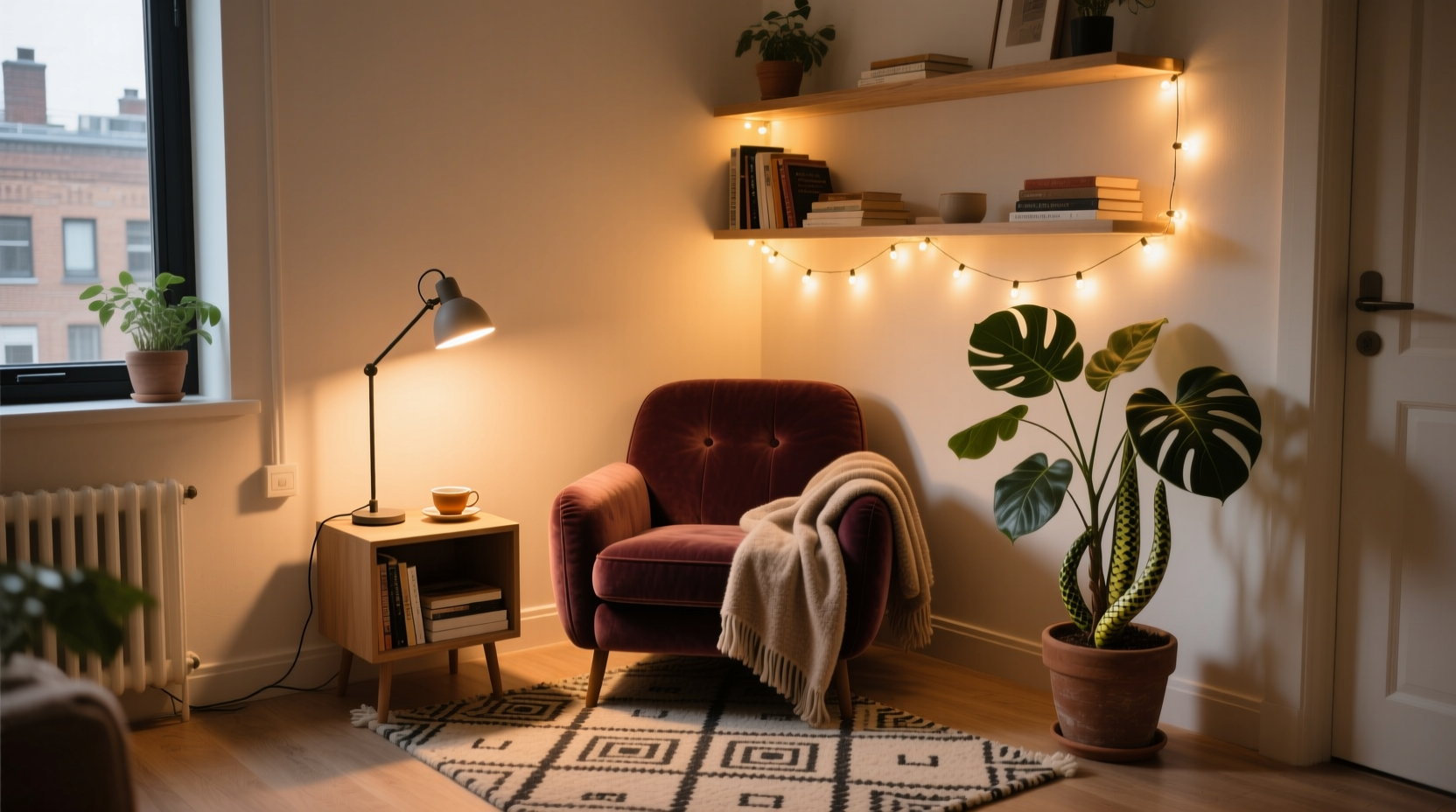
The first step in creating a reading nook is identifying underused areas in your home. Look beyond traditional room layouts. Common overlooked spots include:
- Empty corners near windows
- Unused alcoves or recessed walls
- Space beneath staircases
- Unused closets (potential for conversion)
- Behind or beside large furniture pieces
Measure the area carefully. Even a 3x3-foot footprint can accommodate a compact chair and side table. Natural light is a major asset—prioritize locations near windows when possible. If natural light is limited, plan for layered artificial lighting later in the process.
Select Compact, Multi-Functional Furniture
Furniture choices make or break a small-space reading nook. Prioritize scale, comfort, and dual functionality. Avoid oversized armchairs or deep sofas that dominate the area. Instead, opt for pieces designed for efficiency.
Consider these options:
- Nesting chairs: Lightweight, foldable, or stackable chairs that can be moved or stored easily.
- Window seats: Custom-built or pre-fabricated benches along window sills maximize seating and storage if designed with lift-up lids.
- Fold-down wall desks: Can double as a side table when not in use, minimizing clutter.
- Poufs or floor cushions: Ideal for flexible, low-profile seating that doesn’t obstruct sightlines.
A small accent table or wall-mounted shelf serves as a book rest and drink holder. Magnetic or swing-arm lamps save surface space while providing focused illumination.
“Small spaces demand intentionality. Every piece should earn its place by serving at least two purposes.” — Lena Torres, Interior Designer & Small-Space Specialist
Optimize Lighting for Comfort and Function
Reading requires consistent, glare-free light. In small nooks, layering lighting types ensures both ambiance and usability.
Start with ambient lighting—overhead fixtures or nearby ceiling lights set the base level. Then add task lighting: a directional floor lamp, adjustable wall sconce, or clip-on reading light. Warm-toned bulbs (2700K–3000K) reduce eye strain and enhance coziness.
If electrical outlets are distant, battery-powered LED strip lights or rechargeable lamps offer flexibility. Position lights behind or beside the reader to avoid casting shadows on the page.
| Lighting Type | Best For | Avoid If |
|---|---|---|
| Swing-arm wall lamp | Tight corners, wall-mounted solutions | Shared walls where drilling isn’t allowed |
| Narrow floor lamp | Next to compact chairs | Floor space is extremely limited |
| Clip-on LED light | Rental-friendly, portable setups | Using thick books or tablets frequently |
| String lights (soft glow) | Ambiance and mood enhancement | Primary reading light needed |
Create Atmosphere with Texture and Acoustics
A cozy atmosphere relies on sensory cues. Soft textures invite relaxation, while sound control enhances focus. Even in small areas, subtle upgrades make a significant difference.
Layer materials thoughtfully:
- Add a small wool or faux-fur throw blanket over the chair.
- Use a compact area rug (2x3 feet or smaller) to define the zone and absorb echo.
- Incorporate textured pillows in complementary fabrics—velvet, knits, or corduroy.
Sound matters. Hard surfaces reflect noise, making quiet reading difficult. Introduce soft elements like curtains, fabric wall hangings, or acoustic panels disguised as art. A small indoor plant adds visual calm and slightly improves air quality and sound diffusion.
Maximize Storage Without Clutter
Books, glasses, tea mugs, and blankets all need a home. In tight quarters, disorganization quickly undermines comfort. Smart storage keeps essentials within reach but out of the way.
Explore vertical and hidden solutions:
- Wall-mounted floating shelves above or beside the seat.
- Magnetic strips for holding bookmarks or reading glasses.
- Side pockets on chair backs or ottomans for small items.
- Built-in bench seating with under-seat storage for larger collections.
Limits prevent accumulation. Designate space for only 5–10 current reads. Rotate books from a main collection elsewhere in the home to keep the nook fresh and uncluttered.
Storage Do’s and Don’ts
| Do | Don’t |
|---|---|
| Use labeled bins for seasonal accessories | Stack books haphazardly on the floor |
| Install narrow shelving units (under 8” deep) | Block pathways with bulky bookcases |
| Choose furniture with hidden compartments | Let cords dangle loosely from lamps |
Real Example: Transforming a Closet into a Reading Retreat
When Sarah, a freelance editor in Brooklyn, moved into her 450-square-foot studio, she struggled to find quiet space. Her solution? Convert a shallow coat closet into a minimalist reading nook.
She removed the rod and installed a cushioned bench at 18 inches high—ideal for seated comfort. A fold-down tray attached to the inside of the door served as a temporary table. She added a warm LED strip along the top edge and draped a woven curtain for privacy.
With a small pillow, a string light, and a curated stack of books on a magnetic rack, the space became her daily retreat. Though only 2.5 feet wide, it offered psychological separation from the rest of the apartment. “It feels like stepping into another world,” she said. “Even five minutes there resets my focus.”
Step-by-Step Implementation Timeline
Building a reading nook doesn’t require weeks of renovation. Follow this realistic timeline to complete the project efficiently:
- Day 1: Survey available spaces and take measurements. Note light sources and outlet locations.
- Day 2–3: Choose furniture and lighting. Shop secondhand or repurpose existing items to save cost and space.
- Day 4: Arrange layout using tape or cardboard mockups. Test seating height and reach zones.
- Day 5: Install permanent fixtures—shelves, wall lights, or built-ins. Use rental-friendly anchors if needed.
- Day 6: Add textiles—rug, throw, pillows. Introduce one plant for freshness.
- Day 7: Organize books and accessories. Fine-tune lighting angles and declutter excess.
By the end of the week, you’ll have a fully functional reading space tailored to your habits and environment.
Essential Checklist for Your Cozy Nook
Before finalizing your setup, run through this checklist to ensure comfort, functionality, and longevity:
- ✅ Seating fits the space and supports good posture
- ✅ Task lighting is positioned to avoid glare
- ✅ At least one surface for holding a book or drink
- ✅ Storage accommodates current reading materials
- ✅ Textiles add warmth and reduce noise
- ✅ The area feels visually distinct from surrounding space
- ✅ All cords are secured and out of walkways
- ✅ Personal touches (art, color, scent) reflect your taste
Frequently Asked Questions
Can I build a reading nook without drilling into walls?
Absolutely. Use freestanding furniture, adhesive hooks, tension rods for curtains, and plug-in or battery-powered lights. Over-the-door organizers and rolling carts offer storage without permanent modifications—ideal for renters.
What if my space has no natural light?
Artificial lighting becomes the centerpiece. Combine ambient ceiling light with a warm-toned, adjustable task lamp. Use mirrors strategically to bounce light around the room. Choose lighter paint colors or reflective surfaces to enhance brightness perception.
How do I keep the nook from feeling cramped?
Maintain visual flow. Use transparent or low-profile furniture like acrylic chairs or slim metal frames. Keep the floor partially visible—avoid covering every inch with rugs or furniture. Limit decor to three key elements: lighting, seating, and one personal accent.
Conclusion: Start Small, Dream Big
A reading nook in a small space isn’t about size—it’s about intention. By focusing on comfort, clarity, and personal resonance, even a sliver of unused area can become a cherished retreat. You don’t need a dedicated room or major renovations. What matters is consistency in design choices and attention to detail. Whether tucked beside a window, carved out of a hallway, or reimagined from a forgotten corner, your nook can become the most-used—and most-loved—spot in your home.




 浙公网安备
33010002000092号
浙公网安备
33010002000092号 浙B2-20120091-4
Comments
No comments yet. Why don't you start the discussion?