
Crafting a personalized dog keychain with your pet’s name is more than a fun DIY project—it’s a heartfelt way to carry a piece of your furry companion with you every day. Whether you're making it for yourself or as a thoughtful gift, a handmade keychain adds charm and emotional value that store-bought items rarely match. With basic supplies and a little creativity, you can create a durable, stylish accessory that reflects your dog’s personality. This guide walks you through the entire process, from choosing materials to adding finishing touches.
Selecting the Right Materials
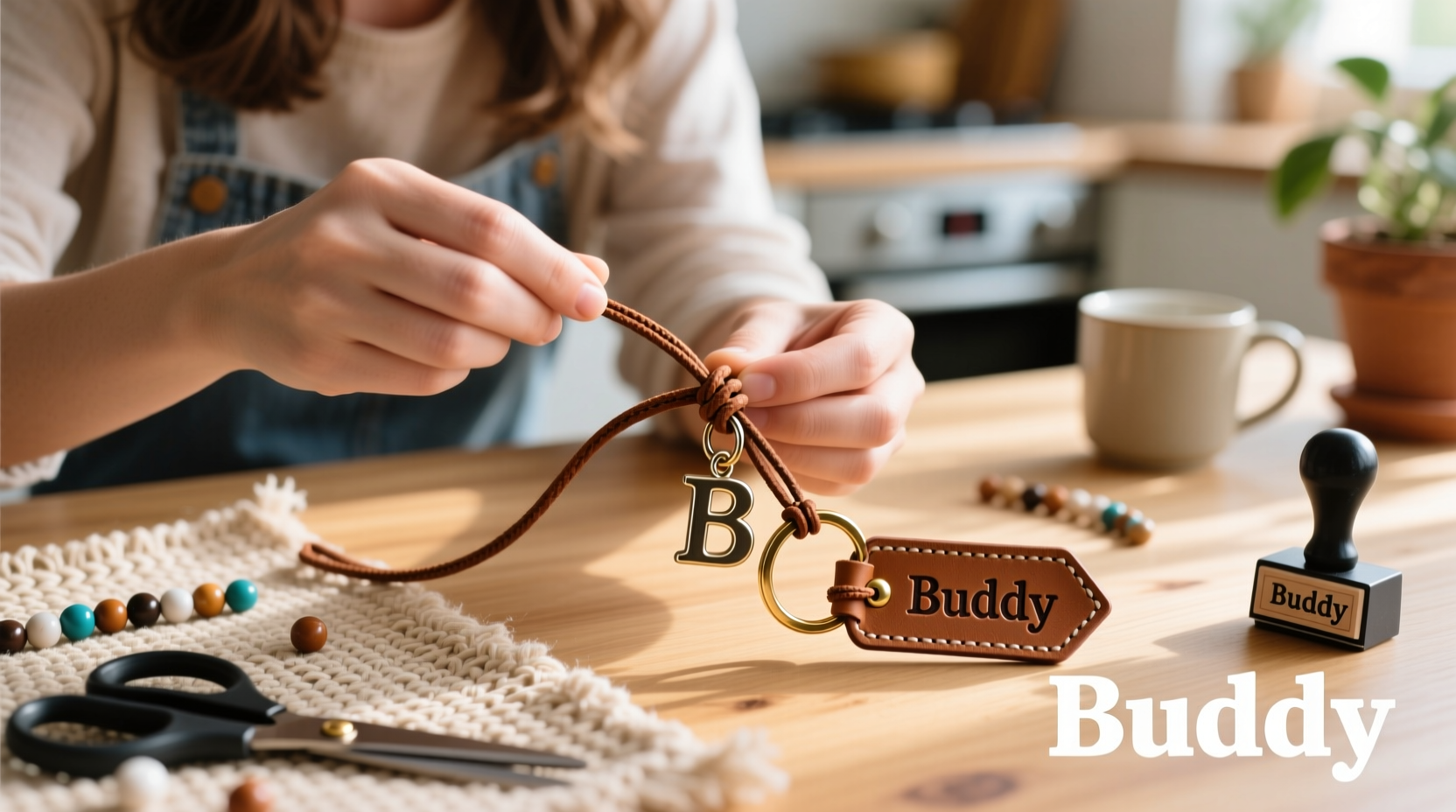
The foundation of a high-quality custom keychain lies in the materials you choose. Opting for durable, non-toxic, and weather-resistant components ensures your creation lasts through daily use.
- Base Material: Wood slices, acrylic sheets, leather, or polymer clay are popular choices. Wood offers a rustic look; acrylic allows for vibrant colors; leather ages beautifully; and polymer clay is highly customizable.
- Engraving Tools: For wood or acrylic, a handheld rotary tool (like a Dremel) or laser engraver works best. For polymer clay, sculpting tools suffice.
- Paint & Sealant: Use acrylic paint for color and a clear sealant (matte or glossy) to protect against moisture and wear.
- Hardware: A stainless steel or zinc alloy keyring and jump ring ensure longevity and prevent rust.
Design Planning: Sketch Your Vision
Before cutting or carving, plan your design on paper or digitally. Consider these elements:
- Name Placement: Centered, curved along the edge, or stacked vertically—choose a layout that fits the shape.
- Font Style: Script fonts add elegance; block letters offer clarity. Match the font to your dog’s personality—playful, bold, or refined.
- Extras: Add paw prints, bones, hearts, or breed-specific silhouettes for a unique touch.
“Good design balances legibility and aesthetics. A name should be instantly readable, even at a glance.” — Jordan Lee, Product Designer & Pet Accessory Creator
Step-by-Step Crafting Process
- Prepare the Base: Cut your chosen material into a disc, bone shape, or rectangle (typically 1.5 to 2 inches wide). Sand all edges until smooth.
- Transfer the Design: Print your name in the desired font, cut it out, and tape it to the surface. Use transfer paper or trace by hand if printing isn’t possible.
- Engrave or Paint the Name:
- For engraving: Use a rotary tool with a fine bit to follow the traced lines. Work slowly to maintain consistency.
- For painting: Apply acrylic paint with a small brush. Use painter’s tape to keep edges clean if doing block letters.
- Add Decorative Elements: Paint paw prints, use stamps on leather, or press shapes into polymer clay before baking.
- Seal the Surface: Once fully dry, apply 2–3 thin layers of clear sealant, allowing each layer to dry completely. This protects against scratches and fading.
- Attach Hardware: Drill a small hole at the top (if needed), insert a jump ring, and connect the keyring. Ensure the hole is slightly smaller than the jump ring to keep it secure.
Material Comparison: Pros and Cons
| Material | Pros | Cons | Best For |
|---|---|---|---|
| Wood | Natural look, easy to engrave, eco-friendly | Can warp with moisture, requires sealing | Rustic, minimalist designs |
| Acrylic | Bright colors, lightweight, scratch-resistant | Can shatter if drilled improperly | Vibrant, modern styles |
| Leather | Durable, ages well, luxurious feel | Expensive, needs conditioning | Elegant, timeless gifts |
| Polymer Clay | Fully customizable, oven-bake hardening | Fragile if too thin, requires baking | Artistic, colorful creations |
Real Example: Mia’s Keychain for Her Rescue Dog
Mia wanted a meaningful token to carry after adopting her terrier mix, Scout. She chose a walnut wood slice for its warmth and durability. Using a printed stencil of “Scout” in a playful script, she carefully engraved the name with a Dremel tool. After staining the wood with walnut dye and sealing it with matte varnish, she attached a brushed nickel keyring. The finished keychain became her everyday companion—resilient enough for keys, delicate enough to cherish. Friends began requesting similar pieces, and Mia eventually started a small side business selling personalized pet keychains at local markets.
Essential Checklist Before You Begin
- ☐ Choose your base material (wood, acrylic, leather, or clay)
- ☐ Gather tools: sandpaper, engraver or paintbrush, sealant, drill (if needed)
- ☐ Finalize the name spelling and font style
- ☐ Prepare a clean, well-lit workspace
- ☐ Test engraving or painting on a scrap piece
- ☐ Allow 2–4 hours total time (including drying)
Common Mistakes to Avoid
Even simple projects can go awry without attention to detail. Steer clear of these pitfalls:
- Rushing the drying process: Skipping full drying time between sealant layers leads to cloudiness or peeling.
- Using water-based glue on porous materials: It can cause warping. Opt for PVA or epoxy for better adhesion.
- Overloading with design: Too many elements make the name hard to read. Keep it balanced.
- Skipping sanding: Rough edges not only look unprofessional but can snag fabric or skin.
Frequently Asked Questions
How long does a homemade keychain last?
With proper sealing and care, a well-made keychain can last 2–5 years or longer. Wooden and leather versions benefit from occasional reapplication of protective oil or wax.
Can I make a keychain without power tools?
Absolutely. Hand-carving tools work for soft wood or clay, and stencils with paint eliminate the need for engraving. Polymer clay requires no tools beyond shaping by hand and baking.
Is this safe for children to do with supervision?
Yes, especially when using polymer clay or painting pre-cut blanks. Avoid sharp tools and chemical sealants for younger crafters; opt for child-safe Mod Podge instead.
Final Touches and Gift Presentation
Once your keychain is complete, consider how you’ll present it. A small cotton pouch or kraft gift box with a handwritten note elevates it from craft to keepsake. If gifting, include a short story about why the design was chosen—perhaps referencing your friend’s dog’s favorite toy or quirky habit. These personal details transform the item into more than an accessory; they become a memory carrier.
Conclusion: Create, Carry, Cherish
Crafting a custom name dog keychain is a rewarding blend of creativity and connection. It doesn’t require advanced skills, just patience and affection for the four-legged friend who inspires it. Each stroke of the engraver, each brush of paint, becomes a tribute to the joy pets bring into our lives. Whether you’re commemorating a beloved companion, celebrating a new adoption, or surprising a fellow dog lover, this handmade token carries meaning far beyond its size.




 浙公网安备
33010002000092号
浙公网安备
33010002000092号 浙B2-20120091-4
Comments
No comments yet. Why don't you start the discussion?