
Woven milk cap keychains are more than just accessories—they’re handcrafted expressions of creativity, sustainability, and personal style. Made from flattened and interlaced plastic bottle caps, often sourced from dairy or beverage brands, these colorful keychains are durable but still require thoughtful care. Over time, exposure to dirt, oils, sunlight, and moisture can dull their vibrancy and weaken their structure. With the right cleaning and maintenance routine, however, you can preserve both their appearance and integrity for years. This guide provides a comprehensive approach to keeping your woven milk cap keychain looking fresh, safe, and functional.
Understanding Your Keychain’s Materials
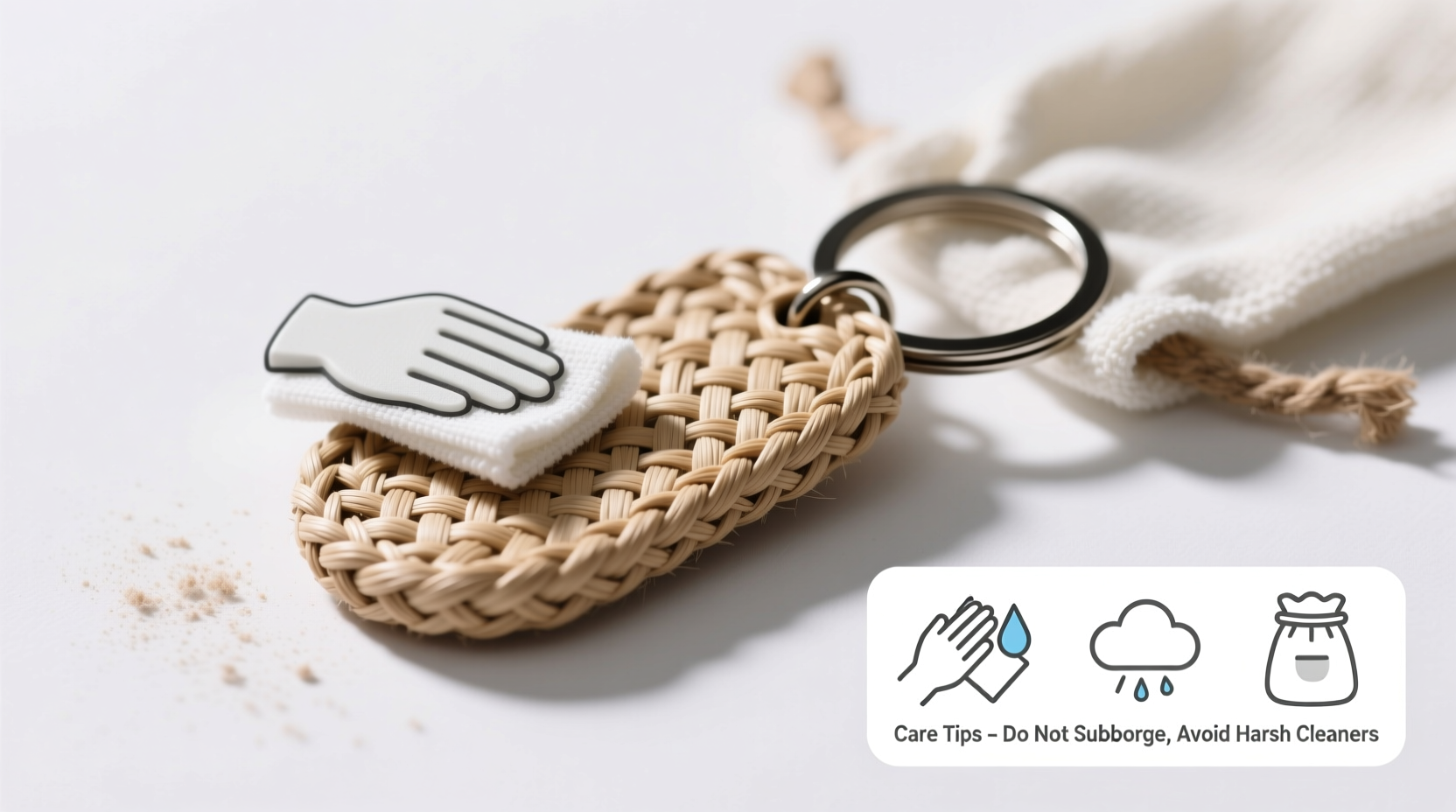
The longevity of a woven milk cap keychain begins with understanding its composition. Most are made from high-density polyethylene (HDPE) or polypropylene (PP)—common plastics used in beverage containers due to their strength and resistance to moisture. While inherently durable, the dyes used for printing on the caps can fade under UV exposure, and accumulated grime can seep into crevices between weaves. Additionally, the thread or wire used for weaving may degrade if exposed to excessive moisture or harsh chemicals.
Cleaning is not just about aesthetics; it's also about hygiene. Keychains frequently come into contact with hands, pockets, bags, and surfaces that harbor bacteria. Regular maintenance prevents buildup and ensures your accessory remains both visually appealing and safe to handle.
“Plastic-based crafts like milk cap weaves benefit most from gentle, consistent care. Aggressive cleaning damages surface finishes and weakens structural bonds.” — Dr. Lena Ruiz, Sustainable Craft Materials Researcher
Step-by-Step Guide to Safe Cleaning
Cleaning a woven milk cap keychain requires attention to detail and patience. Follow this methodical process to avoid warping, discoloration, or loosening of the weave.
- Remove from Keyring: Detach the keychain from any metal rings or keys. This allows full access to all sides and prevents scratches during cleaning.
- Dry Dusting: Use a soft-bristled toothbrush or microfiber cloth to gently remove loose dust and debris. Focus on tight weave areas where particles accumulate.
- Prepare Cleaning Solution: Mix one cup of lukewarm water with a few drops of mild dish soap. Avoid bleach, ammonia, or abrasive cleaners that can strip ink and degrade plastic.
- Spot Test: Dip a cotton swab in the solution and test on a small, inconspicuous area. Wait five minutes. If no fading or cloudiness occurs, proceed.
- Hand Wash Gently: Dip a soft cloth or sponge into the soapy water. Wipe each cap surface carefully, following the weave pattern. Do not submerge unless absolutely necessary—excessive soaking risks loosening adhesives or threads.
- Rinse Lightly: Dampen a separate clean cloth with plain water and wipe off soap residue. Never use running water directly on the keychain.
- Air Dry Thoroughly: Lay flat on a dry towel in a shaded, well-ventilated area. Turn occasionally to ensure even drying. Avoid direct sunlight or heat sources like hairdryers, which can warp plastic.
- Reassemble: Once completely dry (usually 2–4 hours), reattach to its keyring or display hook.
Maintenance Checklist for Longevity
To keep your keychain vibrant and intact, integrate these habits into your routine:
- Inspect monthly for loose weaves or frayed threads
- Clean every 4–6 weeks with a damp cloth
- Store away from direct sunlight and humid environments
- Avoid dropping on hard surfaces that could crack caps
- Keep separate from sharp objects in bags or pockets
- Apply a clear sealant spray once per year (optional)
Do’s and Don’ts: Maintenance Table
| Action | Do | Don’t |
|---|---|---|
| Cleaning Method | Use mild soap and a soft cloth | Scrub with brushes or steel wool |
| Drying | Air dry in shade | Use a dryer or heater |
| Storage | In a fabric pouch or drawer | Leave in car glove compartment |
| Sun Exposure | Limited, indirect light | Prolonged UV or window sill display |
| Repairs | Reinforce with clear nail polish on loose threads | Use super glue on visible surfaces |
Real Example: Reviving a Faded Keychain
Sophie, a craft enthusiast from Portland, inherited a rainbow-colored milk cap keychain from her grandmother who made them as part of a community recycling project. After years in a sunlit kitchen drawer, the colors had faded, and a sticky film coated the surface from handling and kitchen grease. Following this guide, Sophie began with dry brushing, then applied a gentle soap solution with a makeup sponge. She avoided soaking and instead wiped each section meticulously. After air-drying overnight, she applied a thin coat of UV-protective clear sealant used for outdoor crafts. The result was a revitalized keychain that retained its sentimental value and regained much of its original brightness. “I didn’t think it could look this good again,” she said. “Now I keep it in a little box when not in use.”
When and How to Deep Clean
While regular wipe-downs suffice for daily upkeep, deep cleaning is recommended every 3–4 months or after exposure to mud, food spills, or saltwater. This involves a controlled soak only if the keychain is tightly woven with sealed edges.
To deep clean:
- Fill a bowl with lukewarm soapy water (same mild solution).
- Submerge for no more than 5 minutes—any longer risks water absorption at joints.
- Agitate gently by swirling, not rubbing.
- Remove and blot with a lint-free towel.
- Air dry completely before reuse.
Note: Keychains with glued components or painted details should never be soaked. Stick to surface wiping only.
Frequently Asked Questions
Can I machine wash my milk cap keychain?
No. Washing machines subject the keychain to agitation, heat, and prolonged water exposure, which can break weaves, loosen threads, and cause warping. Always hand clean using gentle methods.
Why is my keychain turning white or cloudy?
Cloudiness usually results from mineral deposits (if hard water was used), chemical reactions with cleaners, or micro-scratches from abrasive cloths. To restore clarity, wipe with a cloth dampened in distilled water and buff gently. Avoid alcohol-based products.
How do I prevent color fading over time?
Limit UV exposure by avoiding direct sunlight. Store in opaque containers or drawers. Optionally, apply a UV-resistant clear acrylic spray once annually to protect printed surfaces.
Conclusion: Care That Honors Craft and Sustainability
A woven milk cap keychain is more than a trinket—it’s a symbol of resourcefulness, artistry, and environmental mindfulness. Each cap repurposed, each color thoughtfully arranged, tells a story. By investing a few minutes in proper cleaning and mindful storage, you honor that effort and extend the life of a unique handmade item. These accessories thrive not through neglect or over-cleaning, but through consistent, gentle attention. Whether it’s a gift, a keepsake, or a personal favorite, your keychain deserves care that matches its charm.




 浙公网安备
33010002000092号
浙公网安备
33010002000092号 浙B2-20120091-4
Comments
No comments yet. Why don't you start the discussion?