
Meditation is most effective when practiced consistently, and consistency grows naturally in an environment designed to support it. A dedicated meditation space at home removes friction from your routine, signals intention, and nurtures focus. Yet many people set up a corner only to abandon it weeks later. The difference between fleeting attempts and lasting practice often comes down to thoughtful design—both physical and psychological. This guide walks you through creating a meditation space that not only looks serene but also aligns with your habits, lifestyle, and emotional needs so it becomes a natural part of your day.
1. Choose the Right Location Mindfully
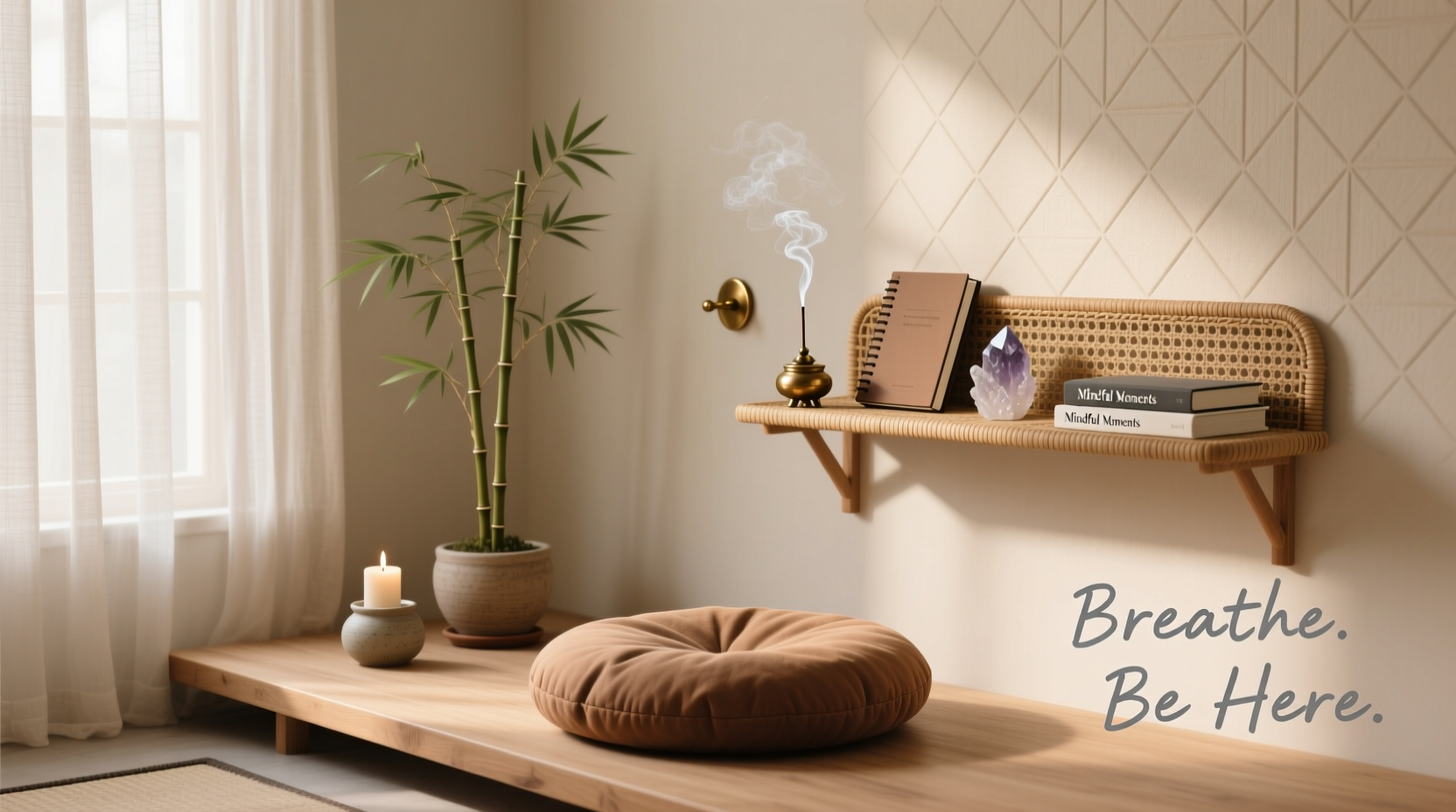
The foundation of a lasting meditation corner is location. It doesn’t need to be large, but it must feel distinct from areas associated with distraction or activity. Look for quiet zones: a spare corner of a bedroom, a nook near a window, or even a section of a closet repurposed for stillness.
Avoid high-traffic areas like hallways or near the TV. The goal is to minimize interruptions and create a sensory shift when you enter the space. Natural light enhances mood and circadian rhythm, so prioritize spots with access to daylight. If privacy is limited, consider using a room divider or folding screen to mark boundaries.
Neuroscience supports environmental cues: when a space becomes consistently linked with a behavior (like meditation), your brain begins to anticipate and prepare for that state upon entering. This phenomenon, known as context-dependent memory, strengthens habit formation.
2. Define Your Space with Intention
Even in small homes, defining a zone sends a powerful signal to your subconscious. Use simple tools—a rug, cushion, shelf, or tape on the floor—to physically delineate the area. This boundary doesn’t just organize space; it creates a psychological threshold between doing and being.
Choose materials that evoke calm. A woven mat, soft textile, or wooden stool can ground the space. Avoid cluttered shelves or multi-use furniture that dilute the purpose. The clearer the designation, the stronger the mental association with stillness.
Consider this: if your meditation cushion also doubles as extra seating during movie night, its symbolic power weakens. Dedication breeds discipline. As meditation teacher Sharon Salzberg notes:
“Creating a space for practice isn’t about perfection—it’s about commitment. The space holds your intention when your mind wavers.” — Sharon Salzberg, Meditation Teacher and Author
3. Curate Minimal, Meaningful Elements
Less is more in a meditation corner. Every object should serve a purpose: to deepen focus, inspire reverence, or support comfort. Resist the urge to over-decorate. Clutter competes for attention and undermines tranquility.
Essential items include:
- A supportive seat (cushion, bench, or chair)
- A small surface for essentials (tea, journal, mala beads)
- Natural elements (a plant, stone, or bowl of water)
- Soft lighting (salt lamp, candle, or dimmable bulb)
Optional additions might include a framed quote, singing bowl, or incense holder—but only if they enhance, not distract. Rotate seasonal items sparingly to maintain freshness without chaos.
4. Optimize for Comfort and Sensory Harmony
Physical discomfort is one of the top reasons people abandon seated meditation. Invest in proper support. A zafu cushion elevates the hips for spinal alignment. Kneeling benches reduce lower back strain. If sitting on the floor isn’t feasible, use a firm chair with feet flat on the ground.
Sensory inputs shape experience. Choose fabrics that feel soothing—linen, cotton, wool. Neutral or earth-toned colors (soft gray, sage, beige) promote calm. Avoid bright patterns or aggressive contrasts.
Sound matters. If ambient noise is unavoidable, consider a white noise machine or nature sound app set to gentle forest or ocean waves. Alternatively, use noise-canceling headphones with a guided track during early stages of practice.
Smell can anchor ritual. Light a beeswax candle or diffuse essential oils like sandalwood, frankincense, or lavender—but only if scent doesn’t trigger distraction or allergies. The key is subtlety.
| Sense | Supportive Choice | Common Pitfall |
|---|---|---|
| Sight | Minimal decor, soft lighting | Overcrowded shelves, harsh overhead lights |
| Touch | Comfortable seat, breathable textiles | Hard floor, stiff clothing |
| Hearing | Nature sounds, silence | Traffic noise, household distractions |
| Smell | Subtle natural scents | Strong perfumes, chemical air fresheners |
5. Build a Ritual That Anchors the Habit
A beautiful space won’t sustain practice without ritual. Habits stick when they’re embedded in existing routines. Attach your meditation to a consistent daily trigger—after brushing your teeth, before coffee, or right after arriving home.
Create a micro-ritual to mark entry into the space. Examples:
- Light a candle
- Ring a bell
- Place hands in prayer position
- Breathe deeply three times before sitting
These small acts function as behavioral cues. Over time, they condition your nervous system to shift into meditative mode. Research in habit formation shows that cues and rewards are more effective than willpower alone.
Start small. Commit to two minutes daily. Success builds motivation. Once the habit stabilizes—typically after 3–6 weeks—gradually extend duration. Consistency trumps length.
“The best meditation practice is the one you actually do. Five minutes every day beats one hour once a month.” — Joseph Goldstein, Insight Meditation Teacher
Real Example: How Maria Made Her Corner Stick
Maria, a graphic designer in Portland, tried meditating for years but always quit within weeks. She’d use a couch pillow and sit amid laundry piles, distracted and uncomfortable. After reading about environmental cues, she repurposed a closet in her studio apartment.
She installed a shelf for her cushion and journal, added a small snake plant for life, and placed a Himalayan salt lamp on a side table. Most importantly, she committed to sitting each morning after brewing tea—linking meditation to an existing habit.
Within a month, she noticed she looked forward to the space. On days she skipped, she felt its absence. Six months later, her 10-minute morning session is non-negotiable, and she occasionally uses the corner for evening breathwork.
Her insight: “It wasn’t about willpower. It was about making it easy, inviting, and tied to something I already did. The space holds me now.”
Step-by-Step Setup Timeline
Building a lasting meditation corner takes intention, not time. Follow this realistic seven-day plan:
- Day 1: Identify 2–3 potential locations. Observe them throughout the day for noise, light, and foot traffic.
- Day 2: Select one spot. Clear the area completely. Sweep or vacuum to reset energy.
- Day 3: Add a base element—a rug or mat—to define the footprint.
- Day 4: Bring in your seat. Test posture and comfort. Adjust as needed.
- Day 5: Introduce one calming object—a plant, stone, or candle.
- Day 6: Set up lighting. Ensure it’s warm and adjustable.
- Day 7: Sit for five minutes. Begin your ritual. Note what feels supportive or distracting.
After Day 7, refine weekly. Remove anything that pulls focus. Add only what deepens presence.
Checklist: Building Your Lasting Meditation Corner
- ☐ Chosen a quiet, low-traffic location
- ☐ Defined space with a rug, mat, or visual marker
- ☐ Selected a comfortable, supportive seat
- ☐ Added one natural element (plant, wood, water)
- ☐ Installed soft, warm lighting
- ☐ Removed clutter and multitasking items
- ☐ Established a daily trigger (e.g., after waking)
- ☐ Created a simple entry ritual (light, breath, sound)
- ☐ Committed to 5–10 minutes daily for 21 days
- ☐ Scheduled a monthly review to refresh the space
Frequently Asked Questions
What if I don’t have a spare room or corner?
You don’t need much. Even a section of a bookshelf facing a wall can become a micro-sanctuary. Use a foldable cushion stored in a basket. When ready to practice, place it in front of the shelf, add a small candle, and face inward. The act of setting it up becomes part of the ritual.
How do I keep the space from becoming cluttered?
Treat it like a temple. Only items directly supporting meditation belong there. Perform a weekly “space scan”: remove anything out of place. Store journals or blankets nearby but not in the zone unless in use. Discipline preserves sanctity.
Can I share the space with someone else?
Yes, but establish clear agreements. Coordinate schedules to avoid overlap. Maintain shared respect for silence and cleanliness. If conflicts arise, consider staggered times or separate zones—even within the same room.
Conclusion: Make Stillness a Part of Your Home—and Your Life
A home meditation corner is more than décor—it’s an investment in your inner resilience. When thoughtfully designed, it becomes a sanctuary that calls you back, day after day. The secret isn’t perfection; it’s persistence. Start small. Prioritize function over aesthetics. Anchor the practice to existing habits. Let the space evolve with you.
Every time you sit, you reinforce a new identity: someone who pauses, listens, and returns to center. That ripple extends far beyond the cushion. It touches your relationships, decisions, and sense of self.




 浙公网安备
33010002000092号
浙公网安备
33010002000092号 浙B2-20120091-4
Comments
No comments yet. Why don't you start the discussion?