
Tweed is a timeless fabric—rugged yet refined, warm without being bulky, and rich in heritage. A well-made tweed blazer or coat can last decades when cared for properly. However, its wool composition and textured weave demand special attention. Improper cleaning can lead to shrinkage, fading, stiffness, or even permanent damage. This guide provides a thorough, step-by-step approach to maintaining your tweed outerwear with precision, ensuring it remains a staple in your wardrobe for years.
Understanding Tweed: Why It Needs Special Care
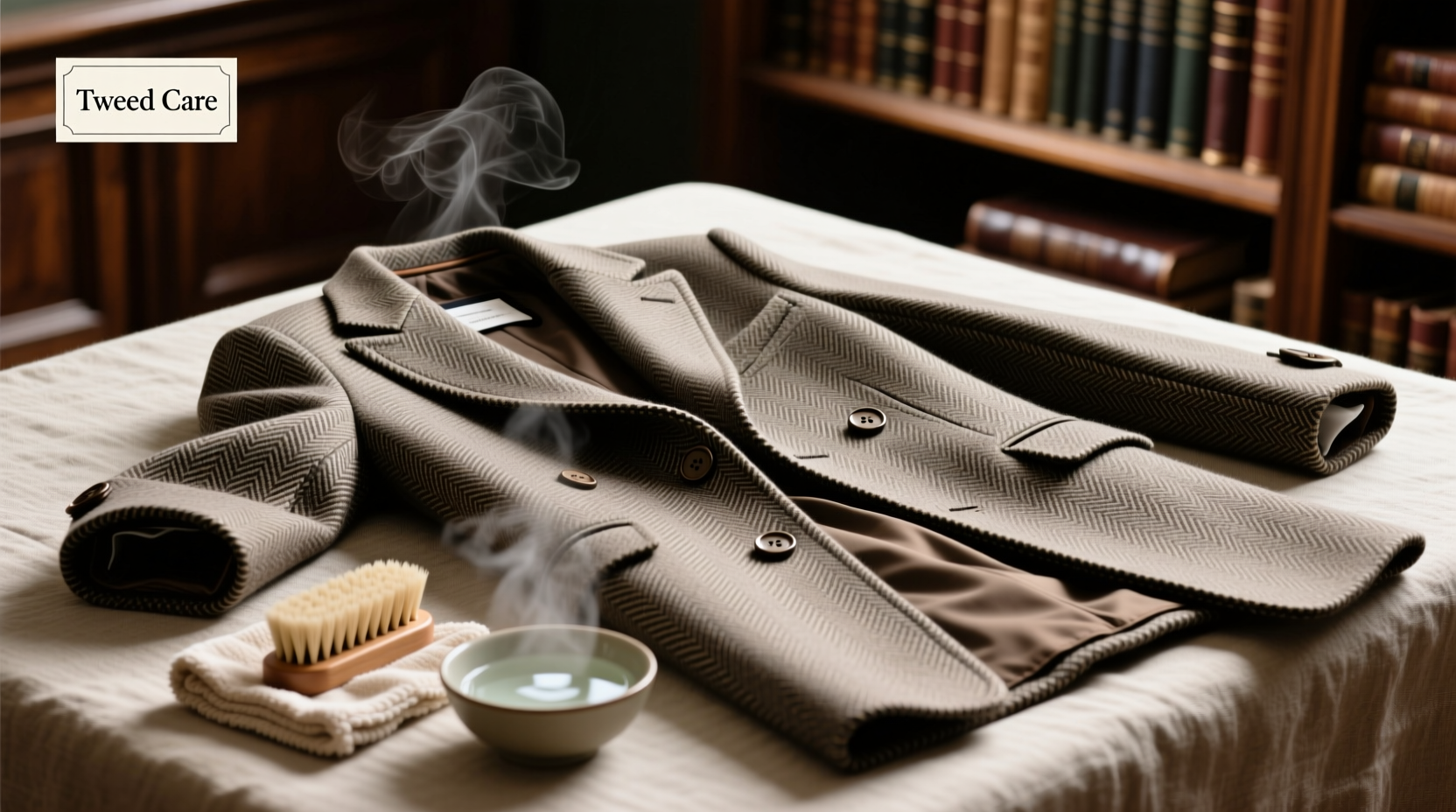
Tweed is typically woven from pure wool or wool blends, often featuring a herringbone, check, or houndstooth pattern. Its dense, napped surface traps dirt and odors differently than smooth fabrics like cotton or polyester. Unlike machine-washable materials, wool fibers react sensitively to heat, moisture, and agitation. Exposing tweed to hot water or tumble drying can cause significant shrinkage due to felting—a process where fibers interlock and compress irreversibly.
Additionally, many tweed garments include natural linings (such as cotton, viscose, or silk) and structured elements like shoulder padding or canvas interlinings. These components are vulnerable to warping or deterioration if submerged improperly. Dry cleaning has long been the default recommendation, but overuse of chemical solvents can degrade wool’s natural oils, leading to brittleness over time.
“Tweed should be treated with respect, not routine. Every cleaning decision impacts its lifespan.” — Julian Hartwell, Master Tailor & Textile Conservator
Step-by-Step Guide to Refreshing Your Tweed Blazer Safely
Regular maintenance prevents deep-set stains and extends wear between professional cleanings. Follow this timeline-based method to refresh your tweed blazer at home without risk.
- After Each Wear: Allow the garment to rest for 24 hours before storing. Hang it on a broad-shouldered wooden hanger in a ventilated closet to release body moisture and odors.
- Weekly Air-Out: Take the blazer outside on a dry, breezy day for 1–2 hours. Avoid direct sunlight to prevent UV fading.
- Spot Cleaning (As Needed): Use a soft clothes brush or suede eraser to gently lift surface dust and lint. Always brush in the direction of the nap.
- Deodorizing (Monthly): Place the blazer in a sealed garment bag with an open box of baking soda for 12–24 hours to neutralize odors.
- Deep Cleaning Interval: Limit full cleaning to once every 1–2 seasons unless visibly soiled.
Do’s and Don’ts of Tweed Maintenance
| Do’s | Don’ts |
|---|---|
| Brush gently with a clothes brush after wearing | Machine wash or soak the entire garment |
| Use cold, damp cloth for minor spot cleaning | Apply heat from irons or hairdryers directly |
| Dry clean only with a specialist experienced in wool | Store folded for long periods (causes creasing) |
| Store on a padded hanger in a breathable garment bag | Use regular laundry stain removers (harsh chemicals) |
| Rotate wear to allow fiber recovery | Wear in heavy rain or snow without protection |
When and How to Spot Clean Stains
Accidents happen. The key is immediate, controlled response. For spills like coffee, wine, or food grease, act quickly but calmly.
- Blot—not rub—the stain with a clean, absorbent cloth.
- Mix one part white vinegar with three parts cold water.
- Dampen a corner of a microfiber cloth; lightly dab the stained area.
- Allow to air-dry completely away from heat sources.
- Once dry, gently brush the area to restore the nap.
For oil-based stains (like salad dressing), sprinkle a small amount of cornstarch or talc on the spot and let it sit for 30 minutes before brushing off. This absorbs the grease without wetting the fabric.
Avoid steam cleaners, carpet shampoos, or household sprays—even “natural” ones—as they may contain emulsifiers that bind dirt deeper into the fibers.
Real Example: Reviving a Heirloom Tweed Coat
Thomas, a university professor, inherited his grandfather’s 1950s Harris Tweed overcoat. Stored in a cedar chest for years, it emerged with musty odor, faded shoulders, and visible moth nibbles along the collar lining. Instead of discarding it, he followed a careful restoration process.
He first aired the coat outdoors for two mornings, then vacuumed the interior lining using a mesh screen to protect the fabric. He brushed the exterior with a horsehair clothes brush, applied a vinegar-water solution to the armpits (a common odor zone), and had it professionally cleaned by a tailor specializing in vintage woolens. The result? A fully revived coat now worn proudly at formal events—proof that patience and proper technique preserve more than fabric; they honor legacy.
Professional Cleaning: Choosing the Right Service
While home care handles routine upkeep, professional cleaning is essential every few years. Not all dry cleaners are equipped for tweed. Seek out services labeled “wet cleaning” or “green cleaning,” which use water-based systems with pH-balanced detergents and precise temperature control—safer for wool than traditional perchloroethylene solvents.
Before handing over your blazer, ask:
- Do you have experience with wool and tweed?
- Do you offer wet cleaning for delicate wools?
- Can you pad-stitch repairs if needed?
A reputable cleaner will inspect the garment, test dyes for colorfastness, and advise on any necessary mending before proceeding.
Frequently Asked Questions
Can I wash my tweed blazer at home?
Full immersion washing is not recommended unless the care label explicitly permits it. Even then, hand-washing carries high risk. Most manufacturers advise dry cleaning only. Surface cleaning and airing are safer alternatives.
How do I store my tweed blazer long-term?
Store it on a sturdy, padded hanger inside a breathable cotton garment bag. Avoid plastic covers—they trap moisture and encourage mildew. Include cedar blocks or lavender sachets to deter moths, but keep them from direct contact with the fabric.
What causes moths to target tweed, and how can I prevent it?
Moth larvae feed on keratin in natural wool fibers. Prevention includes regular brushing, proper storage, and keeping the garment clean (sweat and food residues attract pests). Mothballs work but leave strong odors; consider pheromone traps as a scent-free alternative.
Care Checklist: Maintaining Your Tweed Blazer
- ✔️ Brush after each wear to remove dust and restore nap
- ✔️ Air out weekly in a dry, shaded area
- ✔️ Spot clean stains immediately with cold, damp cloth or vinegar solution
- ✔️ Deodorize monthly with baking soda in a sealed garment bag
- ✔️ Store on a padded hanger in a breathable cotton cover
- ✔️ Schedule professional cleaning every 1–2 years
- ✔️ Inspect regularly for signs of moths or seam wear
Final Thoughts: Respect the Fabric, Honor the Craft
A tweed blazer is more than clothing—it’s a piece of craftsmanship designed to age gracefully. With mindful care, it develops character rather than decline. Each brush stroke, each careful storage choice, contributes to its longevity. By avoiding rushed fixes and respecting the material’s limits, you ensure that your tweed coat remains sharp, functional, and full of story for decades to come.




 浙公网安备
33010002000092号
浙公网安备
33010002000092号 浙B2-20120091-4
Comments
No comments yet. Why don't you start the discussion?