
For collectors and fans alike, game statue figurines represent more than decorative items—they are expressions of passion, artistry, and nostalgia. From intricately detailed limited editions to high-end polystone masterpieces, these collectibles can become lifelong treasures. However, the growing demand has also fueled a surge in counterfeit products. Buying online offers convenience but introduces risks. Knowing how to distinguish genuine pieces from fakes is essential for protecting your investment and preserving the integrity of your collection.
Why Authenticity Matters in Game Statue Collecting
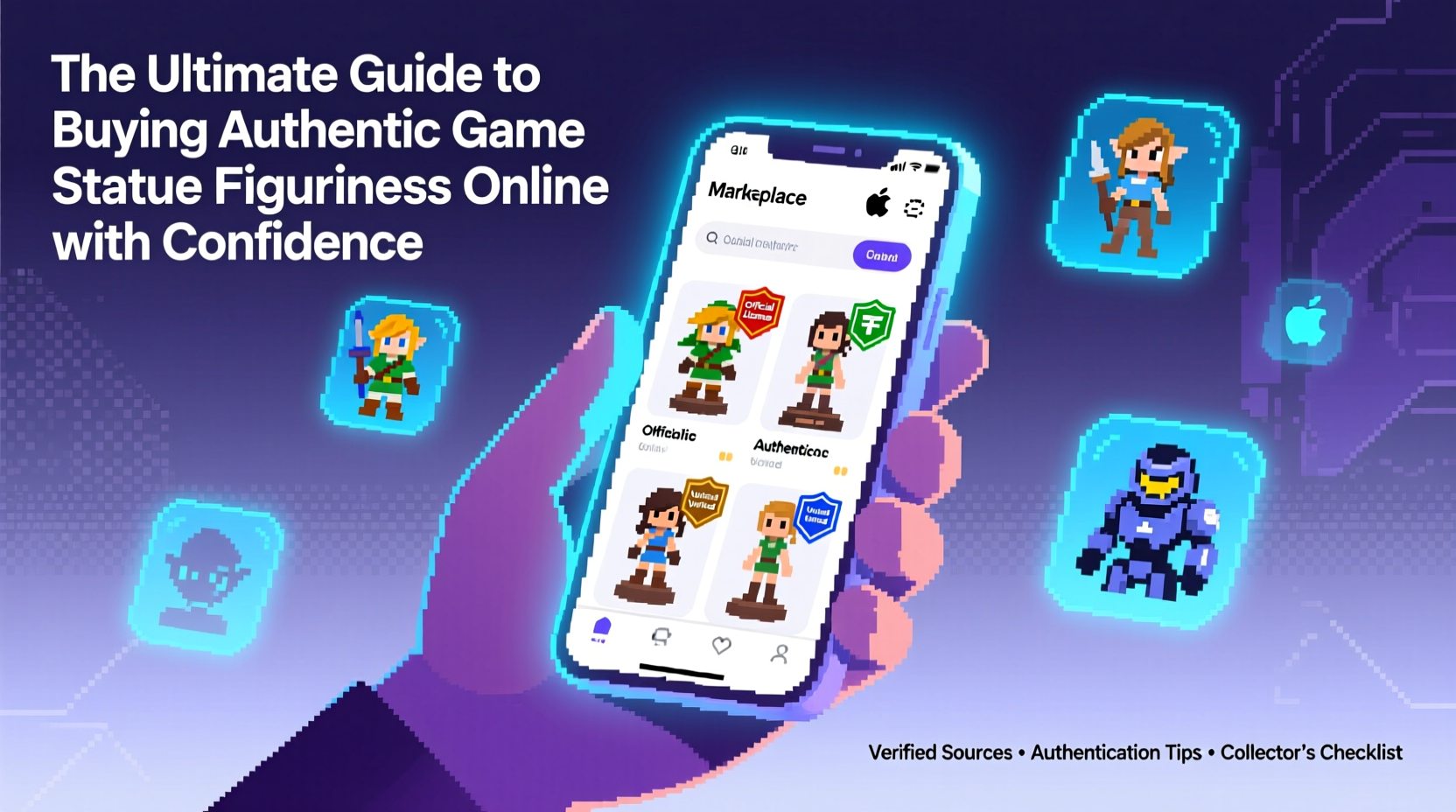
Authentic game statues are often produced in collaboration with game developers, artists, and licensed manufacturers. These partnerships ensure that every detail—from facial expression to costume texture—reflects the original vision. Counterfeit versions, on the other hand, frequently compromise on materials, sculpt accuracy, and paint quality. Beyond aesthetic differences, authenticity affects long-term value. A verified limited edition from a reputable studio can appreciate over time, while knockoffs hold little to no resale worth.
Licensing is a critical factor. Genuine statues carry official branding such as “© [Game Studio]” or “Officially Licensed Product.” This indicates legal permission to reproduce characters and designs. Without it, the product is not only a fake but may also support unethical manufacturing practices.
“Collectors should treat each purchase like an investment. Verifying authenticity isn’t optional—it’s part of responsible collecting.” — Marcus Tran, Senior Curator at the Digital Art & Memorabilia Archive
How to Identify Genuine Game Statues: Key Indicators
Distinguishing real from replica requires attention to specific details. While packaging and presentation matter, deeper inspection reveals the truth.
- Manufacturer branding: Reputable companies like Prime 1 Studio, Sideshow Collectibles, or First 4 Figures include logos, model numbers, and serial codes on both packaging and base.
- Material quality: Authentic statues use cold-cast resin, polystone, or high-grade PVC. Fakes often feel lighter due to cheaper resins or hollow construction.
- Paint finish and precision: Look for clean lines, consistent shading, and no visible mold seams. Authentic pieces undergo hand-finishing; mass-produced counterfeits show brush streaks or overspray.
- Scale and proportions: Compare dimensions with official product specs. Inaccurate scaling (e.g., oversized heads or shortened limbs) is a red flag.
- Certificate of Authenticity (COA): Most premium statues include a numbered COA matching the edition number. Verify its format against the manufacturer’s standard.
Step-by-Step Guide to Buying Safely Online
Purchasing a high-value collectible online demands a structured approach. Follow this timeline to minimize risk and maximize confidence.
- Research the official product: Visit the manufacturer’s website to confirm release dates, pricing, and design details. Note the exact model number and edition size.
- Identify authorized retailers: Stick to known platforms like Sideshow, BigBadToyStore, or direct brand stores. Avoid third-party marketplaces unless seller ratings are exceptional.
- Verify listing details: Check photos for clarity and consistency. Sellers of authentic items provide multiple angles, close-ups, and unboxing shots.
- Contact the seller: Ask for additional images, proof of purchase, or COA scans. Legitimate sellers respond promptly and transparently.
- Review return policy and shipping: Ensure the site offers insurance, tracking, and returns in case of damage or misrepresentation.
- Inspect upon arrival: Open the package carefully, compare contents to official specs, and check for included documentation before finalizing ownership.
Trusted Sources vs. Risky Platforms: A Comparison
Not all online stores offer the same level of protection. The table below outlines where to buy—and where to tread carefully.
| Platform Type | Recommended? | Pros | Cons |
|---|---|---|---|
| Official Brand Stores (e.g., Sideshow) | Yes | Direct access, full warranty, exclusive editions | Limited stock, high demand |
| Authorized Retailers (e.g., BigBadToyStore) | Yes | Reliable inventory, customer support, pre-orders | Slightly higher prices |
| Auction Sites (e.g., eBay) | With caution | Potential deals, rare finds | High counterfeit risk, variable seller trust |
| Unknown Marketplaces (e.g., some social media shops) | No | Low prices | No recourse, no authentication, scams common |
Real Example: A Collector’s Close Call
Jamie, a longtime fan of The Witcher series, found what appeared to be a discounted Geralt of Rivia statue on a third-party marketplace. The photos looked professional, and the price was 30% below retail. Excited, he made the purchase. When the package arrived, subtle flaws emerged: the sword was slightly bent, the base lacked the expected weight, and the certificate had a blurry logo. After contacting Prime 1 Studio with the serial number, Jamie learned the item was not registered in their database. He had bought a counterfeit. Though disappointed, he shared his experience online, helping others avoid the same trap. His story underscores the importance of skepticism—even when a deal seems too good to pass up.
Checklist: Before You Confirm Your Purchase
Use this checklist to ensure every online transaction is secure and informed.
- ✅ Confirmed the product exists via the official manufacturer’s site
- ✅ Verified the retailer is authorized or highly rated
- ✅ Reviewed high-resolution images of the actual item (not stock photos)
- ✅ Checked for included Certificate of Authenticity
- ✅ Ensured secure payment options (credit card or PayPal buyer protection)
- ✅ Read return policy and shipping terms
- ✅ Compared price to market average—no suspicious discounts
Frequently Asked Questions
How can I verify a Certificate of Authenticity?
Visit the manufacturer’s official website and look for a verification portal. Enter the serial number listed on the COA. If no database exists, contact customer support directly with a photo of the document for confirmation.
Are open-box statues safe to buy?
Yes, if purchased from a reputable source. Many collectors sell gently used display pieces. Ensure the listing includes clear photos of all sides, confirms functionality (for LED bases), and retains original packaging and COA.
What should I do if I receive a counterfeit?
Immediately stop displaying or reselling the item. Document everything—photos, receipts, communications—and report the seller to the platform and relevant consumer protection agency. Contact the brand so they can track fraudulent activity.
Protecting Your Collection Long-Term
Once you’ve secured an authentic statue, preservation becomes key. Display cases with UV-filtered glass prevent fading. Maintain stable humidity levels to avoid resin degradation. Dust gently with microfiber cloths, and avoid chemical cleaners. Register your purchase with the manufacturer if possible—some brands offer lifetime authenticity tracking or collector community access.
Final Thoughts: Collect with Confidence
Authentic game statue figurines blend art, storytelling, and craftsmanship into tangible form. With rising imitation, the responsibility falls on buyers to act wisely. By sourcing from trusted vendors, scrutinizing details, and arming yourself with knowledge, you can build a collection that honors the games you love—and stands the test of time. Every statue tells a story; make sure yours begins with a legitimate origin.




 浙公网安备
33010002000092号
浙公网安备
33010002000092号 浙B2-20120091-4
Comments
No comments yet. Why don't you start the discussion?