
Tweed coats with contrasting weaves are timeless pieces—crafted for durability, elegance, and seasonal versatility. Their distinctive patterns, often blending wool hues in herringbone, check, or houndstooth, add visual depth and sophistication. However, these complex textiles demand specialized care. Improper cleaning can distort weave alignment, fade contrast threads, or felt the wool fibers. Preserving both aesthetic and structural integrity requires knowledge, patience, and the right tools. This guide delivers a comprehensive approach to maintaining your tweed coat so it remains a wardrobe staple for decades.
Understanding Tweed and Contrasting Weaves
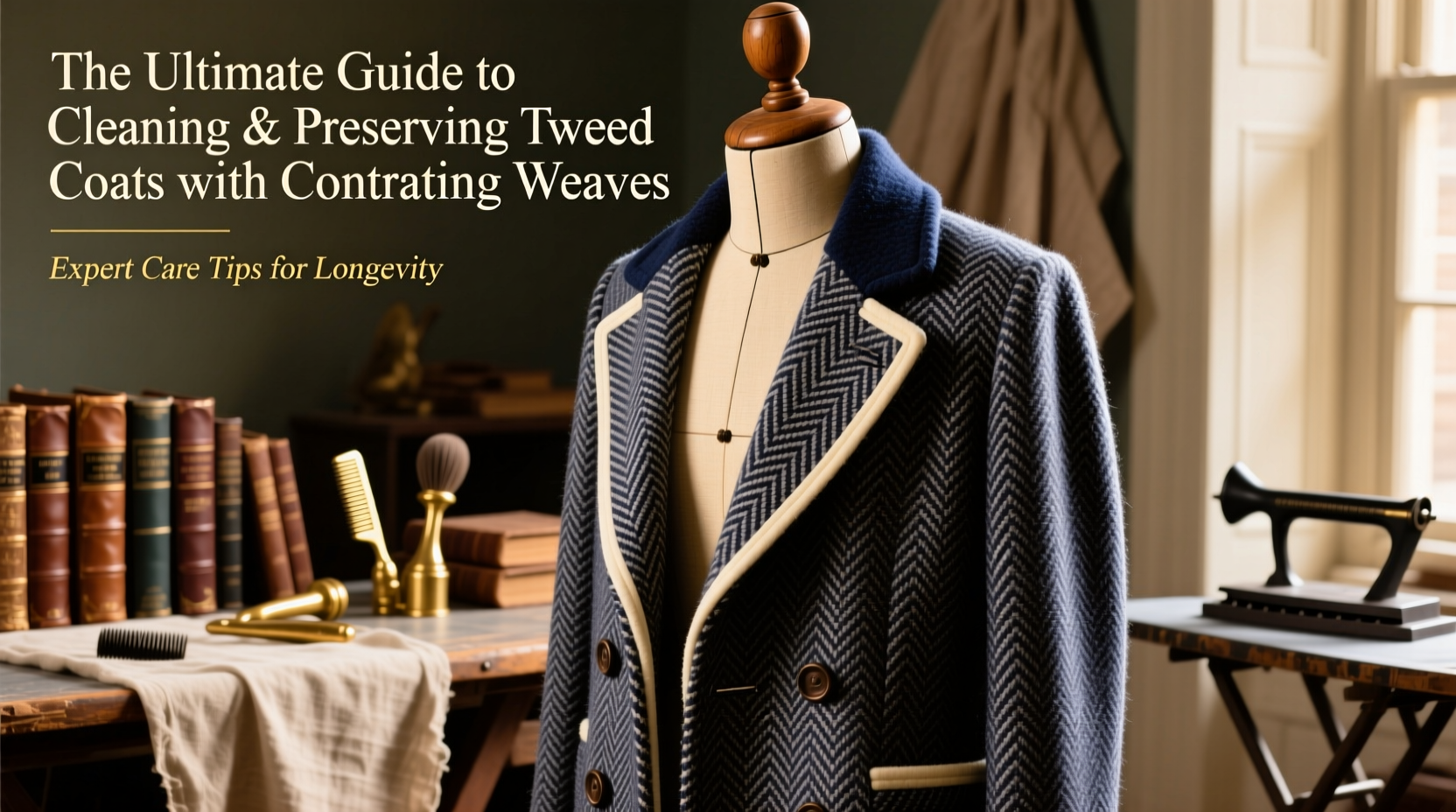
Tweed is traditionally made from carded wool yarns, woven tightly to resist wind and moisture. Coats featuring contrasting weaves incorporate threads of different colors or textures into the base fabric—such as navy warp with cream weft, or black accents in a charcoal matrix. These variations create visual interest but also introduce vulnerabilities: dye instability, differential shrinkage, and uneven wear during cleaning.
The blend of wools may include Shetland, Donegal, or Harris Tweed, each with unique characteristics. Harris Tweed, for instance, is handwoven in the Outer Hebrides and protected by law, making preservation not just practical but cultural. When contrasting elements are introduced—like bright over-checks or colored selvage edges—the risk of misalignment during washing increases significantly.
“Tweed’s beauty lies in its imperfections—slubs, color flecks, and irregular weaves. Cleaning should enhance, not erase, these traits.” — Fiona MacLeod, Textile Conservator at the Scottish Wool Trust
Step-by-Step Guide to Safe Cleaning
Cleaning a tweed coat with contrasting weaves is not about removing every speck of dust—it’s about targeted maintenance that respects fiber behavior. Never machine-wash unless the label explicitly permits it (rare). Instead, follow this controlled process:
- Dry Brush Weekly: Use a soft-bristle clothes brush to remove surface dust and lint. Always brush in the direction of the nap, starting from the shoulders down.
- Spot Clean Stains Immediately: Dab (do not rub) spills with a clean, damp microfiber cloth. For oil-based stains, apply cornstarch or talc, let sit for 30 minutes, then brush off.
- Steam, Don’t Soak: Hang the coat in a steamy bathroom after a hot shower to relax odors and wrinkles. For deeper refresh, use a garment steamer on low heat, keeping 6 inches from the fabric.
- Professional Dry Cleaning (Biannual): Choose a cleaner experienced with wool and heritage garments. Inform them of the contrasting weaves to prevent solvent damage to weaker dyes.
- Air and Rotate: After wearing, hang the coat in a ventilated area for 24 hours before storing. Rotate usage to avoid localized stress.
Do’s and Don’ts of Tweed Care
| Action | Recommendation | Rationale |
|---|---|---|
| Brushing | Do: Use a horsehair brush weekly | Prevents embedded dirt and maintains nap alignment |
| Storage | Do: Use wide, padded hangers in breathable cotton bags | Preserves shoulder shape and prevents moth infestation |
| Folding | Don’t: Fold long-term or crease across contrasting panels | Can permanently set lines in mixed-weave zones |
| Cleaning Agents | Don’t: Apply alcohol, vinegar, or DIY solutions | May strip natural lanolin and fade delicate dyes |
| Heat Exposure | Don’t: Iron directly or use high-heat dryers | Wool felts above 120°F; contrasting threads may melt or blur |
Maintaining Structure and Preventing Wear
Contrasting weaves often appear in high-movement areas—elbows, cuffs, lapels—where abrasion is most likely. To preserve these zones:
- Rotate between multiple coats to reduce friction on any single piece.
- Use removable elbow patches if wear begins—these can be stitched discreetly and match the original weave.
- Check lining integrity annually. A torn lining can pull on outer fabric, distorting the weave.
- Store away from direct sunlight to prevent UV fading, especially in lighter contrast threads.
One common issue is \"nap reversal\"—a shiny patch caused by repeated brushing in one direction. To correct this, gently steam the area and brush lightly in the opposite direction. Prevention is better: vary brushing angles slightly each time.
Real Example: Restoring a Vintage Prince of Wales Check Coat
James R., a vintage clothing collector in Edinburgh, owned a 1950s tweed overcoat with a bold black-and-white windowpane overlay on a brown herringbone base. After years in cedar-lined storage, he noticed dullness and stiffness. He avoided washing and instead took it to a specialist conservator. The coat was vacuumed with a mesh screen to prevent snagging, then lightly steamed. The conservator applied a lanolin-based wool refresher to restore softness without wetting the fabric. The result? A revitalized coat with intact contrast lines and renewed drape—proving that minimal intervention often yields the best outcome.
Essential Preservation Checklist
- ✔️ Brush coat weekly with soft bristles
- ✔️ Store on a padded hanger in a breathable garment bag
- ✔️ Spot clean only—never immerse in water
- ✔️ Schedule professional cleaning once or twice per year
- ✔️ Inspect for moths monthly (look for tiny holes or webbing)
- ✔️ Avoid hanging near radiators or humidifiers
- ✔️ Rotate wear to distribute stress across fibers
Frequently Asked Questions
Can I wash a tweed coat at home if it’s labeled “dry clean only”?
No. Most tweed, especially with contrasting weaves, will shrink, felt, or lose structural definition when exposed to home washing conditions. Even “hand wash” labels require extreme caution. If you must attempt it, test on an inside seam first and use cold water with wool-specific detergent—but professional cleaning remains the safest option.
How do I deal with moth damage on a contrasting weave?
At the first sign—small holes or powdery residue—freeze the coat in a sealed plastic bag for 72 hours to kill larvae. Then have it professionally repaired. A skilled tailor can reweave damaged sections using matching thread, preserving the original pattern. Never ignore early signs; moths target wool-rich areas, including contrast zones.
Is it safe to use a steamer on all types of tweed?
Yes, but with precautions. Use low heat and hold the steamer 6–8 inches from the fabric. Avoid lingering on one spot. Test on an inconspicuous area first, especially if the contrasting threads are synthetic blends. Steaming lifts odors and smooths wrinkles without moisture saturation.
Final Thoughts: Treat Tweed Like Heirloom Fabric
A tweed coat with contrasting weaves is more than outerwear—it’s a crafted object, often made with generations of textile knowledge. Its value increases with proper care. By avoiding aggressive cleaning, prioritizing gentle maintenance, and respecting the complexity of mixed weaves, you ensure longevity and lasting appeal. These coats were built to endure; your role is to steward them wisely.




 浙公网安备
33010002000092号
浙公网安备
33010002000092号 浙B2-20120091-4
Comments
No comments yet. Why don't you start the discussion?