
Resin water lamps have emerged as striking centerpieces in modern interiors—blending artistry, ambient lighting, and soothing motion into one mesmerizing object. Their luminous glow, created by LED lights beneath flowing water and suspended decorative elements, adds a calming elegance to any space. However, without proper care, their brilliance can fade, algae may grow, and internal components may degrade. To preserve both function and beauty, consistent maintenance is essential. This guide delivers actionable insights for keeping your resin water lamp radiant, clean, and fully operational for years.
Understanding Your Resin Water Lamp’s Components
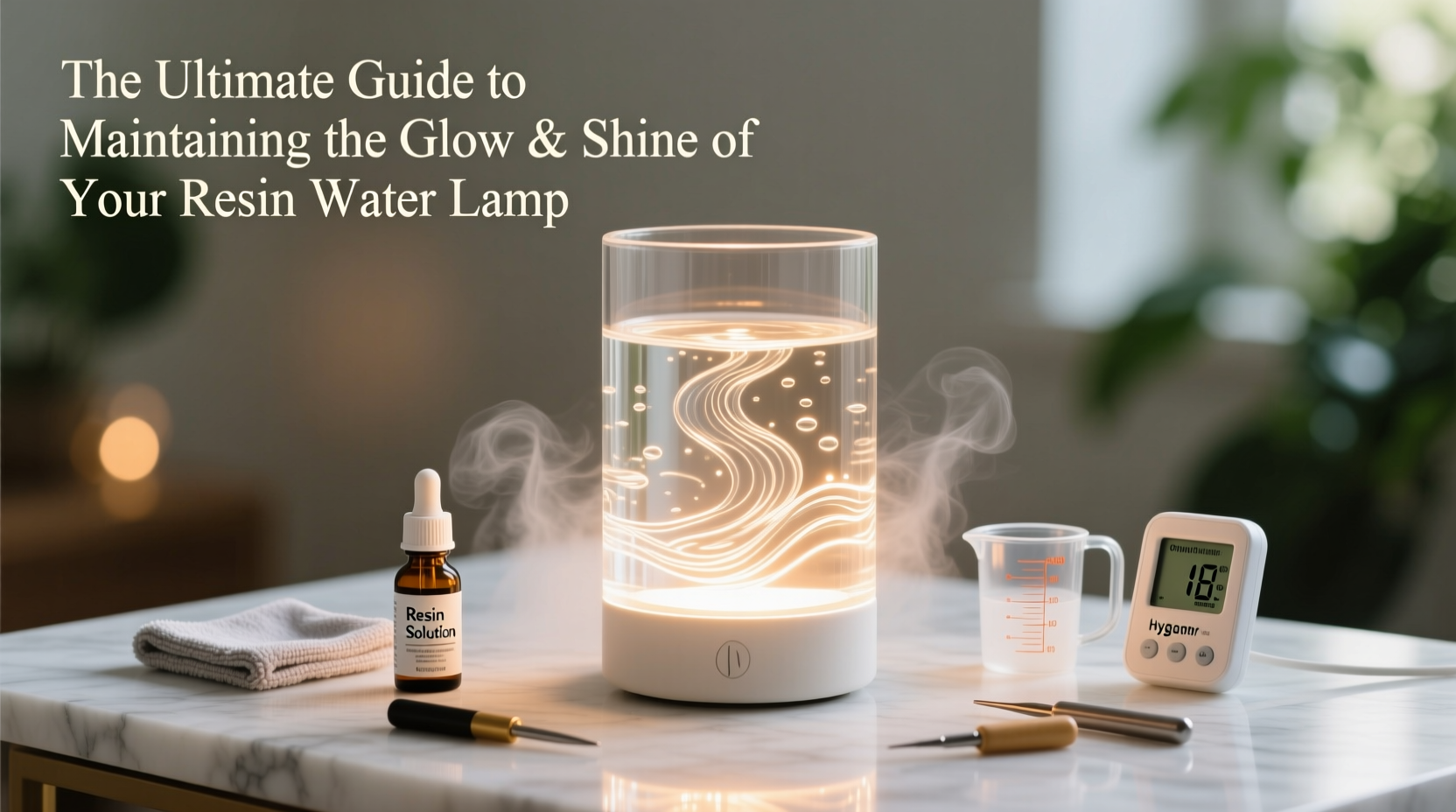
A resin water lamp typically consists of several key parts: a hand-poured epoxy resin casing, a water reservoir, submersible LED lighting, a small pump (in circulating models), and decorative inclusions like glitter, dried flowers, or metallic flakes. The resin shell is non-porous when properly cured, making it resistant to moisture damage—but not immune to surface wear. The internal water chamber must remain free of biological buildup, while the electronics require protection from spills and condensation.
Because these lamps combine organic aesthetics with electronic functionality, maintenance must address both visual appeal and technical performance. Dust on the surface dulls light transmission, mineral deposits cloud water clarity, and neglected seals invite moisture into electrical components.
“Many customers don’t realize that even sealed units benefit from periodic inspection. A little attention prevents big issues.” — Lena Torres, Artisan Lighting Designer & Resin Specialist
Step-by-Step Weekly Maintenance Routine
Regular upkeep ensures consistent performance and preserves aesthetic quality. Follow this weekly timeline to keep your lamp glowing brightly:
- Power down and unplug the lamp at least 30 minutes before handling. Allow LEDs to cool completely.
- Wipe the exterior with a microfiber cloth slightly dampened with distilled water. Avoid abrasive cleaners or alcohol-based solutions, which can scratch or haze the resin surface.
- Inspect the seal around the cap or access point. Look for cracks, warping, or residue buildup that could compromise waterproofing.
- Check water level and clarity. If evaporation has occurred, top off with distilled water only—tap water introduces minerals that promote algae and leave deposits.
- Examine light output. Dimming or flickering may indicate battery issues (for cordless models) or early signs of LED degradation.
Monthly Deep-Cleaning Protocol
Every four weeks, perform a deeper clean to prevent long-term deterioration. This process requires temporarily disassembling the lamp if designed for user access. Refer to manufacturer instructions before proceeding.
Materials Needed:
- Distilled water
- Soft-bristle brush or pipe cleaner
- White vinegar (optional, for mild scale removal)
- Clean lint-free cloths
- Small funnel (for refilling)
Procedure:
- Unplug and dismantle according to the manual. Remove the lid or base carefully.
- Pour out old water into a sink. Do not pour down drains connected to septic systems if glitter or synthetic additives are present.
- Rinse the interior gently with lukewarm distilled water. For stubborn film, mix one part white vinegar with three parts distilled water, swirl inside for 5–10 minutes, then rinse thoroughly.
- Clean decorative elements separately using a soft brush. Avoid scrubbing delicate inclusions like dried petals.
- Dry all components completely with a lint-free towel. Let air-dry for an additional hour before reassembly.
- Refill with fresh distilled water, ensuring no air pockets trap around the pump or LEDs.
- Reassemble securely and test operation.
Do’s and Don’ts: Care Best Practices Summary
| Do’s | Don’ts |
|---|---|
| Use distilled water exclusively | Use tap or bottled water regularly |
| Clean the exterior weekly with a dry microfiber cloth | Apply window cleaners or solvents |
| Place the lamp on a level, stable surface away from direct sunlight | Expose to prolonged UV rays or heat sources |
| Store indoors during extended non-use | Leave outdoors or in humid bathrooms indefinitely |
| Replace batteries promptly in wireless models | Ignore corrosion on battery contacts |
Real Example: Reviving a Cloudy Resin Lamp
Sarah, a wellness coach from Portland, received a resin water lamp as a gift six months ago. Initially captivated by its soft blue glow, she placed it near her bedroom window. After two months, the water turned hazy, and greenish streaks appeared along the inner walls. Believing it was broken, she nearly discarded it—until she researched maintenance online.
Following a deep-cleaning method involving a vinegar rinse and full disassembly, Sarah removed the biofilm and replaced the water with distilled liquid. She relocated the lamp to a shaded shelf and began wiping it weekly. Within days, the clarity returned, and the light projection regained its original intensity. “I didn’t realize placement and water type mattered so much,” she said. “Now it’s my favorite nightlight again.”
Long-Term Preservation Strategies
To extend the lifespan of your resin water lamp beyond two or three years, adopt preventive habits:
- Avoid direct sunlight: UV exposure yellows resin over time, especially cheaper formulations. Place in indirect light zones.
- Control humidity: In high-moisture environments (like kitchens or bathrooms), condensation can seep into seams, risking short circuits.
- Rotate display locations: If you own multiple lamps, rotating them every few weeks reduces continuous strain on one unit.
- Upgrade lighting modules: Some brands offer replaceable LED strips. Swapping them every 18–24 months restores brightness without replacing the entire piece.
Frequently Asked Questions
Can I add food coloring or essential oils to the water?
No. Dyes can stain the resin and clog pumps, while oils may degrade seals and create microbial growth. Stick to pure distilled water for safety and longevity.
Why is my lamp dimmer than when I bought it?
Dimming often results from dust accumulation on the lens or LED housing, mineral deposits inside the water chamber, or aging batteries. Clean the unit and replace power sources first. If unresolved, contact the manufacturer about potential LED replacement.
How do I know if my resin lamp is sealed properly?
A well-sealed lamp shows no water leakage after 24 hours of operation. Check for droplets outside the base or fogging under the lid. If detected, stop use immediately and inspect gaskets or adhesive seals.
Essential Maintenance Checklist
- ✅ Unplug before cleaning
- ✅ Wipe exterior weekly with microfiber cloth
- ✅ Top off with distilled water weekly
- ✅ Perform deep clean monthly
- ✅ Inspect seals and wiring quarterly
- ✅ Store in a climate-stable area
- ✅ Replace batteries or recharge as needed
Conclusion
The allure of a resin water lamp lies in its seamless blend of light, motion, and craftsmanship. But its lasting impact depends on thoughtful care. By integrating simple cleaning habits, respecting material limitations, and staying proactive about maintenance, you protect not just functionality—but the emotional resonance of a truly unique decor piece. A well-kept lamp continues to cast its tranquil glow, enhancing your space with undiminished charm.




 浙公网安备
33010002000092号
浙公网安备
33010002000092号 浙B2-20120091-4
Comments
No comments yet. Why don't you start the discussion?