
Bulalo, the rich and comforting beef marrow bone soup from the Philippines, is more than just a meal—it’s a cultural staple that brings families together. Known for its milky broth, tender meat, and soft, buttery marrow, bulalo is a dish that rewards patience and precision. While it may seem intimidating to recreate at home, especially outside the Philippines, the process is straightforward when you understand the fundamentals. This guide walks you through every stage—from selecting the right cut to serving with traditional accompaniments—so you can make an authentic, restaurant-quality bulalo in your own kitchen.
The Essence of Authentic Bulalo
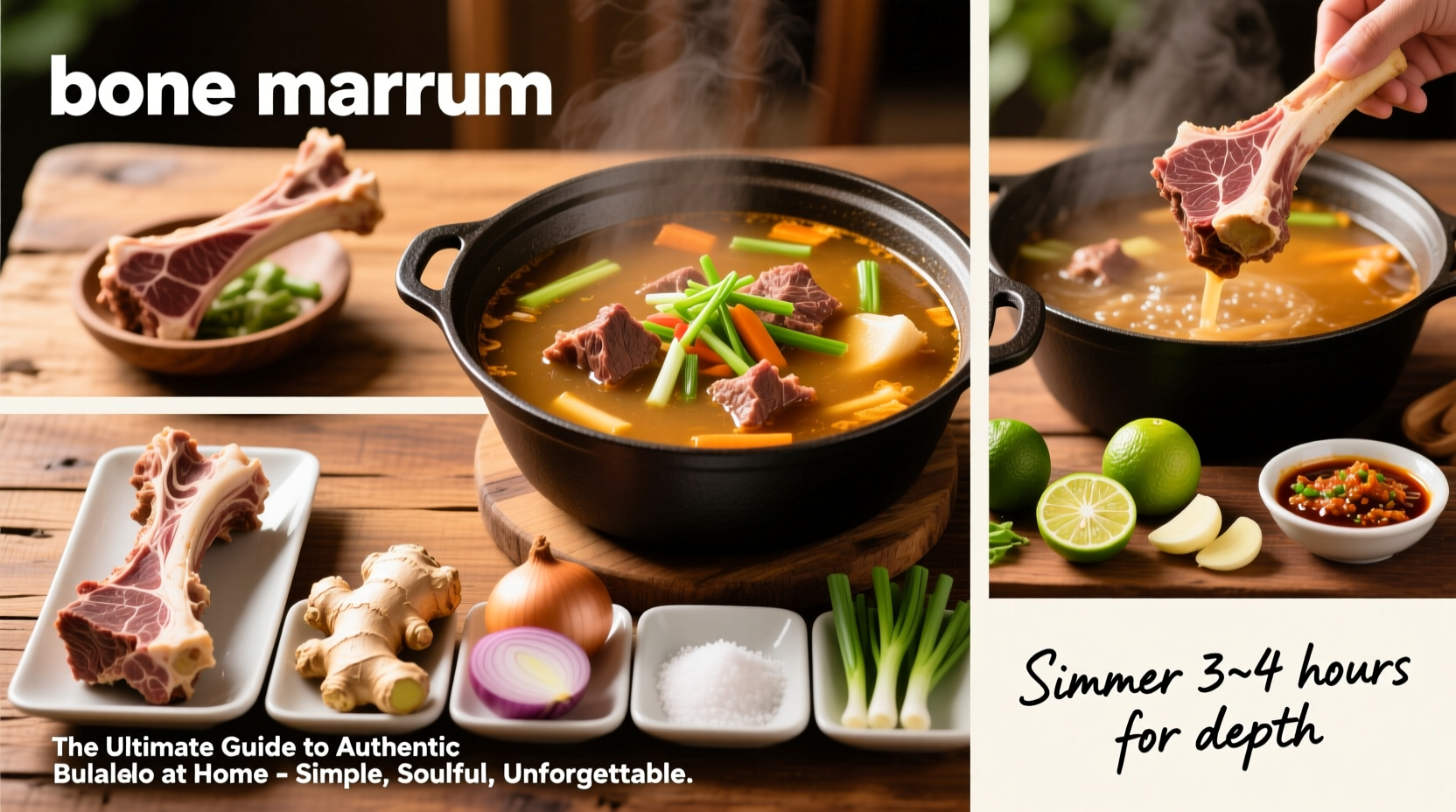
Originating from Batangas, bulalo centers around tulang baka—beef shank or leg bones with abundant marrow. The magic happens slowly: long simmering extracts collagen, fat, and minerals from the bones, creating a broth that’s creamy, deeply savory, and naturally thickened. Unlike other beef soups, bulalo doesn’t rely heavily on spices. Instead, its flavor comes from time, quality ingredients, and balance.
Authenticity lies not in complexity but in respect for tradition. That means no shortcuts like store-bought broth enhancers or pressure-cooking for less than two hours. True bulalo takes 4 to 6 hours of gentle simmering, allowing the marrow to melt into the soup and vegetables to absorb the essence of the meat.
“Bulalo isn’t about speed. It’s about presence. The longer you let it breathe, the deeper the soul of the soup becomes.” — Chef Lorna Doro, Filipino Culinary Historian
Essential Ingredients and Where to Find Them
Using the right components is half the battle. Here’s what you need:
- Beef shank (tulang baka): Look for cross-cut sections with large marrow cavities. Ask your butcher for “bulalo cuts” or “soup bones with marrow.”
- Water: Fresh, filtered water ensures a clean-tasting broth.
- Onions and garlic: For aromatic base notes.
- Cabbage: Added toward the end for freshness and texture.
- Green beans (string beans): Traditional vegetable addition.
- Salt and fish sauce (patis): For seasoning. Patis adds umami depth without overpowering.
- Optional additions: Corn on the cob, potatoes, or carrots for heartier texture.
Step-by-Step Cooking Process
Follow this timeline to achieve a clear, rich, and flavorful bulalo:
- Blanch the bones (15–20 mins): Place bones in a large pot, cover with cold water, and bring to a boil. Skim off gray foam as it rises. Drain and rinse bones and pot. This step removes impurities and ensures a clean broth.
- Simmer the bones (3–4 hours): Return cleaned bones to the pot. Add fresh water to cover by 2 inches. Bring to a boil, then reduce to a low simmer. Partially cover. Check occasionally and skim any surface fat if desired.
- Add aromatics (after 2 hours): Toss in whole onions and crushed garlic. Continue simmering.
- Incorporate vegetables (last 30–45 mins): Start with harder vegetables like corn and potatoes. Add cabbage and green beans in the final 15 minutes.
- Season carefully (final 10 mins): Use salt and patis to taste. Over-salting early can make the broth too intense after reduction.
- Serve hot: Ladle broth into bowls, ensuring each gets a piece of marrow-rich bone. Serve with steamed rice and calamansi on the side.
Do’s and Don’ts: A Quick Reference Table
| Do’s | Don’ts |
|---|---|
| Blanch bones first to clarify broth | Start with hot water—always use cold |
| Simmer gently; never boil vigorously | Stir the pot too often—disturbs clarity |
| Add vegetables in stages based on cook time | Add all veggies at once—some will overcook |
| Taste and season at the end | Over-season early—flavors concentrate |
| Skim excess fat if preferred | Discard the marrow—scoop it out and enjoy! |
Tips for Elevating Your Bulalo Game
Once you’ve mastered the basics, consider these professional touches:
- Use a stockpot with a tight-fitting lid to minimize evaporation and maintain consistent heat.
- Let the soup rest off heat for 15 minutes before serving. This allows flavors to settle and meld.
- Freeze leftover broth in portions for future use. It keeps well for up to 3 months and makes a perfect base for noodle soups or stews.
- Offer calamansi wedges at the table. A squeeze of citrus brightens the richness and balances the marrow’s unctuousness.
A Real Kitchen Story: Maria’s Sunday Tradition
Maria, a nurse living in Vancouver, missed her lola’s bulalo every winter. After years of failed attempts using canned broth and pre-cut vegetables, she decided to follow the full traditional method. She sourced grass-fed beef shanks from a local halal market, blanched them thoroughly, and simmered the pot for five hours while reading to her children. When she finally served it with white rice and a side of bagoong, her son said, “This tastes like Lola’s.” That moment wasn’t just about flavor—it was about connection. Her version wasn’t perfect, but it was real, patient, and made with love—the true essence of bulalo.
Frequently Asked Questions
Can I use a pressure cooker for bulalo?
Yes, but with caveats. A pressure cooker can reduce cooking time to 60–90 minutes, but the broth may lack the nuanced depth of slow simmering. If using one, still blanch the bones first and allow a natural release to prevent cloudiness.
How do I know when the marrow is ready?
The marrow should be soft enough to scoop out easily with a spoon. If it resists or feels rubbery, continue simmering. Fully cooked marrow melts into the broth slightly, enriching its mouthfeel.
Is bulalo healthy?
When prepared mindfully, yes. Beef marrow is rich in healthy fats, collagen, and nutrients like iron and vitamin B12. To keep it balanced, skim excess fat, limit added salt, and pair with fiber-rich vegetables and brown rice.
Checklist: How to Make Perfect Bulalo at Home
- ☐ Source high-quality beef shank with visible marrow
- ☐ Blanch bones and clean the pot
- ☐ Simmer gently for 4–6 hours
- ☐ Add vegetables in order of density
- ☐ Season lightly at the end
- ☐ Serve with rice, fish sauce, and calamansi
- ☐ Store leftovers properly or freeze broth
Final Thoughts: Turn Patience Into Flavor
Authentic bulalo isn’t fast food. It’s slow food—crafted with care, attention, and a willingness to wait. But the reward is undeniable: a bowl of golden, aromatic soup that warms the body and honors tradition. Whether you’re cooking for family, celebrating a quiet Sunday, or reconnecting with heritage, every step you take brings you closer to the heart of Filipino comfort cuisine.




 浙公网安备
33010002000092号
浙公网安备
33010002000092号 浙B2-20120091-4
Comments
No comments yet. Why don't you start the discussion?