
Rainbow trout is a delicate, nutrient-rich fish prized for its mild flavor and tender texture. When cooked properly, it delivers a buttery, flaky bite that elevates any meal. Yet, many home cooks struggle with overcooking, drying out, or under-seasoning this delicate fillet. Achieving restaurant-quality results at home requires more than just heat and seasoning—it demands an understanding of timing, technique, and temperature. This comprehensive guide breaks down everything you need to know to cook rainbow trout fillets to perfection, whether you're pan-searing, baking, grilling, or poaching.
Understanding Rainbow Trout: Why It’s Different
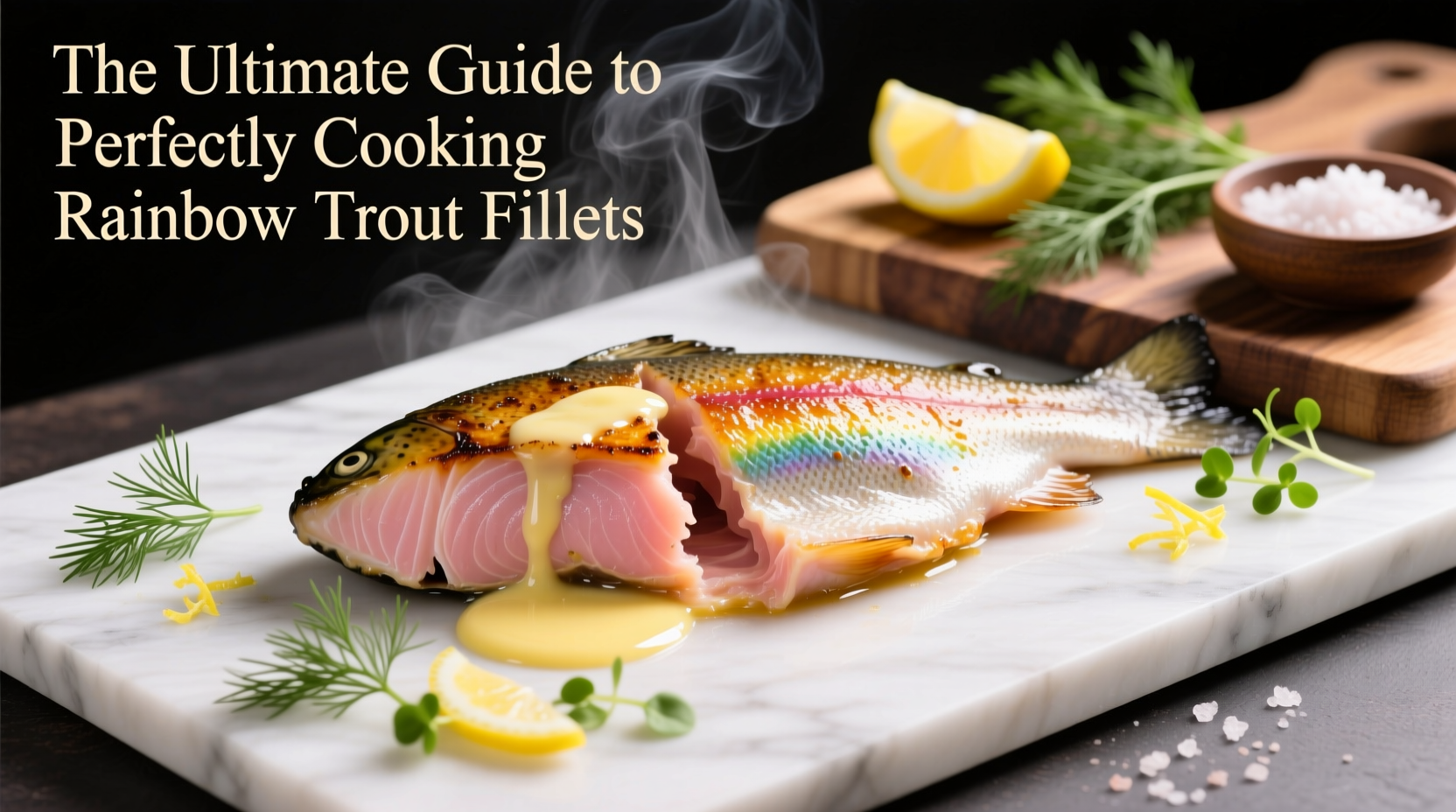
Rainbow trout (Oncorhynchus mykiss) is a cold-water fish often farmed sustainably in freshwater environments. Unlike heavier fish like salmon or tuna, trout has a subtle, slightly nutty flavor and a tender flesh that cooks quickly. Its thin fillets are prone to overcooking, which leads to dryness and loss of texture. The key lies in respecting its delicacy.
Fresh trout should have firm, translucent flesh with a clean, oceanic aroma—never fishy. Look for fillets with bright pinkish-orange hues and no signs of browning or separation. If possible, buy skin-on fillets; the skin protects the flesh during cooking and crisps beautifully when seared.
“Trout is one of the most underrated fish in American kitchens. It’s sustainable, affordable, and incredibly versatile—if you don’t overcook it.” — Chef Daniel Ruiz, Sustainable Seafood Advocate
Essential Cooking Techniques for Perfect Results
Different cooking methods bring out distinct qualities in rainbow trout. Mastering a few core techniques ensures you can adapt to your ingredients and tools while maintaining consistent quality.
Pan-Searing: Fast, Flavorful, and Crispy
This method delivers a golden crust on the skin while keeping the interior moist. Ideal for weeknight dinners.
- Pat fillets dry with paper towels—moisture is the enemy of crisp skin.
- Salt the skin side 10 minutes before cooking to draw out moisture.
- Heat a non-stick or cast-iron skillet over medium-high heat with a high-smoke-point oil (avocado or grapeseed).
- Place fillets skin-side down; press gently with a spatula for even contact.
- Cook 4–5 minutes until skin is crispy and releases easily.
- Flip and cook 1–2 minutes more, depending on thickness.
Baking: Hands-Off and Evenly Cooked
Best for thicker fillets or when preparing multiple portions. Baking preserves moisture when done correctly.
- Preheat oven to 375°F (190°C).
- Place fillets on a parchment-lined baking sheet.
- Brush with olive oil, season with lemon zest, salt, pepper, and herbs.
- Bake 10–12 minutes, depending on thickness (about 8 minutes per inch).
- Check doneness: flesh should flake easily and reach 145°F internally.
Grilling: Smoky Depth with Careful Timing
Grilling adds a rustic, smoky character but requires attention to prevent sticking or drying.
| Step | Action |
|---|---|
| Prep | Oil grates thoroughly and preheat grill to medium-high. |
| Protection | Use a fish basket or place fillets on foil with slits for grill marks. |
| Cooking Time | 3–4 minutes per side, skin-down first. |
| Doneness | Flesh turns opaque and separates from the bone. |
Poaching: Silky Texture, Subtle Infusion
Perfect for salads or dishes where you want tender, evenly cooked fish without browning.
Simmer a mixture of water, white wine, lemon slices, bay leaf, and peppercorns. Gently add fillets and poach for 6–8 minutes until just cooked through. Remove immediately to stop carryover cooking.
Flavor Pairings That Elevate Trout
The mild taste of rainbow trout makes it a canvas for bold or delicate flavors alike. Thoughtful pairings enhance without overpowering.
- Lemon and capers – Bright acidity cuts through richness.
- Dill, parsley, or tarragon – Herbs that complement trout’s earthy notes.
- Brown butter and almonds – A classic French touch for elegance.
- Miso glaze – Umami depth with a hint of sweetness.
- Garlic and white wine sauce – Simple but deeply flavorful.
Avoid These Common Mistakes
Even experienced cooks fall into traps when handling delicate fish. Steering clear of these errors ensures better outcomes.
| Mistake | Why It’s Bad | How to Fix It |
|---|---|---|
| Overcooking | Leads to dry, rubbery texture | Use a thermometer; remove at 140°F (carryover heats to 145°F) |
| Crowding the pan | Steams instead of sears | Cook in batches with space between fillets |
| Skipping the salt rest | Wet skin won’t crisp | Salt skin 10 minutes ahead, then pat dry |
| Flipping too early | Sticks and tears | Wait until skin releases naturally |
| Using low smoke-point oils | Burns and adds bitterness | Choose avocado, grapeseed, or clarified butter |
Step-by-Step Guide: Pan-Seared Rainbow Trout with Lemon-Herb Butter
A reliable recipe that showcases best practices in action.
- Prepare the fillets: Pat 2 skin-on rainbow trout fillets dry. Season skin lightly with salt and let sit 10 minutes.
- Preheat skillet: Heat 1 tbsp avocado oil in a heavy skillet over medium-high heat.
- Sear skin-side down: Place fillets skin-down, pressing gently for 30 seconds. Cook undisturbed for 4–5 minutes until skin is golden and crisp.
- Add aromatics: Flip fillets. Add 1 tbsp butter, 2 crushed garlic cloves, 1 sprig thyme, and a lemon wedge to the pan.
- Baste: Tilt pan and spoon foaming butter over fillets for 1 minute.
- Rest and serve: Transfer to plates. Squeeze lemon juice over top. Serve immediately.
Real Example: From Overcooked to Outstanding
Jamie, a home cook in Colorado, used to bake trout until it was dry and bland. After switching to pan-searing with a salt rest and butter basting, her family began requesting it weekly. “I didn’t realize how much timing mattered,” she says. “Now I use a thermometer and never go past 145°F. The difference is night and day.”
FAQ: Your Top Questions Answered
Can I cook rainbow trout from frozen?
Yes, but thawing in the refrigerator overnight yields better texture. If cooking from frozen, add 3–5 minutes to cooking time and ensure internal temperature reaches 145°F.
Do I need to remove the pin bones?
Most fillets are deboned, but check by running fingers along the center. Use tweezers to pull out any remaining pin bones if needed.
Is rainbow trout safe to eat raw?
Only if it’s labeled “sushi-grade” and handled properly. Most farmed trout is safer than wild for raw consumption, but cooking is recommended for safety.
Final Checklist for Success
- ✅ Buy fresh, skin-on fillets with firm texture.
- ✅ Pat dry and salt skin ahead of time.
- ✅ Preheat your pan or oven before cooking.
- ✅ Use a meat thermometer: aim for 140–145°F internal temp.
- ✅ Let fish rest 2–3 minutes after cooking.
- ✅ Finish with fresh herbs, citrus, or flavored butter.
Cook with Confidence
Perfectly cooked rainbow trout isn’t reserved for chefs or special occasions. With the right knowledge, anyone can create a dish that’s moist, flavorful, and impressive. Whether you’re searing it in a skillet or baking it with seasonal vegetables, the principles remain the same: respect the fish, control the heat, and enhance—not mask—the natural flavor. Now that you’ve mastered the techniques, it’s time to fire up the stove and taste the difference precision makes.




 浙公网安备
33010002000092号
浙公网安备
33010002000092号 浙B2-20120091-4
Comments
No comments yet. Why don't you start the discussion?