
Memory foam pillows are prized for their support, pressure relief, and ability to contour to your head and neck. But like any personal care item, they accumulate sweat, oils, dead skin cells, and allergens over time. Without proper maintenance, this buildup can degrade the foam, cause odors, and compromise hygiene. Unlike standard pillows, memory foam requires special handling—too much water or aggressive cleaning can ruin its structure. This guide delivers a comprehensive, safe approach to cleaning and refreshing your pillow so it lasts longer, stays fresh, and continues supporting restful sleep.
Why Cleaning Your Memory Foam Pillow Matters
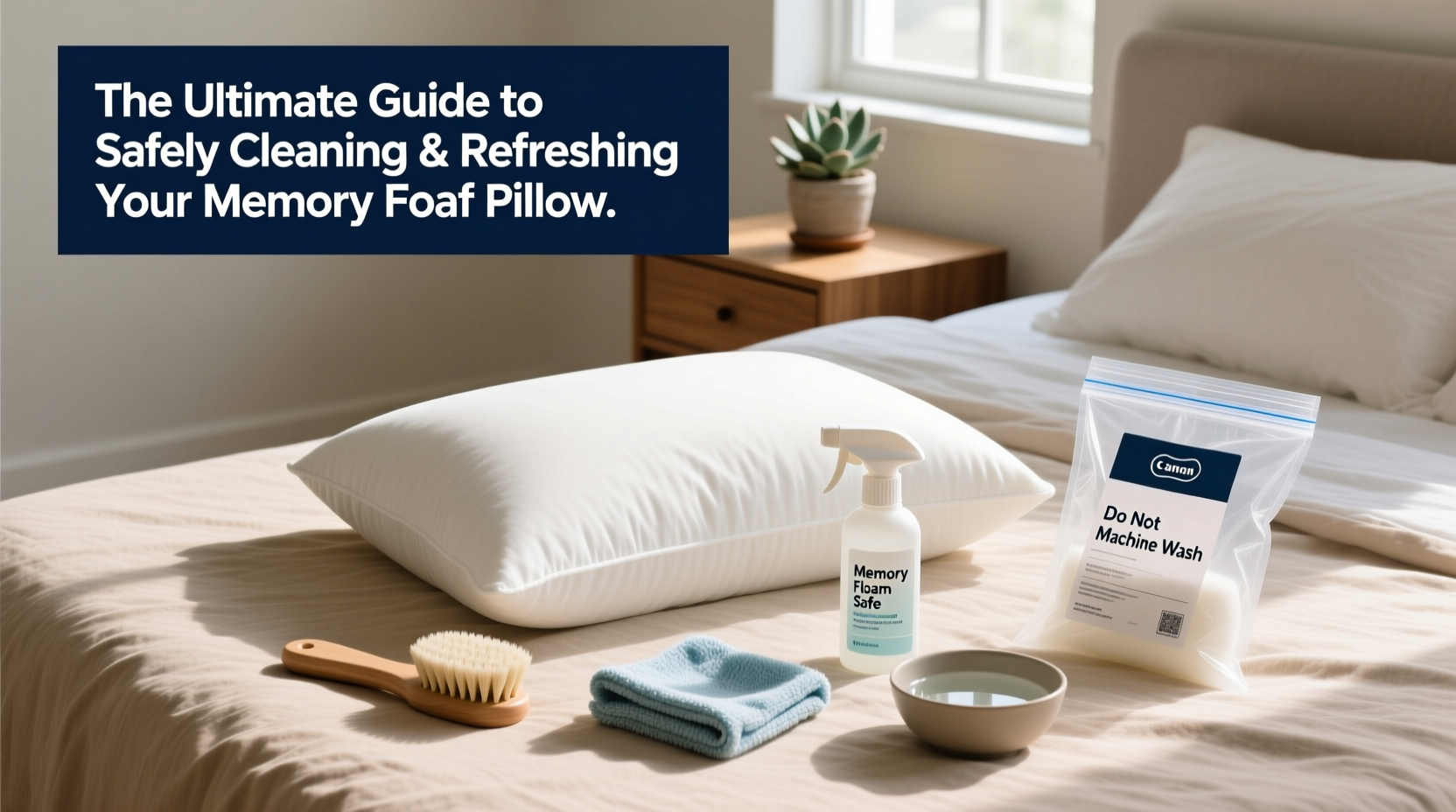
While memory foam resists dust mites better than down or polyester fill, it’s not immune to contamination. Nightly contact with hair products, facial oils, and saliva creates an environment where bacteria and mold can thrive—especially in humid climates. Over time, these contaminants break down the open-cell structure of the foam, reducing its resilience and support. A neglected pillow may also develop persistent odors, discoloration, and stiffness.
Regular maintenance isn’t just about cleanliness—it preserves performance. According to Dr. Lena Torres, a sleep product materials researcher at the National Sleep Foundation, “Proper care extends a memory foam pillow’s functional lifespan by up to 50%. Many users replace pillows prematurely due to odor or sagging that could have been prevented with gentle, consistent cleaning.”
“Proper care extends a memory foam pillow’s functional lifespan by up to 50%.” — Dr. Lena Torres, Sleep Product Materials Researcher
A Step-by-Step Guide to Deep Cleaning Your Memory Foam Pillow
Cleaning memory foam differs significantly from laundering cotton or synthetic pillows. Submerging it in water or using a washing machine can destroy its cellular integrity. Instead, follow this manual method designed to remove grime without damaging the material.
- Remove the cover and wash separately. Most memory foam pillows come with removable, machine-washable covers. Wash according to label instructions using mild detergent on a gentle cycle. Air dry or tumble dry low.
- Vacuum both sides of the foam. Use a soft brush attachment to lift surface dust, hair, and debris. Spend extra time along seams and edges where particles collect.
- Spot-clean stains with a gentle solution. Mix one part cold water with one part white vinegar and a few drops of mild dish soap. Dip a clean cloth into the mixture, wring thoroughly, and dab stained areas. Never soak the foam.
- Neutralize odors with baking soda. Sprinkle a thin, even layer of baking soda over the entire surface. Let sit for 30–60 minutes (longer for strong odors), then vacuum completely.
- Air-dry thoroughly before reassembling. Place the pillow in a well-ventilated area away from direct sunlight or heat sources. Flip every few hours. Allow 24 hours minimum for full drying to prevent mildew.
Do’s and Don’ts of Memory Foam Pillow Care
| Do | Don’t |
|---|---|
| Use a protective pillowcase or hypoallergenic cover | Put the foam in a washing machine or dryer |
| Clean every 3–6 months depending on use | Use bleach, ammonia, or harsh solvents |
| Rotate the pillow weekly to distribute wear | Expose to direct sunlight for extended periods |
| Spot-test cleaning solutions on hidden areas first | Allow spills or moisture to sit overnight |
| Store flat in a cool, dry place if unused | Fold or compress the pillow long-term |
Real Example: How Sarah Extended Her Pillow’s Life by Two Years
Sarah, a side sleeper from Portland, bought a premium memory foam pillow in 2020 expecting it to last three years. By 2022, however, it had developed a sour smell and lost its bounce. After reading manufacturer guidelines and consulting a bedding specialist, she began a bi-monthly maintenance routine: vacuuming, spot-cleaning with vinegar solution, and monthly baking soda treatment. She also started using a moisture-wicking bamboo cover. Within weeks, the odor disappeared and support improved. Now in 2024, her pillow remains firm and fresh—two years beyond typical replacement timelines. “I thought it was a lost cause,” she said. “But treating it like a piece of furniture you’d polish made all the difference.”
Refreshing Between Deep Cleanings: Simple Maintenance Tips
You don’t need to deep-clean your pillow every month. Light upkeep keeps it hygienic and delays intensive cleaning. Integrate these habits into your routine:
- Fluff and reshape the pillow daily to maintain loft and airflow.
- Wash your pillowcase weekly—this is your first line of defense.
- Leave the pillow uncovered for 2–3 hours after waking to let moisture evaporate.
- Use a UV-free fabric refresher spray monthly to neutralize bacteria.
- Rotate the pillow 180 degrees weekly to prevent uneven compression.
When to Replace Your Memory Foam Pillow
No amount of cleaning can revive a degraded foam core. Watch for these signs it’s time to retire your pillow:
- Visible sagging or lumps – The foam no longer rebounds within seconds after pressing.
- Persistent odor – Even after multiple cleanings, smells linger.
- Nighttime discomfort – You wake with neck pain or stiffness unrelated to posture.
- Age over 3 years – Most manufacturers recommend replacement after 2–3 years with regular use.
Extending a pillow’s life doesn’t mean keeping it indefinitely. Health and spinal alignment should always come first.
FAQ: Common Questions About Memory Foam Pillow Care
Can I use a steam cleaner on my memory foam pillow?
No. Steam introduces excessive moisture deep into the foam, which cannot escape easily. Trapped water encourages mold growth and accelerates breakdown. Stick to surface cleaning only.
Is it safe to use essential oils when cleaning?
In moderation, yes—but with caution. Add 2–3 drops of tea tree or lavender oil to your vinegar-water mix for antimicrobial benefits and light fragrance. Avoid direct application of undiluted oils, as they can degrade foam polymers over time.
How often should I clean my memory foam pillow?
Deep clean every 3 to 6 months, depending on usage. If you sleep hot, sweat heavily, or have allergies, aim for every 3 months. Light surface care (vacuuming, airing out) should be done monthly.
Final Checklist: Keep Your Memory Foam Pillow Fresh
- Strip off and wash the cover every 1–2 weeks
- Vacuum the foam monthly
- Spot-clean stains immediately with damp cloth and mild solution
- Deodorize with baking soda every 1–2 months
- Air out the pillow after waking
- Inspect for wear and support loss every 6 months
- Replace when flattened or chronically smelly
Conclusion: Make Care a Habit, Not a Chore
Your memory foam pillow plays a critical role in spinal alignment, comfort, and sleep quality. Treating it with consistent, gentle care ensures it performs optimally for years. The process isn’t complicated—just intentional. With minimal effort, you can prevent odors, preserve support, and avoid premature replacements. Start incorporating these practices today. Your neck—and your wallet—will thank you.




 浙公网安备
33010002000092号
浙公网安备
33010002000092号 浙B2-20120091-4
Comments
No comments yet. Why don't you start the discussion?