
Running is one of the most accessible forms of exercise, but choosing the wrong footwear can turn a healthy habit into a source of pain. Many runners experience discomfort, blisters, or even long-term injuries simply because their shoes don’t align with their foot structure. The key to avoiding these issues lies in understanding your foot type and selecting running shoes that support it. This guide breaks down everything from identifying your arch type to matching cushioning and stability features with your biomechanics.
Understanding Your Foot Arch Type
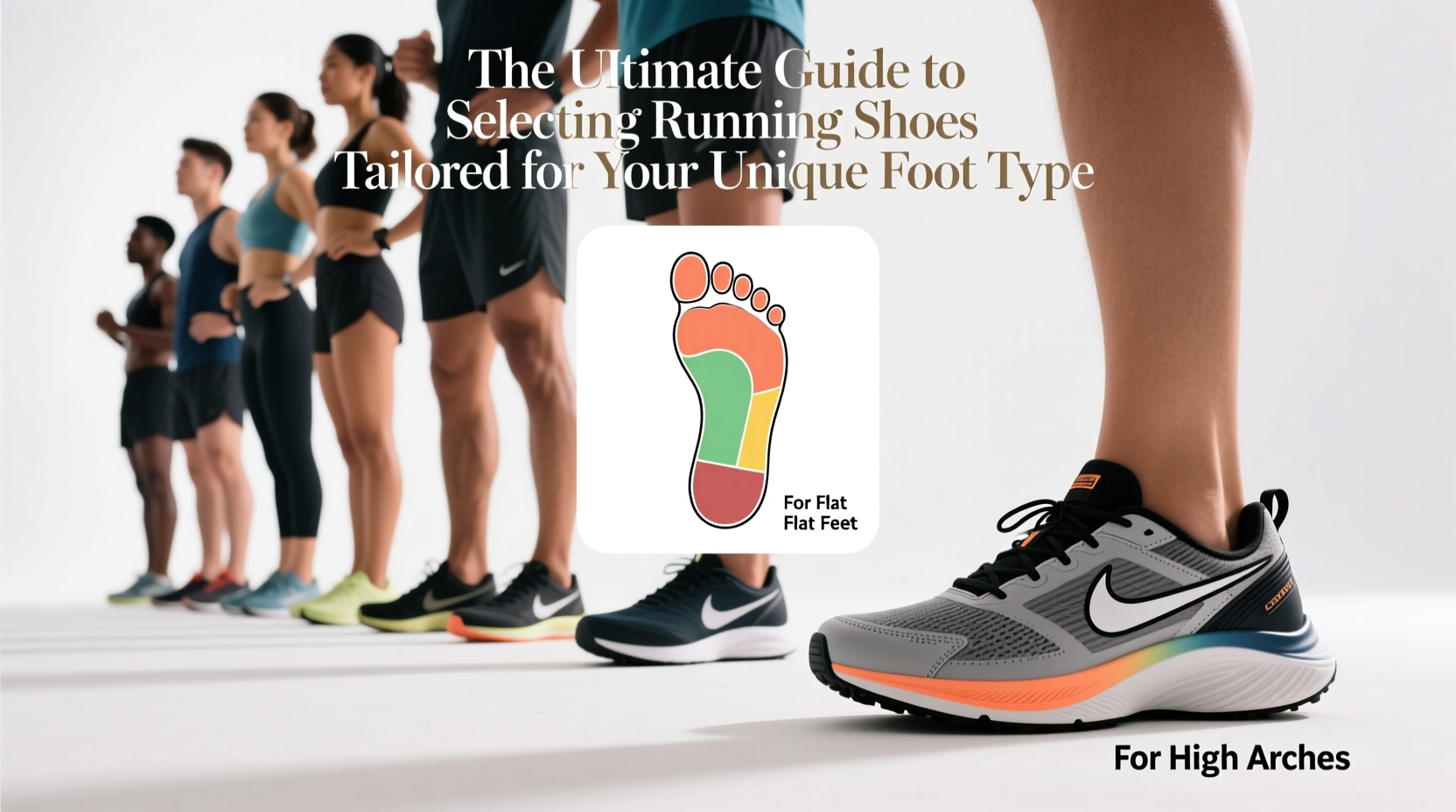
Your foot arch plays a crucial role in how your weight is distributed during each stride. There are three primary arch types: low (flat feet), neutral (medium arch), and high (rigid arch). Identifying yours is the first step toward finding the right shoe.
To determine your arch type, perform the “wet test.” Wet the sole of your foot and step onto a piece of cardboard or paper towel. Examine the imprint:
- Flat feet: Nearly the entire sole appears, with little to no inward curve on the inside.
- Neutral arch: A distinct curve along the inside, with about half of the midfoot visible.
- High arch: Only a thin strip connects the heel and forefoot, with a pronounced gap where the arch lifts off the ground.
Matching Shoes to Your Gait Pattern
Beyond arch height, your gait—how your foot rolls when you run—is essential. Overpronation, underpronation (supination), and neutral gait require different levels of support.
“About 70% of runners overpronate to some degree. Choosing a stability or motion-control shoe can prevent knee, hip, and back pain.” — Dr. Lena Torres, Sports Podiatrist
| Gait Type | Description | Recommended Shoe Type |
|---|---|---|
| Overpronation | Foot rolls inward excessively after heel strike | Stability or motion-control shoes with medial support |
| Supination (Underpronation) | Foot rolls outward, placing stress on the outer edge | Cushioned, flexible shoes with shock absorption |
| Neutral Gait | Foot rolls slightly inward in a balanced way | Neutral cushioned shoes with moderate flexibility |
If you're unsure about your gait, record a slow-motion video of yourself running on a treadmill from behind. Look for symmetry and foot alignment. Alternatively, ask a running coach or physical therapist for an evaluation.
Step-by-Step Guide to Finding Your Perfect Running Shoe
Selecting the ideal running shoe isn’t just about brand loyalty or aesthetics. Follow this methodical process to ensure optimal comfort and performance.
- Assess your foot at home or professionally. Use the wet test or schedule a gait analysis at a specialty running store.
- Determine your primary running surface. Road, trail, or track? Each demands different outsole durability and traction.
- Consider your mileage. High-mileage runners need durable cushioning and structured support; casual runners may prioritize lightweight comfort.
- Try shoes later in the day. Feet swell during activity, so shop in the evening when they’re at their largest.
- Test them with movement. Walk or jog around the store. Ensure there’s a thumb’s width between your longest toe and the shoe tip.
- Wear your typical running socks. Bring the socks you usually train in to avoid fit discrepancies.
- Avoid breaking them in on long runs. Start with shorter distances to assess comfort and prevent injury.
Real Runner Example: From Pain to Performance
Sarah, a 34-year-old recreational runner, began experiencing sharp pain along her left shin after increasing her weekly mileage. She assumed she needed more cushioning and bought a plush, neutral shoe. Instead, her pain worsened. After visiting a sports clinic, she learned she had mild overpronation due to flat feet. Her new stability shoe, designed with medial post support, corrected her foot alignment. Within two weeks, her shin splints subsided, and her running efficiency improved.
Sarah’s story highlights a common mistake: assuming all runners benefit from maximum cushioning. In reality, structural support often matters more than softness.
Key Features to Evaluate in Running Shoes
Once you’ve identified your foot type and gait, focus on specific shoe components that enhance performance and reduce injury risk.
- Midsole: Made of EVA foam or newer compounds like PWRRUN or Boost, it provides cushioning and responsiveness. Firmer midsoles suit overpronators; softer ones help supinators absorb impact.
- Heel counter: The rigid cup at the back should snugly hold the heel without slipping. A weak heel counter leads to instability.
- Toe box: Should allow toes to splay naturally. Narrow boxes cause black toenails or neuromas, especially on downhill runs.
- Upper material: Breathable mesh prevents overheating. Seamless designs reduce friction and blister risk.
- Drop (heel-to-toe offset): Ranges from 0mm (zero drop) to 12mm. Lower drops encourage a forefoot strike; higher drops suit heel strikers, especially beginners.
Checklist: Before You Buy Your Next Running Shoe
Use this checklist to ensure you make a smart, informed decision:
- ✅ Identified my arch type (flat, neutral, high)
- ✅ Determined my gait pattern (overpronation, supination, neutral)
- ✅ Measured both feet (sizes can differ)
- ✅ Tried shoes with running socks and insoles I plan to use
- ✅ Tested shoes by jogging indoors
- ✅ Confirmed adequate toe space (thumb-width clearance)
- ✅ Checked heel lockdown and midfoot snugness
- ✅ Verified compatibility with my running terrain (road, trail, etc.)
- ✅ Compared drop to my natural stride
- ✅ Read professional reviews or sought expert advice if unsure
Frequently Asked Questions
Can I use the same running shoes for racing and training?
It’s not recommended. Racing shoes are typically lighter with less cushioning, designed for speed over short durations. Using them daily reduces their lifespan and increases injury risk due to minimal protection. Stick to durable training shoes for regular runs.
Do expensive running shoes guarantee better performance?
Not necessarily. While premium models often feature advanced materials and engineering, the best shoe is the one that fits your foot and gait—not the one with the highest price tag. Many mid-range models offer excellent support and durability for average runners.
Should I size up in running shoes?
Yes, slightly. Feet expand during runs, especially in heat or on long distances. Aim for a thumb’s width (about ½ inch) between your longest toe and the shoe’s end. Some brands run narrow, so check width options if you have wide feet.
Final Thoughts: Invest in Your Foundation
Your running shoes are more than gear—they’re an investment in your health and performance. Just as a house needs a strong foundation, your body relies on proper foot support to move efficiently and safely. Taking the time to understand your foot type, gait mechanics, and shoe features pays dividends in comfort, endurance, and injury prevention.
Don’t guess. Measure, test, and listen to your body. Whether you're starting your first 5K or training for a marathon, the right shoe can transform your experience from painful to powerful.




 浙公网安备
33010002000092号
浙公网安备
33010002000092号 浙B2-20120091-4
Comments
No comments yet. Why don't you start the discussion?