
Choosing the right blanket for a child between the ages of 3 and 6 isn’t just about warmth—it’s about comfort, safety, and supporting healthy sleep habits. At this stage, children are transitioning from toddlerhood to early childhood, often moving into bigger beds or starting preschool naps. The wrong blanket can be too bulky, too small, or even pose safety risks. Understanding the ideal dimensions, materials, and design features ensures your child stays cozy without compromising on safety or long-term usability.
Why Blanket Size Matters for Young Children
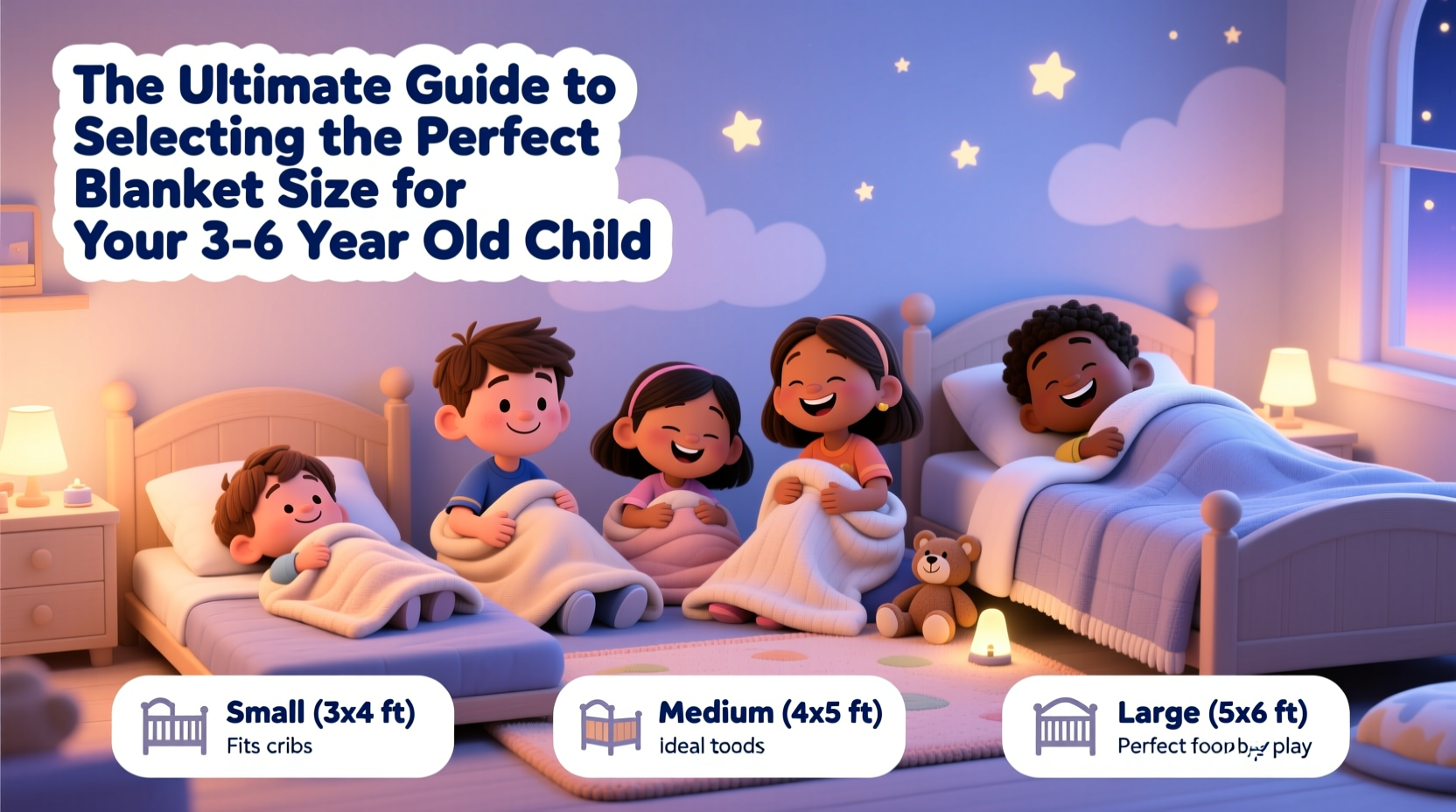
A properly sized blanket supports both physical comfort and emotional well-being. Children at this age seek familiarity and security during sleep, and a well-fitting blanket contributes significantly to that sense of safety. Too large a blanket may bunch up, increasing the risk of overheating or entanglement, while one that's too small won't provide adequate coverage as they move during sleep.
Additionally, developmental changes affect how children interact with bedding. A 3-year-old might still curl up tightly, whereas a 6-year-old is more likely to stretch out fully. This shift means that what worked last year may no longer be appropriate.
Standard Blanket Sizes and How They Fit Growing Kids
While adult bedding follows predictable standards (twin, full, queen), children’s blankets vary widely in labeling and sizing. Many products are marketed as “kids’ size” without clear dimensions, making informed selection difficult. Below is a comparison of common blanket sizes and their suitability for 3–6 year olds.
| Blanket Type | Typical Dimensions (inches) | Suitable for Age 3? | Suitable for Age 6? | Notes |
|---|---|---|---|---|
| Toddler Blanket | 30 x 40 | ✔️ Yes | ❌ No – too short | Ideal for cribs or nap mats; outgrown quickly. |
| Kid’s Throw | 45 x 60 | ✔️ Snug fit | ✔️ Yes | Versatile for couches and beds; check weight. |
| Twin Bed Duvet | 68 x 86 | ⚠️ Oversized | ✔️ Yes – best long-term option | May require tucking; ideal if staying in twin bed. |
| Custom Kids' Size | 48 x 70 | ✔️ Yes | ✔️ Yes | Designed specifically for growing children. |
The sweet spot for most children aged 3–6 lies between 45 and 50 inches in width and 60 to 70 inches in length. This range accommodates average heights (ranging from ~36 inches at age 3 to ~48 inches at age 6) while allowing room for movement and growth.
Material and Weight: Balancing Warmth and Safety
Size isn’t the only factor—material and weight play critical roles in comfort and safety. Young children regulate body temperature less efficiently than adults, so overly heavy or non-breathable fabrics can lead to night sweats or discomfort.
Cotton, bamboo, and microfiber blends are excellent choices due to their breathability and softness. Avoid thick wool or down-filled blankets unless used under supervision in colder climates. For allergy-prone children, hypoallergenic fills like polyester batting offer warmth without irritation.
“Lightweight, breathable layers are safer and more effective than one heavy blanket. Children should never be over-bundled.” — Dr. Lena Patel, Pediatric Sleep Specialist
Consider seasonal needs: lighter weights (1.5–2.5 lbs per square yard) work year-round in temperate zones, while slightly heavier options (3–4 lbs) suit winter months. Layering with pajamas or a light sleeping bag-style wearable blanket adds flexibility without bulk.
Step-by-Step Guide to Choosing the Right Blanket
Selecting the ideal blanket doesn’t have to be overwhelming. Follow these steps to make an informed decision tailored to your child’s needs:
- Measure your child. Have them lie down and measure from shoulders to toes. Add 6–8 inches for foot coverage and movement.
- Assess the sleep environment. Is your child using a crib, toddler bed, daybed, or twin mattress? Match the blanket to the bed size when possible.
- Check for safety features. Ensure there are no loose threads, buttons, or embellishments that could pose choking hazards. Knit or woven edges reduce fraying.
- Involve your child in selection. Letting them pick colors or patterns increases attachment and cooperation at bedtime.
- Test before committing. If buying online, look for return policies. Try the blanket for a few nights to assess comfort and fit.
Real-Life Example: The Martinez Family’s Blanket Transition
The Martinez family noticed their daughter Sofia, then 4, had started kicking off her toddler blanket every night. She was nearly 42 inches tall and beginning to sleep in a twin bed after transitioning from a crib. Her old 30x40-inch blanket barely covered her feet.
They tried a standard adult throw (50x60 inches), which improved coverage but slipped off easily. After measuring Sofia and consulting a pediatric sleep chart, they opted for a 48x70-inch organic cotton blanket designed for older toddlers and young kids. It stayed on better, allowed room to grow, and matched her new bed size. Within a week, her nighttime awakenings decreased, and she reported feeling “cozy like a big kid.”
Essential Checklist Before You Buy
- ✅ Measured child’s height and added 6–8 inches for length
- ✅ Confirmed bed type (crib, toddler bed, twin)
- ✅ Chosen breathable, washable fabric (e.g., cotton, bamboo)
- ✅ Checked for safe construction (no small parts, secure stitching)
- ✅ Considered ease of washing (machine-washable preferred)
- ✅ Selected appropriate weight for climate
- ✅ Allowed child to choose color/pattern if possible
Frequently Asked Questions
Can I use a twin-sized blanket for a 3-year-old?
Yes, but with caution. A twin-sized blanket (68x86 inches) is significantly larger than a toddler’s body. While it will cover well, excess fabric can bunch up or cover the face unintentionally. Tuck it securely around the sides or opt for a fitted blanket design to minimize risk.
How many blankets does my child need?
One primary blanket suited to the season is sufficient. Additional layers should come from pajamas or a sleep sack rather than stacking multiple heavy blankets, which increases overheating risk. Rotate two washable options to maintain cleanliness without disruption.
Are weighted blankets safe for 3–6 year olds?
Weighted blankets can be safe if used correctly, but they are not recommended for children under 3 or those with respiratory issues. For ages 4–6, choose one weighing approximately 10% of the child’s body weight plus one pound. Always supervise initial use and ensure the child can remove it independently.
Final Thoughts: Comfort That Grows With Them
Selecting the perfect blanket for a 3–6 year old balances immediate comfort with forward-thinking practicality. A size that fits today but allows room to grow reduces frequent replacements. Prioritizing breathable materials and safe designs supports uninterrupted, restful sleep—a foundation for emotional regulation, learning, and overall health.
By taking measurements seriously, understanding developmental stages, and involving your child in the process, you create a bedtime experience that feels personal and secure. The right blanket isn’t just bedding—it becomes a trusted companion through years of imagination, dreams, and quiet moments.




 浙公网安备
33010002000092号
浙公网安备
33010002000092号 浙B2-20120091-4
Comments
No comments yet. Why don't you start the discussion?