
Your Chromebook is more than just a tool for work or school—it’s an extension of your personality. One of the simplest yet most effective ways to personalize it is by customizing your wallpaper. While ChromeOS keeps things minimal, that doesn’t mean you’re stuck with generic backgrounds. With the right approach, you can set dynamic, inspiring, or functional wallpapers that reflect your taste and improve your digital experience.
This guide walks you through every aspect of changing and enhancing your Chromebook wallpaper—from basic setup to advanced customization using third-party tools and automation. Whether you're a student, professional, or casual user, these techniques will help you make your device uniquely yours.
How to Change Your Wallpaper: The Basics
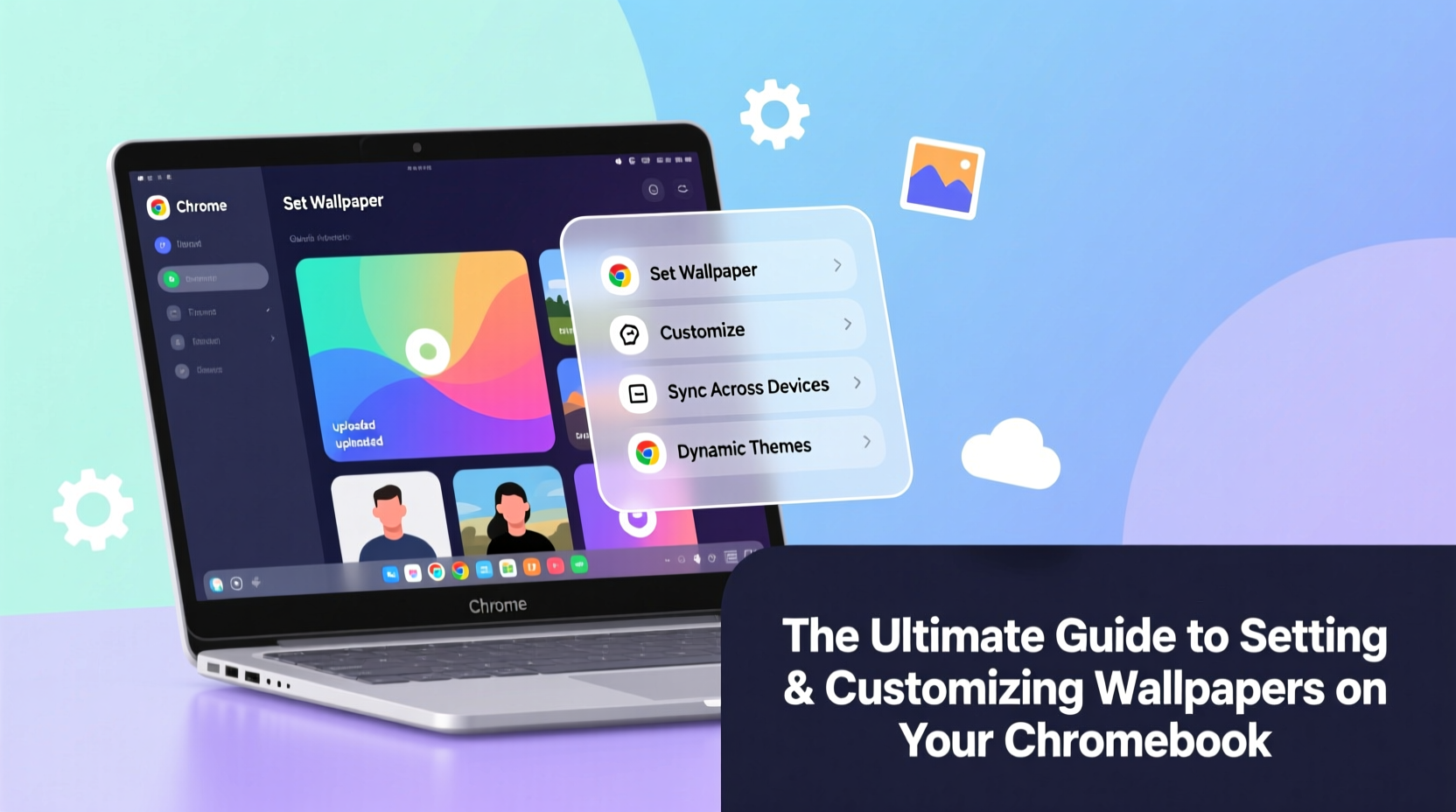
Changing your wallpaper on a Chromebook is straightforward and built directly into the system settings. Unlike other operating systems that bury options in submenus, ChromeOS makes this accessible within seconds.
- Click on the system tray (bottom-right corner) to open Quick Settings.
- Select your profile icon, then choose “Settings.”
- Navigate to Personalization > Wallpaper & style.
- You’ll see a gallery of default Google-curated images. Click any to apply instantly.
- To use a custom image, click “Add from files” and select a photo stored locally or in Google Drive.
The selected image will stretch or center based on ChromeOS’s automatic scaling. You can toggle between fit options like “Fit to screen,” “Center,” “Stretch,” or “Tile” depending on the image dimensions and your preference.
Choosing the Right Wallpaper for Your Workflow
A great wallpaper isn’t just visually appealing—it supports how you use your device. Consider your daily tasks when selecting a background:
- Minimalist users: Choose soft gradients or neutral tones to reduce visual clutter and keep focus on apps.
- Creatives: Rotate vibrant, artistic images to spark inspiration during design or writing sessions.
- Students and professionals: Use subtle patterns or motivational quotes that encourage productivity without distraction.
Wallpapers with high contrast or bright colors may look striking but can strain your eyes over time. Opt for darker themes if you frequently work in low-light environments. Dark mode combined with a black or deep navy wallpaper also helps conserve battery life on OLED-equipped Chromebooks.
“Your desktop environment should enhance, not interrupt, your workflow. A well-chosen wallpaper acts as a calm backdrop, not a constant distraction.” — Lena Torres, UX Design Consultant
Advanced Customization Using Extensions and Apps
While ChromeOS limits native wallpaper features, you can expand functionality using trusted web apps and browser extensions. These tools allow dynamic updates, scheduling, and even animated backgrounds.
Popular choices include:
- Wallpaper Engine (via Android app): If your Chromebook supports Android apps, install Wallpaper Engine from the Play Store for animated and interactive wallpapers.
- Backdrops – Wallpaper Changer: A lightweight Chrome extension that pulls curated images from Unsplash and allows scheduled rotation.
- Dynamic Theme: Syncs your wallpaper with the time of day—brighter images in the morning, cooler tones at night.
To install these:
- Open the Chrome Web Store or Google Play Store.
- Search for the desired wallpaper app or extension.
- Install and follow the setup prompts.
- Grant necessary permissions and configure preferences.
Note: Some extensions only change the browser background, not the login or shelf area. For full-system impact, stick to images applied through the native settings menu whenever possible.
Managing Multiple Wallpapers with Automation
If you enjoy variety, manually switching wallpapers daily isn’t practical. Automating changes ensures freshness without effort. Here’s how to set up a rotating wallpaper system:
Step-by-Step: Create a Rotating Wallpaper System
- Create a dedicated folder called “Wallpapers” in your Files app or Google Drive.
- Add 5–10 high-quality images you’d like to rotate.
- Install a reliable auto-changer extension like “Auto Change Wallpaper” from the Chrome Web Store.
- Configure it to pull images from your designated folder. <5>Set the interval—every hour, daily, or weekly.
- Enable startup launch so the rotation continues after reboot.
Do’s and Don’ts of Chromebook Wallpapers
| Do’s | Don’ts |
|---|---|
| Use high-resolution images (1920x1080 or higher) | Use blurry or stretched photos that degrade visual quality |
| Choose calming colors for long work sessions | Select overly bright or flashing animations that cause eye fatigue |
| Leverage folders to organize personal and professional themes | Store too many large images locally, which can consume limited storage |
| Sync with cloud storage for easy access across devices | Download wallpaper apps from unverified sources that may contain malware |
Real Example: How a Teacher Personalized Her Classroom Chromebook
Sarah, a middle school science teacher in Portland, uses her Chromebook daily for lesson planning and student presentations. Initially frustrated by the bland default wallpaper, she decided to customize it to match her teaching style.
She created a folder of nature-themed images—forests, galaxies, and molecular diagrams—and used the Backdrops extension to rotate them weekly. She also set a calming blue gradient as her login screen background to start each day mindfully.
“It might sound small, but seeing something beautiful when I open my laptop sets a positive tone,” Sarah said. “My students even comment on the cool space photos during remote classes.”
By aligning her wallpaper choices with her subject and mood goals, Sarah turned a routine device into a source of daily inspiration.
Frequently Asked Questions
Can I use live or animated wallpapers on my Chromebook?
Yes, but only through supported Android apps like Wallpaper Engine or certain Chrome extensions. Native ChromeOS does not support live wallpapers, and performance may vary depending on your device’s hardware.
Why does my custom wallpaper look blurry?
This usually happens when the image resolution is too low for your screen size. Chromebooks typically have HD or Full HD displays, so use images of at least 1280x720 (HD) or preferably 1920x1080 (Full HD) for clarity.
Will changing my wallpaper affect my Chromebook’s performance?
No. Static wallpapers have no impact on speed or battery. However, animated or video wallpapers via Android apps may increase CPU usage and reduce battery life slightly, especially on older models.
Conclusion: Make Your Chromebook Truly Yours
Customizing your Chromebook wallpaper is a simple act with outsized benefits. It transforms a standardized device into a personalized workspace that reflects who you are and how you work. From selecting the perfect image to automating seasonal rotations, each step adds a layer of intentionality to your digital life.
You don’t need technical expertise—just a few minutes and a sense of what inspires you. Start today by replacing the default background with something meaningful. Explore new tools, organize your favorites, and let your screen become a canvas for creativity and focus.




 浙公网安备
33010002000092号
浙公网安备
33010002000092号 浙B2-20120091-4
Comments
No comments yet. Why don't you start the discussion?