
For budget-conscious consumers, TJ Maxx and Target represent two of the most popular destinations for affordable shopping. One is known for its off-price model with rotating designer finds; the other for its curated in-house brands and everyday value. But when it comes to maximizing savings without sacrificing quality, where should savvy shoppers actually focus their time and money? The answer isn’t always straightforward—and depends heavily on what you're buying, how often you shop, and your personal approach to deal hunting.
This article breaks down the real differences between TJ Maxx and Target, compares pricing and product quality across key categories, and equips you with actionable strategies to make smarter purchasing decisions—no matter which store you prefer.
Understanding the Business Models
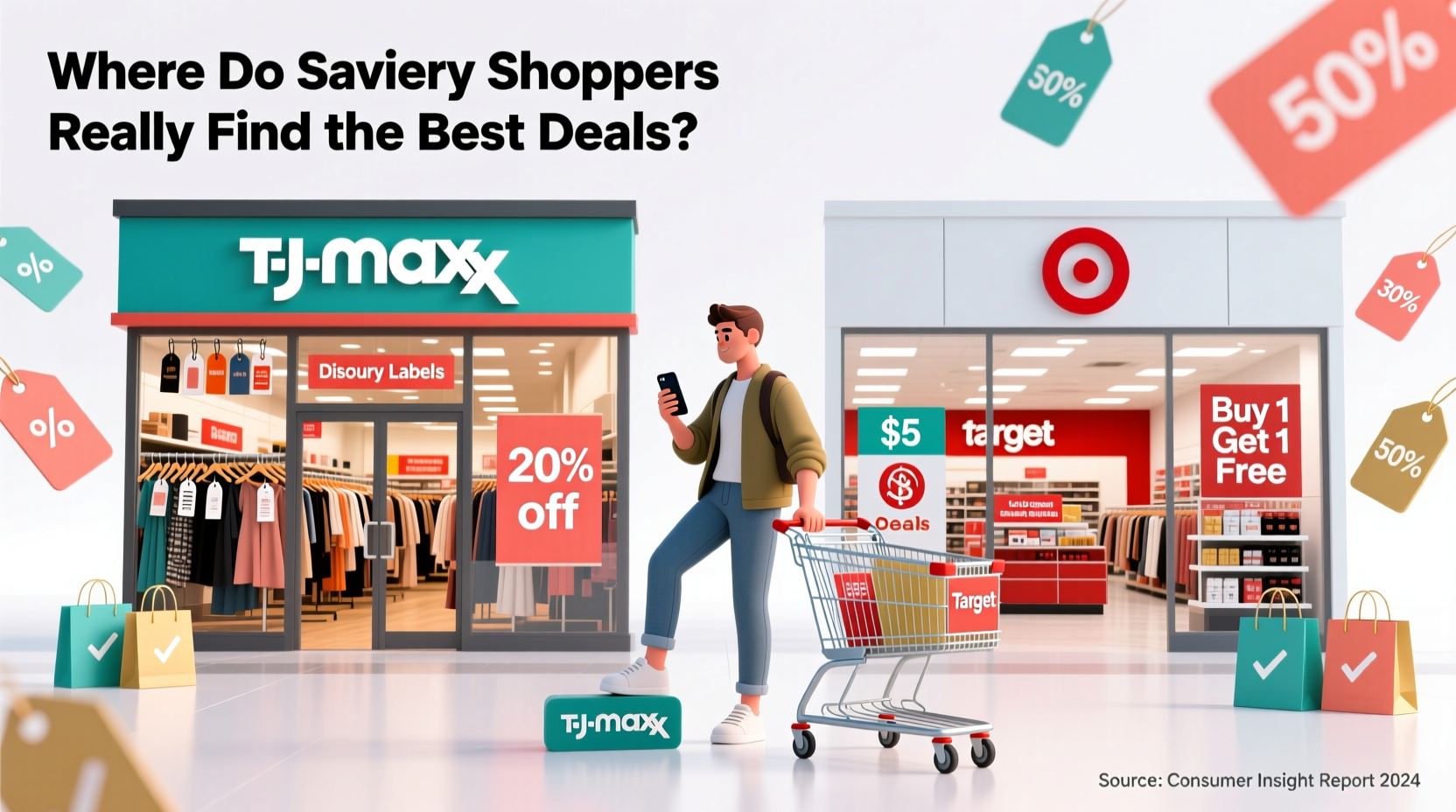
The fundamental difference between TJ Maxx and Target lies in how they source and price merchandise. Understanding these models is crucial to knowing where better deals truly exist.
TJ Maxx operates on an off-price retail model. It buys excess inventory, closeouts, and overruns from department stores and luxury brands at deep discounts. This means items are authentic but may not be part of a brand’s current season lineup. Because inventory is inconsistent and constantly changing, finding specific sizes or colors can be hit-or-miss—but the potential for high-value bargains is significant.
Target, on the other hand, functions as a mass-market retailer. It develops long-term relationships with suppliers and invests heavily in private-label brands like Threshold, Wild Fable, and Good & Gather. While not focused on liquidation goods, Target leverages scale to offer competitive pricing, frequent promotions, and predictable availability.
“Off-price retailers like TJ Maxx thrive on scarcity and surprise. Target wins on reliability and convenience.” — Dana Schoen, Retail Analyst at Cowen & Company
Price and Value Comparison by Category
To determine where shoppers get more bang for their buck, we analyzed common purchase categories based on average prices, quality consistency, and overall value.
| Category | TJ Maxx Average Price | Target Average Price | Value Verdict |
|---|---|---|---|
| Women’s Blouse (brand-name equivalent) | $19.99–$34.99 | $14.99–$22.99 (WF/Universal Thread) | TJ Maxx wins on brand premium; Target on consistency |
| Bedding Set (Queen, 100% cotton) | $39.99–$59.99 (Calvin Klein, Martha Stewart) | $29.99–$39.99 (Threshold) | Target offers better everyday value |
| Kitchen Small Appliance (e.g., air fryer) | $49.99–$79.99 (Ninja, Cuisinart) | $59.99–$69.99 (Ninja) | TJ Maxx occasionally undercuts |
| Children’s Clothing (size 5–6) | $8.99–$14.99 (Carter’s, OshKosh) | $5.99–$9.99 (Cat & Jack) | Target dominates on price and selection |
| Beauty Products (prestige skincare) | $12.99–$24.99 (Origins, Kiehl’s) | $14.99–$29.99 (exclusive formulas) | TJ Maxx wins on brand authenticity |
As the table shows, neither store consistently outperforms the other across all categories. TJ Maxx excels when you’re after name-brand prestige at a discount, especially in apparel and beauty. Target shines in private-label quality, particularly in home goods and children’s products, where design and durability are reliably high.
Shopping Strategies That Maximize Savings
Smart shopping isn’t just about which store you choose—it’s how you navigate it. Here are proven tactics for extracting maximum value at each retailer.
At TJ Maxx
- Shop mid-week: New shipments typically arrive Tuesday–Thursday, so avoid weekend crowds and stale stock.
- Check labels carefully: Some “designer” items are made specifically for TJX with lower-quality materials.
- Know your brands: Familiarize yourself with typical retail prices so you can spot true markdowns.
- Visit multiple locations: Inventory varies widely even within the same city.
At Target
- Use the Circle app: Weekly deals, digital coupons, and 5% back through Target RedCard stack for serious savings.
- Time your purchases: Seasonal clearance happens predictably—home goods in January, clothing in March and September.
- Leverage same-day delivery: With Shipt or Drive Up, you can skip impulse buys while still getting fast access.
- Compare unit prices: Store brands often cost less per ounce or square foot than national ones.
Real-World Example: Outfitting a Nursery on a Budget
Sarah, a first-time mom from Columbus, Ohio, had a $500 budget to set up her baby’s nursery. She initially planned to buy everything at Target for convenience. After researching online forums and visiting her local TJ Maxx, she adjusted her strategy.
She purchased a high-end stroller travel bag ($89.99, originally $160) and organic cotton swaddle set ($14.99) at TJ Maxx—items she recognized from Nordstrom Rack. At Target, she bought a convertible crib (on 20% off promotion), Cat & Jack sleepers (priced at $6.99 each), and a Threshold nightlight diffuser.
By combining both stores strategically, Sarah spent $472 and received higher-end accessories without compromising essentials. “I didn’t want to sacrifice safety or comfort,” she said, “but I also didn’t want to overpay for branding. Mixing both stores gave me the best of both worlds.”
Action Checklist: Optimize Your Shopping Approach
Follow this checklist to ensure you're making the most informed and economical choices:
- Determine whether you need a specific item or are open to discovery shopping.
- Research typical retail prices for desired brands or categories.
- Check both TJ Maxx and Target websites for inventory (use “Find in Store” features).
- Download and activate Target Circle for exclusive digital coupons.
- Inspect fabric content, stitching, and care labels before purchasing at TJ Maxx.
- Wait 24 hours before buying non-essential items to avoid impulse decisions.
- Track spending by category to identify where each store delivers better ROI.
Frequently Asked Questions
Can I return items easily at both stores?
Yes, but policies differ. Target allows returns within 90 days with receipt (or linked account). TJ Maxx has a 30-day return window with receipt, and final sale items are non-returnable. Some states allow exchanges only after day 30.
Is TJ Maxx really cheaper than department stores?
Generally, yes—especially on branded goods. However, many items are irregulars or past-season styles. The discount reflects that timing, not always superior value. Compare actual quality before assuming a bargain.
Does Target ever carry the same brands as TJ Maxx?
Rarely. Target focuses on exclusives and partnerships (e.g., Ulta Beauty at Target, Disney collaborations). You won’t find Calvin Klein sheets or Clinique makeup at Target, but you will find comparable performance at lower prices.
Final Verdict: Where Savvy Shoppers Win
The truth is, the best deals aren’t found exclusively at TJ Maxx or Target—they’re found by shoppers who understand how to use both stores to their advantage. TJ Maxx rewards patience, brand knowledge, and flexibility. Target rewards planning, loyalty engagement, and preference for consistency.
If you're looking for designer fashion, premium beauty, or unexpected luxury steals, TJ Maxx remains unmatched in accessibility and thrill-of-the-hunt appeal. But if you prioritize reliability, family-friendly pricing, and seamless digital integration, Target continues to lead in modern retail convenience.
The most effective strategy? Don’t choose one. Use both—strategically, selectively, and with intention.




 浙公网安备
33010002000092号
浙公网安备
33010002000092号 浙B2-20120091-4
Comments
No comments yet. Why don't you start the discussion?