
Crafting your own cartoon flower keychains isn’t just a fun creative outlet—it’s a way to personalize everyday accessories with whimsy and durability. Whether you're making them as gifts, selling at craft fairs, or simply adding flair to your keys, these cheerful little charms can be both adorable and resilient if made correctly. This guide walks through every step, from material selection to sealing techniques, ensuring your creations stay vibrant and intact through daily use.
Why Handmade Cartoon Flower Keychains Stand Out
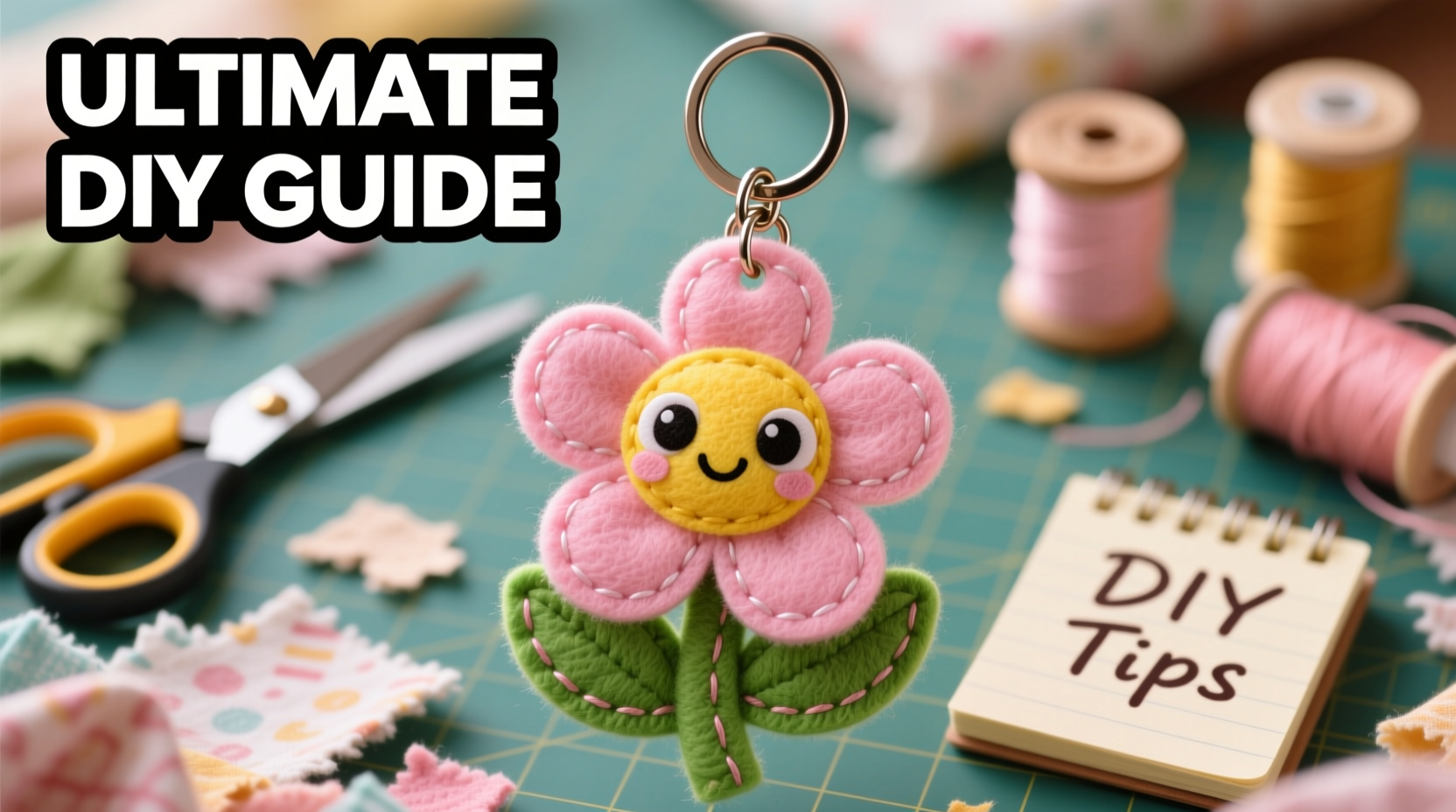
Mass-produced keychains often lack personality. In contrast, handmade cartoon flower designs offer customization, emotional value, and artistic expression. With bold colors, exaggerated petals, and expressive faces, these mini floral characters bring joy while serving a practical purpose. More importantly, when crafted with care, they can withstand the wear and tear of being clipped to bags, keys, or zippers.
The secret lies in balancing cuteness with structural integrity. A floppy, poorly sealed polymer clay petal may crack after a week. But a properly cured, UV-protected piece can last years. The following sections break down how to achieve that balance—without expensive tools or advanced skills.
Materials You’ll Need: Smart Choices for Longevity
Selecting the right supplies is half the battle. Many beginners choose materials based on appearance alone, only to find their creations fading, peeling, or breaking within weeks. Use this checklist to build a reliable toolkit:
- Polymer clay (pre-colored or white for custom mixing)
- Clay conditioning machine or rolling pin
- Small sculpting tools (needle, blade, ball stylus)
- Oven-safe baking surface (ceramic tile or glass)
- Sandpaper (600–1000 grit)
- Acrylic paints (optional, for fine details)
- Clear sealant (UV-resistant varnish or liquid polymer)
- Keyring hardware (stainless steel or nickel-free alloy)
- Glue (E6000 or epoxy for strong adhesion)
Choosing the Right Polymer Clay
Not all polymer clays are equal. For small, detailed pieces like cartoon flowers, flexibility and fine detail retention matter most. Consider these top options:
| Clay Type | Best For | Durability After Baking | Notes |
|---|---|---|---|
| FIMO Professional | Intricate details, facial features | High – slightly rigid | Excellent color range; requires thorough conditioning |
| Sculpey III | Beginners, soft petals | Medium – more prone to chipping | Easy to work with but brittle; seal well |
| Kato Polyclay | Durable, professional-grade items | Very high – impact resistant | Longer cure time; ideal for saleable crafts |
| Super Sculpey | Larger components, stems | Medium-high | Slightly translucent; good for layered effects |
“Polymer clay isn’t just for ornaments. When baked and sealed correctly, it becomes a tough, lightweight material perfect for wearable and functional art.” — Lila Chen, Craft Materials Scientist
Step-by-Step Guide to Crafting Your Keychain
Follow this timeline to create a cartoon flower keychain from start to finish. Total time: approximately 2.5 hours (including curing and drying).
- Design Concept (15 min): Sketch your flower idea—think big eyes, smiling centers, wavy petals. Decide on size (ideal diameter: 1.5 to 2 inches).
- Condition & Shape Petals (20 min): Roll clay until pliable. Cut teardrop-shaped petals using a blade. Gently curve them over a spoon for dimension.
- Create Center (10 min): Form a small ball for the face base. Use a needle tool to carve eyes and mouth. Add tiny clay dots for cheeks.
- Assemble Flower (10 min): Attach 5–6 petals around the center. Press gently to secure. Let seams blend naturally.
- Bake According to Instructions (30 min + cooling): Place on ceramic tile. Bake at manufacturer’s temperature (usually 275°F / 135°C) for 15–30 minutes depending on thickness.
- Sanding (15 min): Once cooled, lightly sand edges and surfaces with 600+ grit paper to smooth imperfections.
- Paint Details (Optional, 20 min): Use acrylics for eyelashes, stamens, or blush. Allow full drying (at least 30 minutes).
- Seal Thoroughly (45 min drying): Apply 2–3 thin coats of UV-resistant varnish, drying between layers. This prevents fading and adds scratch resistance.
- Attach Hardware (5 min): Glue a jump ring to the top using E6000. Clamp briefly. Cure 24 hours before use.
Avoid These Common Mistakes
Even experienced crafters make errors that compromise durability. Watch out for these pitfalls:
- Under-baking: Rushing the oven time leads to brittleness. Always follow package instructions and use an oven thermometer.
- Thick sections without support: Large clay areas may not cure evenly inside. Use aluminum foil cores for flowers larger than 2 inches.
- Skipping sanding: Rough edges catch on fabric and weaken over time. Light sanding improves both look and longevity.
- Using non-UV sealants: Regular clear nail polish yellows in sunlight. Opt for archival-quality, non-yellowing varnishes.
- Weak glue choices: Craft glue like white PVA fails under stress. E6000 or two-part epoxy ensures lasting hardware attachment.
Real Example: From Craft Fair Flop to Bestseller
Jessica, a hobbyist crafter in Portland, initially sold cartoon flower keychains made with Sculpey III and basic sealant. Within weeks, customers reported chipped petals and faded colors. She switched to Kato Polyclay, added proper baking times, and began using PYM II Varnish—a conservation-grade product. Her return rate dropped to zero, and she now runs a successful Etsy shop with over 500 five-star reviews. “The difference wasn’t talent,” she says. “It was treating each piece like something that had to survive real life.”
FAQ: Quick Answers to Top Questions
Can I make these without an oven?
No oven-safe polymer clay requires baking to fully harden. Air-dry clays exist but are less durable and more prone to cracking. If you lack an oven, consider resin molding instead—but ensure proper ventilation and safety gear.
How do I make the flowers more cartoon-like?
Exaggerate features: oversized centers, mismatched petals, googly eyes, or blushing cheeks. Use contrasting colors boldly—think pink stems on yellow flowers or polka-dotted leaves. Personality sells.
Are these safe for kids to use?
Yes, once fully cured and sealed. Avoid small detachable parts if intended for young children. Use non-toxic paints and ensure all edges are smooth. Test hardware for sharpness before distribution.
Final Checklist Before You Start
Run through this quick preparation list before diving into your next batch:
- ✅ Oven calibrated with thermometer
- ✅ Clay fully conditioned and free of air bubbles
- ✅ Work surface clean and dust-free
- ✅ All tools sanitized and ready
- ✅ Jump rings and keyrings pre-inspected for rust or weak links
- ✅ Sealant fresh (not dried in the bottle)
- ✅ Workspace ventilated, especially when gluing or sealing
Bring Joy That Lasts
Cute doesn’t have to mean fragile. With thoughtful material choices, precise technique, and attention to finishing details, your cartoon flower keychains can be both delightful and durable. They become more than trinkets—they’re tiny bursts of happiness clipped to everyday moments. Whether tucked into a gift, sold at a market, or kept for yourself, each one carries the pride of handmade craftsmanship.




 浙公网安备
33010002000092号
浙公网安备
33010002000092号 浙B2-20120091-4
Comments
No comments yet. Why don't you start the discussion?