
Cats are naturally curious, agile, and inquisitive animals. While their exploratory instincts make them delightful companions, they also expose them to potential dangers within the home. From toxic houseplants to dangling cords, everyday household items can pose serious risks. Cat proofing isn’t just about protecting your belongings—it’s about ensuring your feline friend lives a long, healthy, and joyful life. This comprehensive guide walks you through actionable strategies to eliminate hazards, enrich your cat’s environment, and foster a harmonious home.
Identify and Eliminate Common Household Hazards
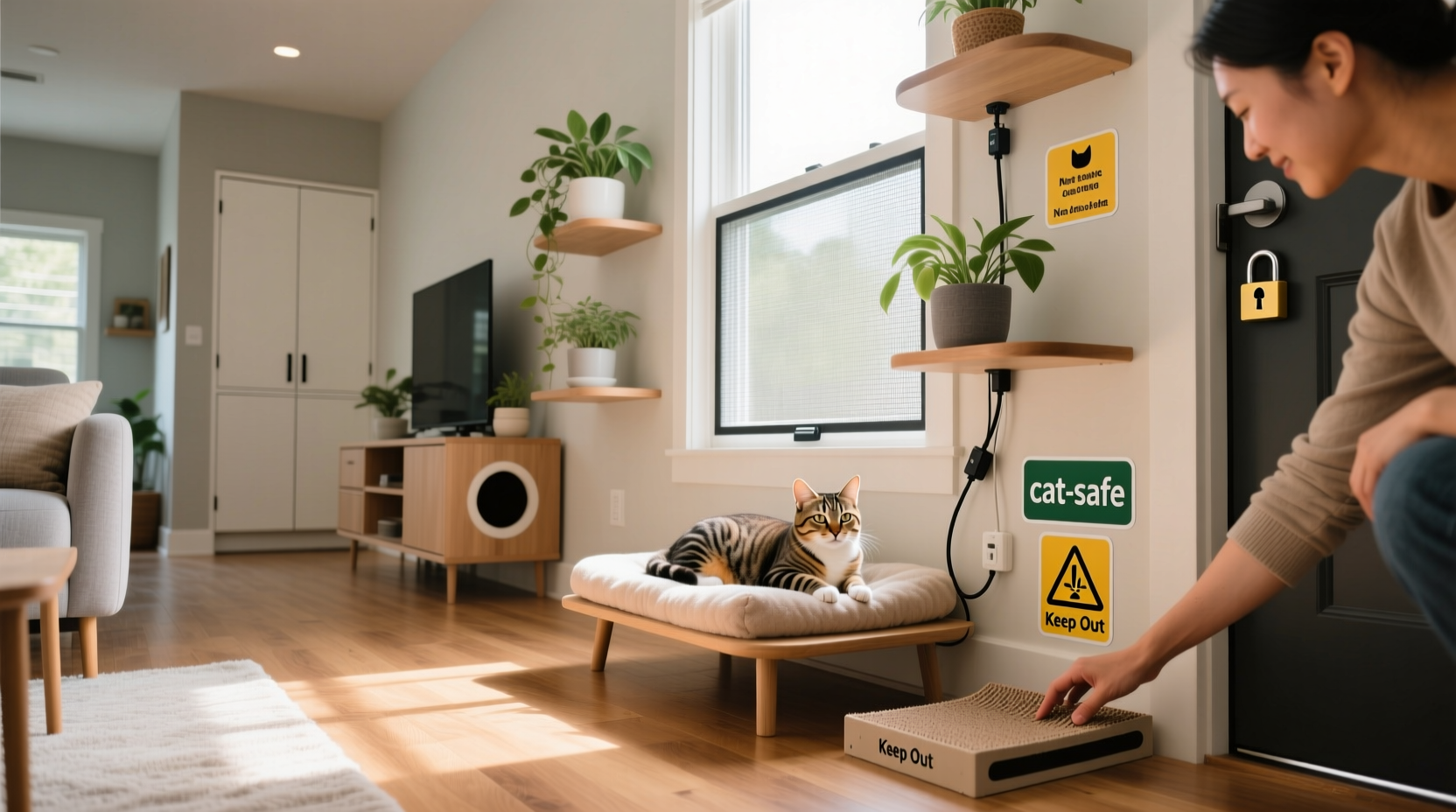
The first step in creating a cat-safe space is recognizing hidden dangers. Cats often investigate high shelves, tight spaces, and electrical areas—places where small risks can become emergencies. Common threats include exposed wires, toxic substances, and unstable furniture.
Check under sinks and in cabinets for cleaning products, antifreeze, or medications. Even small ingestions can be fatal. Secure these items in locked cabinets or use childproof latches. Also, avoid using essential oils like tea tree, eucalyptus, or citrus around cats—many are toxic when inhaled or ingested.
Furniture and Fall Risks
Cats jump and climb instinctively, but tall bookshelves or unstable dressers can topple if used as climbing structures. Anchor heavy furniture to the wall using anti-tip brackets. Keep window blinds and curtains free of accessible cords, which can entangle a cat’s neck.
“Over 70% of indoor cat injuries stem from preventable environmental hazards like falls, poisoning, or entanglement.” — Dr. Lena Patel, Feline Veterinarian & Animal Safety Advocate
Create Safe Zones and Vertical Spaces
Cats thrive in environments that allow them to observe, retreat, and explore. Providing vertical territory reduces stress and satisfies natural instincts. Install cat shelves, wall-mounted perches, or a sturdy cat tree near windows to give your cat an elevated vantage point.
Designate quiet areas where your cat can rest undisturbed—especially important in homes with children or other pets. A spare room, closet nook, or even a covered bed under a desk can serve as a secure hideaway.
| Feature | Benefit | Recommended Placement |
|---|---|---|
| Window perch | Mental stimulation from bird watching | Sunlit living room or kitchen |
| Scratching post | Claw health and territorial marking | Near entryways or lounging areas |
| Cat cave or tunnel | Security and privacy | Quiet bedroom or hallway corner |
| Hanging toys | Encourages exercise and play | Above reachable furniture |
Secure Windows, Balconies, and Exits
While fresh air is appealing, open windows without screens can lead to falls—especially in multi-story homes. Ensure all window screens are tightly secured and made of durable material. Standard insect screens may not withstand a cat’s weight.
If you have a balcony, install mesh enclosures or cat netting to prevent jumping or slipping. Never leave your cat unattended outdoors unless in a fully enclosed catio (cat patio). Even friendly neighborhood cats can provoke territorial fights or expose your pet to diseases.
Preventing Escapes
Cats bolt through open doors faster than most owners can react. To prevent escape attempts:
- Use a stopper or alarm on exterior doors.
- Train your cat to wait during comings and goings using positive reinforcement.
- Ensure your cat wears a breakaway collar with ID tags and is microchipped.
Non-Toxic Home: Plants, Cleaners, and Food
Many common houseplants are toxic to cats. Lilies, pothos, dieffenbachia, and philodendron can cause kidney failure, oral irritation, or vomiting. Replace hazardous plants with cat-safe alternatives like spider plants, catnip, or wheatgrass.
When cleaning, avoid products containing phenols, bleach, or ammonia. Opt for pet-safe cleaners labeled non-toxic. Always ventilate the area and let surfaces dry before allowing your cat back in.
Kitchen Precautions
Keep countertops clear of foods dangerous to cats: chocolate, onions, garlic, grapes, alcohol, and caffeine. Store trash in bins with secure lids—curious paws can easily knock over containers.
“Even a small piece of raw dough can expand in a cat’s stomach and cause life-threatening bloating.” — Dr. Alan Zhou, Emergency Veterinary Technician
Step-by-Step Guide to Cat Proofing Your Home
Follow this timeline to systematically secure your home in one weekend:
- Day 1 – Room-by-Room Inspection (2–3 hours)
Walk through each room on your hands and knees to see from a cat’s perspective. Note loose cords, open windows, or accessible toxins. - Day 1 – Secure Hazards (1–2 hours)
Install cord covers, anchor furniture, lock away chemicals, and remove toxic plants. - Day 2 – Enrich the Environment (2 hours)
Add scratching posts, perches, hiding spots, and interactive toys. Rotate toys weekly to maintain interest. - Ongoing – Monitor and Adapt
Observe your cat’s behavior. If they’re chewing cords despite covers, add bitter-tasting deterrent sprays. Adjust layouts based on preferences.
Real-Life Example: The Johnson Family’s Cat-Safe Apartment
The Johnsons adopted Luna, a playful 8-month-old tabby, into their third-floor apartment. Within days, she knocked over a floor lamp and chewed a charging cable. After consulting their vet, they took action: they anchored the lamp, installed cord protectors, replaced their peace lily with a spider plant, and built a wall-mounted shelf system leading to a window perch. They also added a covered litter box in a quiet hallway. Within a week, Luna stopped destructive behaviors and spent her time napping in the sun and chasing feather toys. “We thought we were ready,” said Maria Johnson, “but cat proofing made all the difference in her confidence and safety.”
Essential Cat Proofing Checklist
Use this checklist to ensure your home is fully protected:
- ✅ Cover or hide all exposed electrical cords
- ✅ Anchor tall furniture to walls
- ✅ Install secure window screens or guards
- ✅ Remove or replace toxic houseplants
- ✅ Store medications, cleaners, and chemicals out of reach
- ✅ Use breakaway collars with ID tags
- ✅ Microchip your cat and keep registration updated
- ✅ Provide multiple scratching surfaces
- ✅ Create at least one quiet retreat space
- ✅ Secure trash cans with lids
- ✅ Block access to appliances (dryers, dishwashers)
- ✅ Avoid toxic foods and secure countertops
Frequently Asked Questions
How do I stop my cat from climbing curtains?
Curtains mimic trees or climbing structures. Provide an alternative like a tall scratching post or sisal-wrapped pole nearby. You can also use double-sided tape on curtain rods to deter pawing, or close curtains when unsupervised.
Are automatic litter boxes safe for kittens?
Most are designed for adult cats and may startle young kittens with sudden movement or noise. Wait until your kitten is at least 6 months old and introduce the box gradually with supervision.
Can I use baby gates to restrict areas?
Yes, but ensure the gate is tall enough (over 30 inches) and securely mounted. Pressure-mounted gates may work for low-traffic areas, but hardware-mounted versions are safer for blocking stairs or kitchens.
Final Thoughts: A Safe Home Is a Happy Home
Cat proofing is not a one-time task but an ongoing commitment to your pet’s well-being. By understanding feline behavior and proactively addressing risks, you create a space where your cat can thrive—curiosity intact, and danger minimized. Small changes today can prevent emergencies tomorrow and deepen the bond between you and your companion.




 浙公网安备
33010002000092号
浙公网安备
33010002000092号 浙B2-20120091-4
Comments
No comments yet. Why don't you start the discussion?