
Cinnamon is one of the world’s most beloved spices—its warm, sweet aroma evokes memories of holiday baking, spiced chai, and cozy mornings. Yet beneath its familiar scent lies a complex reality often overlooked by home cooks and even seasoned chefs. Not all cinnamon is created equal. The differences between types go beyond flavor—they affect safety, shelf life, potency, and culinary performance. Understanding what’s in your spice jar isn’t just a matter of taste; it’s a question of health, authenticity, and cooking precision. For those who value both flavor and well-being, knowing the truth behind cinnamon is essential.
Definition & Overview
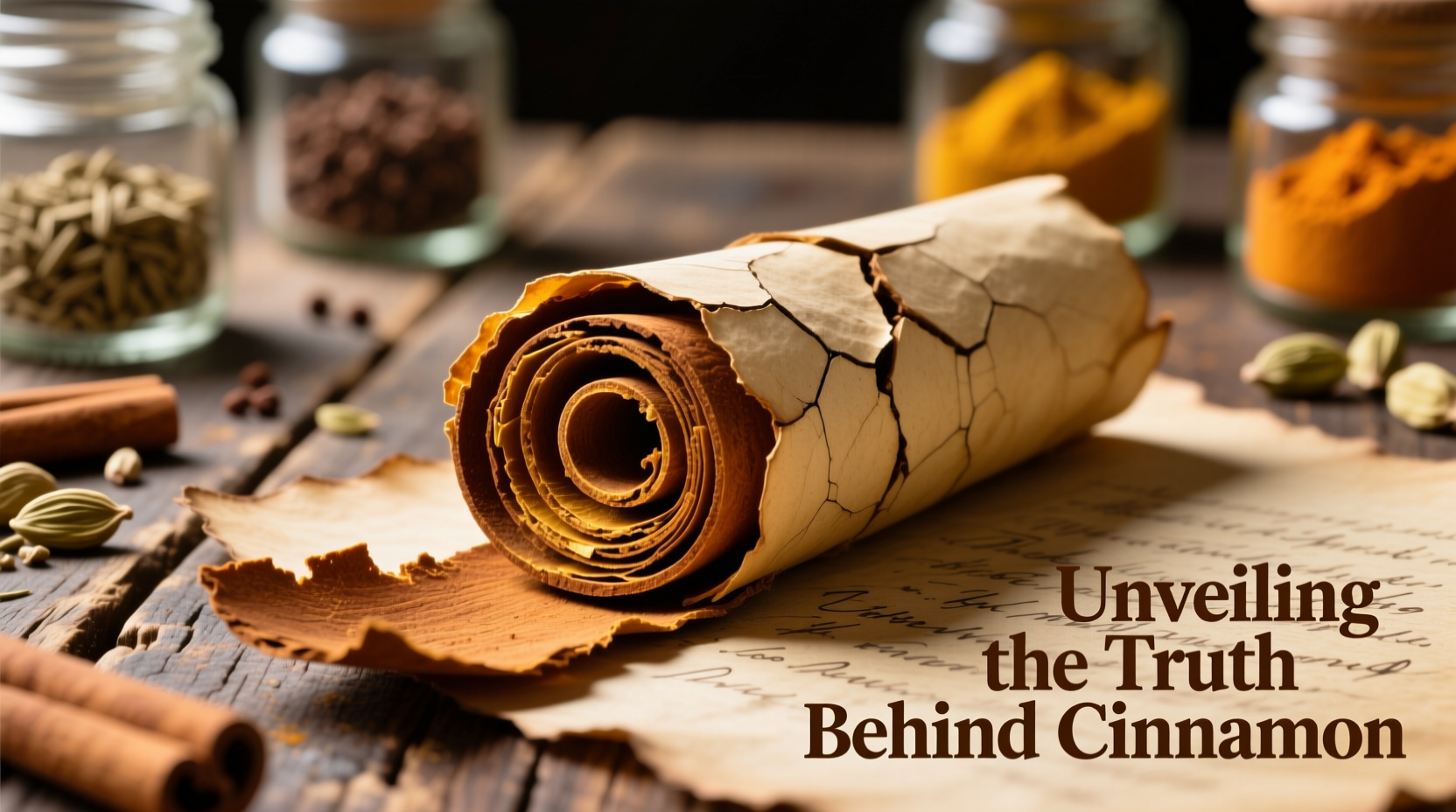
Cinnamon is a spice derived from the inner bark of several tree species within the genus Cinnamomum. When harvested, the bark curls into quills (commonly called “sticks”) as it dries, or it is ground into powder. Used for thousands of years across Asia, the Middle East, and eventually Europe, cinnamon was once more valuable than gold due to its rarity and preservative qualities.
Today, it remains a cornerstone in both sweet and savory cuisines—from Moroccan tagines to American apple pie. Its signature warmth comes from cinnamaldehyde, the primary compound responsible for its flavor, aroma, and many of its biological effects. However, not every product labeled “cinnamon” delivers the same experience. In fact, what sits on supermarket shelves may be an inferior—and potentially harmful—substitute.
Key Characteristics
The sensory and chemical profile of cinnamon varies significantly depending on the variety. Below are the core attributes that define high-quality cinnamon:
| Characteristic | Description |
|---|---|
| Flavor Profile | Sweet, warm, slightly spicy with floral or woody undertones; can range from delicate to pungent. |
| Aroma | Pronounced, balsamic sweetness with citrusy or clove-like hints. |
| Color | Light tan to reddish-brown; true cinnamon (Ceylon) is paler than cassia. |
| Form | Available as whole quills (sticks), ground powder, extract, or essential oil. |
| Heat Level | Mild warmth, not spicy-hot; builds gradually on the palate. |
| Culinary Function | Flavor enhancer, natural preservative, aromatic base in blends (e.g., garam masala, pumpkin spice). |
| Shelf Life | Ground: 6–12 months; sticks: up to 3–4 years when stored properly. |
Variants & Types
Two main categories dominate the market: **Ceylon cinnamon** (*Cinnamomum verum*) and **cassia cinnamon**, which includes Chinese, Indonesian, and Saigon varieties. Though often used interchangeably, they differ dramatically in composition and quality.
1. Ceylon Cinnamon (“True Cinnamon”)
- Origin: Sri Lanka (formerly Ceylon), southern India.
- Appearance: Thin, tightly rolled multiple layers forming soft, brittle quills; lighter brown color.
- Flavor: Delicate, subtly sweet, with citrusy notes and low bitterness.
- Coumarin Content: Very low (0.004%); safe for regular consumption.
- Best For: Baking, custards, delicate desserts, infant foods, daily use.
2. Cassia Cinnamon (Most Common in U.S. Markets)
- Types: Chinese (Cinnamomum cassia), Indonesian (C. burmannii), Vietnamese/Saigon (C. loureiroi).
- Appearance: Thick, hard single-layer quills; dark reddish-brown.
- Flavor: Strong, pungent, more aggressive heat and bitterness.
- Coumarin Content: High (up to 6.97 mg/g); potentially toxic in large doses.
- Best For: Robust dishes like stews, mulled wine, spice blends where boldness is desired.
Tip: If your ground cinnamon forms a dense lump or tastes harshly medicinal, it’s likely cassia. True Ceylon crumbles easily and smells softly floral.
Comparison with Similar Ingredients
Cinnamon is frequently confused with other warming spices or mislabeled in commercial products. Clarity matters—not only for flavor but also for health.
| Cinnamon Type | Distinguishing Features | Common Mislabeling |
|---|---|---|
| Ceylon Cinnamon | Multiple thin layers, light color, low coumarin, nuanced flavor | Often sold simply as “cinnamon” despite being rare in North America |
| Chinese Cassia | Thick, rough bark, strong burn, high coumarin | Labeled generically as “cinnamon” in supermarkets |
| Saigon Cinnamon | Highest essential oil content, intensely aromatic, very high coumarin | Marketed as premium cinnamon without warning about coumarin levels |
| Cassia vs. Cinnamon Extracts | Cassia-based extracts contain concentrated coumarin; Ceylon-based are safer | Supplements rarely specify type—assume cassia unless stated |
“In professional kitchens, we test cinnamon by smell and texture. Real Ceylon opens gently in the nose—like orange peel and honey. Cassia hits you like a wall of smoke.” — Chef Amara Leong, Culinary Instructor, International School of Spice Arts
Practical Usage: How to Use Cinnamon Effectively in Cooking
Cinnamon functions differently depending on form, dish type, and timing of addition. Mastering its use elevates everything from breakfast toast to slow-cooked curries.
Using Whole Sticks
Whole quills are ideal for infusing liquids without leaving gritty residue. Use them in:
- Mulled wines and ciders (simmer 1 stick per gallon)
- Rice pilafs and biryanis (add during boiling, remove before serving)
- Custards and poaching syrups (infuse milk or sugar syrup, then strain)
Grind only what you need using a microplane or dedicated spice grinder—pre-ground loses potency quickly.
Ground Cinnamon Applications
Best for baked goods and dry rubs. Key tips:
- Always sift ground cinnamon into dry ingredients to prevent clumping.
- Add early in spice blends to allow flavors to meld.
- In baking, combine with complementary spices: nutmeg (¼ ratio), cloves (⅛ ratio), allspice (½ ratio).
- For cakes and cookies, use ½ to 1 teaspoon per cup of flour.
Savory Pairings
Cinnamon shines beyond sweets. In Middle Eastern and South Asian cuisines, it balances richness and cuts through fat:
- Add a small piece to lamb tagine with apricots and almonds.
- Include in Persian rice dishes like *adasi polo* (lentil rice).
- Blend into chili powders or mole sauces for depth.
- Pair with cumin and coriander in meat marinades.
Pro Tip: Bloom ground cinnamon in hot oil or butter for 10–15 seconds before adding liquids. This enhances solubility and intensifies flavor dispersion in sauces and soups.
Health Implications: The Coumarin Factor
The most critical—but least discussed—aspect of cinnamon is **coumarin**, a naturally occurring compound found in high concentrations in cassia varieties. While harmless in tiny amounts, chronic intake can lead to liver damage.
The European Food Safety Authority (EFSA) sets the tolerable daily intake (TDI) at **0.1 mg of coumarin per kilogram of body weight**. For a 60 kg (132 lb) person, that’s 6 mg per day.
Consider this comparison:
| Type | Coumarin (mg per gram) | Max Safe Daily Amount |
|---|---|---|
| Ceylon Cinnamon | 0.004 – 0.03 | ~20 grams (safe for regular use) |
| Chinese Cassia | 2.5 – 6.0 | 1–2 grams (~½ tsp) |
| Saigon Cinnamon | 6.0 – 12.0 | Less than 1 gram (~¼ tsp) |
This means that consuming two teaspoons of ground cassia cinnamon could exceed safe limits—especially concerning for individuals using cinnamon supplements, smoothies, or keto “cinnamon roll” recipes that call for tablespoons at a time.
Ceylon cinnamon, in contrast, allows for generous use without risk. It’s the preferred choice for children, pregnant women, and those with liver conditions.
Substitutions & Alternatives
If you’re avoiding cassia due to coumarin concerns or seeking similar warmth, consider these alternatives:
- Allspice: Clove-cinnamon-nutmeg trifecta; use ¾ amount.
- Nutmeg: Sweeter, earthier; pair with vanilla in desserts.
- Cardamom: Citrus-floral lift; excellent in coffee or rice pudding.
- Cinnamon Extract (Ceylon-based): Alcohol-soluble flavor without fiber or coumarin; use ½ tsp = 1 tsp ground.
Note: There is no perfect substitute for the layered complexity of real Ceylon cinnamon. When authenticity matters, seek the source.
Storage, Shelf Life & Quality Testing
Cinnamon degrades over time, losing volatile oils and developing off-flavors. Proper storage extends usability and preserves health benefits.
Best Storage Practices
- Keep in airtight glass containers away from heat, light, and moisture.
- Store whole sticks longer than ground—up to 4 years vs. 1 year.
- Never store above the stove or near dishwasher vents.
Testing Freshness
Before using old stock, perform a simple test:
- Smell deeply: Fresh cinnamon should burst with sweetness and warmth.
- Pinch a bit: Rub between fingers. Oily residue indicates retained essential oils.
- Taste: Should be vibrant, not flat or dusty.
If dull, replace it. Stale cinnamon contributes little beyond bulk.
Practical Tips & FAQs
Q: Is the cinnamon I buy at the grocery store safe?
A: Most mass-market brands (e.g., McCormick, Great Value) sell cassia labeled simply as “cinnamon.” It’s safe in small amounts (less than ½ tsp daily), but not suitable for long-term, high-volume use.
Q: Can I use cinnamon for blood sugar control?
A: Some studies suggest cassia may improve insulin sensitivity due to cinnamaldehyde. However, the coumarin content negates long-term benefit. For therapeutic use, consult a healthcare provider and opt for standardized Ceylon extracts if advised.
Q: Why does my homemade pumpkin spice taste bitter?
A: Likely cause: using too much cassia cinnamon. Reduce by 25% and add extra nutmeg or ginger for balance. Alternatively, switch to Ceylon for smoother integration.
Q: Where can I buy real Ceylon cinnamon?
A: Look for labels specifying *Cinnamomum verum*, “true cinnamon,” or “Ceylon.” Reputable sources include:
- Penzeys Spices
- Simply Organic
- Frontier Co-op
- Specialty importers like The Spice House or Mountain Rose Herbs
In Latin markets, it may be labeled “canela fina” (fine cinnamon) versus “canela gruesa” (thick cassia).
Q: Can I grow my own cinnamon?
A: Yes—if you live in USDA Zones 9–11 or can maintain a tropical greenhouse. *Cinnamomum verum* grows slowly, reaching 30 feet. Harvest bark after 2–3 years; prune annually to encourage new shoots.
Case Study: A Baker’s Wake-Up Call
Jessica R., a home baker from Portland, began experiencing fatigue and elevated liver enzymes after launching a successful cottage business selling “superfood” cinnamon rolls. Each roll contained 2+ teaspoons of ground cinnamon. After investigation, her doctor traced the issue to chronic coumarin exposure from cassia. Switching to Ceylon cinnamon resolved symptoms within weeks. Now, she educates customers about ingredient sourcing—proving that even natural foods require scrutiny.
Summary & Key Takeaways
Cinnamon is far more than a pantry staple—it’s a decision point between flavor excellence and hidden risk. The truths revealed here are not meant to alarm but to empower informed choices.
- Not all cinnamon is the same: Ceylon and cassia differ chemically, sensorially, and medically.
- Coumarin is a real concern: Regular consumption of cassia can harm the liver over time.
- Label reading is crucial: “Cinnamon” on a package usually means cassia unless specified otherwise.
- Ceylon is superior for daily use: Safer, more refined, and increasingly available.
- Freshness affects performance: Test and store properly to maximize impact.
- Bloom and layer spices: Technique transforms ordinary dishes into aromatic experiences.
Next time you reach for that familiar jar, pause and check the label. Upgrade to Ceylon where possible, measure cassia with caution, and savor the true essence of this ancient spice—safely and skillfully.




 浙公网安备
33010002000092号
浙公网安备
33010002000092号 浙B2-20120091-4
Comments
No comments yet. Why don't you start the discussion?