
Waking up with a spinning sensation, lightheadedness, or unsteadiness is more than just an unpleasant start to the day—it can be a sign of underlying health issues. While occasional dizziness may not be cause for alarm, frequent or severe episodes upon waking warrant attention. Understanding the root causes and knowing how to respond can make a significant difference in your daily well-being.
Why Morning Dizziness Occurs
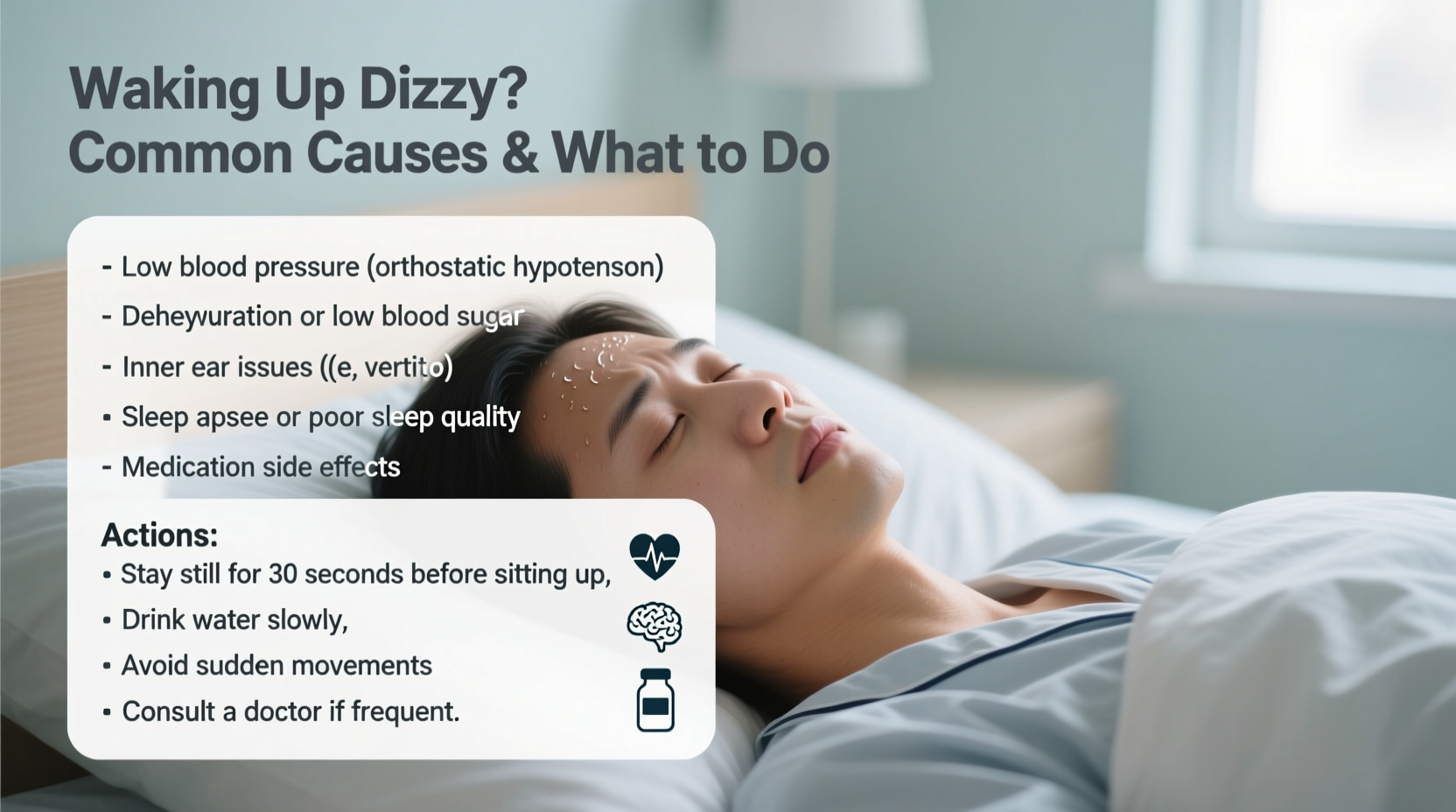
Dizziness upon waking often stems from changes in blood pressure, inner ear function, or brain signals during sleep-to-wake transitions. The body undergoes several physiological shifts overnight, including fluctuations in heart rate, breathing, and fluid distribution. When these systems don’t adjust smoothly upon rising, dizziness can result.
The vestibular system in the inner ear plays a critical role in balance. Any disruption—whether from fluid buildup, nerve signaling delays, or positional changes—can trigger vertigo or imbalance first thing in the morning. Similarly, cardiovascular responses such as low blood pressure after lying flat all night may reduce blood flow to the brain temporarily, leading to lightheadedness.
Common Causes of Morning Dizziness
Several medical and lifestyle factors contribute to waking up dizzy. Identifying which applies to you is the first step toward relief.
1. Benign Paroxysmal Positional Vertigo (BPPV)
BPPV is one of the most frequent causes of morning vertigo. Tiny calcium crystals in the inner ear become dislodged and move into canals that detect motion. When you change head position—like rolling over in bed or sitting up—the brain receives false signals about movement, creating a spinning sensation.
2. Orthostatic Hypotension
This condition refers to a sudden drop in blood pressure when transitioning from lying down to standing. It’s especially common in older adults or those on certain medications like diuretics or antidepressants. Symptoms include dizziness, blurred vision, or even fainting within seconds of standing.
3. Dehydration
Even mild dehydration overnight—due to dry air, alcohol consumption, or insufficient fluid intake—can affect blood volume and electrolyte balance, contributing to morning lightheadedness.
4. Sleep Apnea
Interrupted breathing during sleep reduces oxygen levels and stresses the cardiovascular system. People with untreated sleep apnea often wake up feeling groggy, with headaches and dizziness due to poor oxygenation.
5. Inner Ear Infections or Labyrinthitis
Inflammation of the inner ear disrupts balance and hearing. Often following a cold or flu, labyrinthitis can cause prolonged dizziness, nausea, and difficulty focusing, particularly noticeable upon waking.
6. Medication Side Effects
Some drugs, including sedatives, antihypertensives, and anti-anxiety medications, can impair balance mechanisms or lower blood pressure excessively, increasing the risk of dizziness when getting up.
“Morning dizziness should never be dismissed as normal aging. Persistent symptoms require evaluation to rule out treatable conditions.” — Dr. Lena Patel, Neurotologist
What You Can Do: Immediate Steps and Prevention
While some causes require medical treatment, many cases of morning dizziness can be managed through simple behavioral adjustments.
Step-by-Step Guide to Reduce Morning Dizziness
- Stay still for 30 seconds after opening your eyes. Let your body adjust before moving.
- Roll onto your side slowly, then use your arms to push yourself into a seated position.
- Sit on the edge of the bed for 1–2 minutes before attempting to stand.
- Hydrate immediately with a glass of water to boost circulation.
- Avoid caffeine and alcohol before bedtime, as they can dehydrate and disrupt sleep cycles.
Checklist: Daily Habits to Prevent Dizziness
- ✅ Elevate the head of your bed slightly (6–8 inches)
- ✅ Stay hydrated throughout the day
- ✅ Limit salt and alcohol intake
- ✅ Perform balance exercises (e.g., tai chi or vestibular rehab)
- ✅ Review medications with your doctor regularly
- ✅ Use a humidifier at night to prevent dry air exposure
When to See a Doctor
Not all dizziness requires emergency care, but certain red flags indicate the need for prompt medical evaluation:
| Symptom | May Indicate | Action |
|---|---|---|
| Dizziness with chest pain or shortness of breath | Heart issue | Seek emergency care |
| Frequent falls or loss of consciousness | Neurological or cardiac disorder | Schedule neurology/cardiology visit |
| Double vision, slurred speech, numbness | Possible stroke | Call emergency services immediately |
| Dizziness lasting more than a few hours | Vestibular dysfunction | Consult ENT or neurologist |
If dizziness occurs more than twice a week or interferes with daily activities, it’s time to consult a healthcare provider. Diagnostic tools such as hearing tests, MRI scans, or tilt-table testing may be used to pinpoint the cause.
Real-Life Example: Managing BPPV at Home
James, a 58-year-old teacher, began experiencing intense spinning sensations every morning when he rolled out of bed. At first, he assumed it was stress-related fatigue. After nearly falling one morning, he consulted his doctor, who diagnosed him with BPPV. The physician demonstrated the Epley maneuver—a series of guided head movements designed to reposition inner ear crystals.
James practiced the maneuver daily for two weeks under supervision, then at home. Within three weeks, his morning dizziness resolved completely. He now avoids sleeping on the affected side and performs gentle neck stretches each morning as a preventive measure.
Frequently Asked Questions
Can anxiety cause dizziness when I wake up?
Yes. Anxiety and panic disorders can trigger dizziness, especially upon waking, due to increased muscle tension, rapid breathing, or hypervigilance. However, it’s important to rule out physical causes first.
Is it normal to feel dizzy after changing sleep positions?
Occasional brief dizziness when turning in bed may be harmless. But if the sensation lasts more than 30 seconds or happens frequently, it could indicate BPPV or another vestibular condition.
Can low blood sugar cause morning dizziness?
Yes. Skipping dinner or having diabetes can lead to nocturnal hypoglycemia, causing dizziness, sweating, or confusion upon waking. Eating a balanced snack before bed may help stabilize glucose levels.
Conclusion: Take Control of Your Mornings
Waking up dizzy doesn’t have to become a routine part of your life. With awareness and proactive habits, most causes are manageable—and many are entirely preventable. Whether it’s adjusting how you get out of bed, staying hydrated, or seeking professional diagnosis, small changes can restore stability and confidence each morning.




 浙公网安备
33010002000092号
浙公网安备
33010002000092号 浙B2-20120091-4
Comments
No comments yet. Why don't you start the discussion?